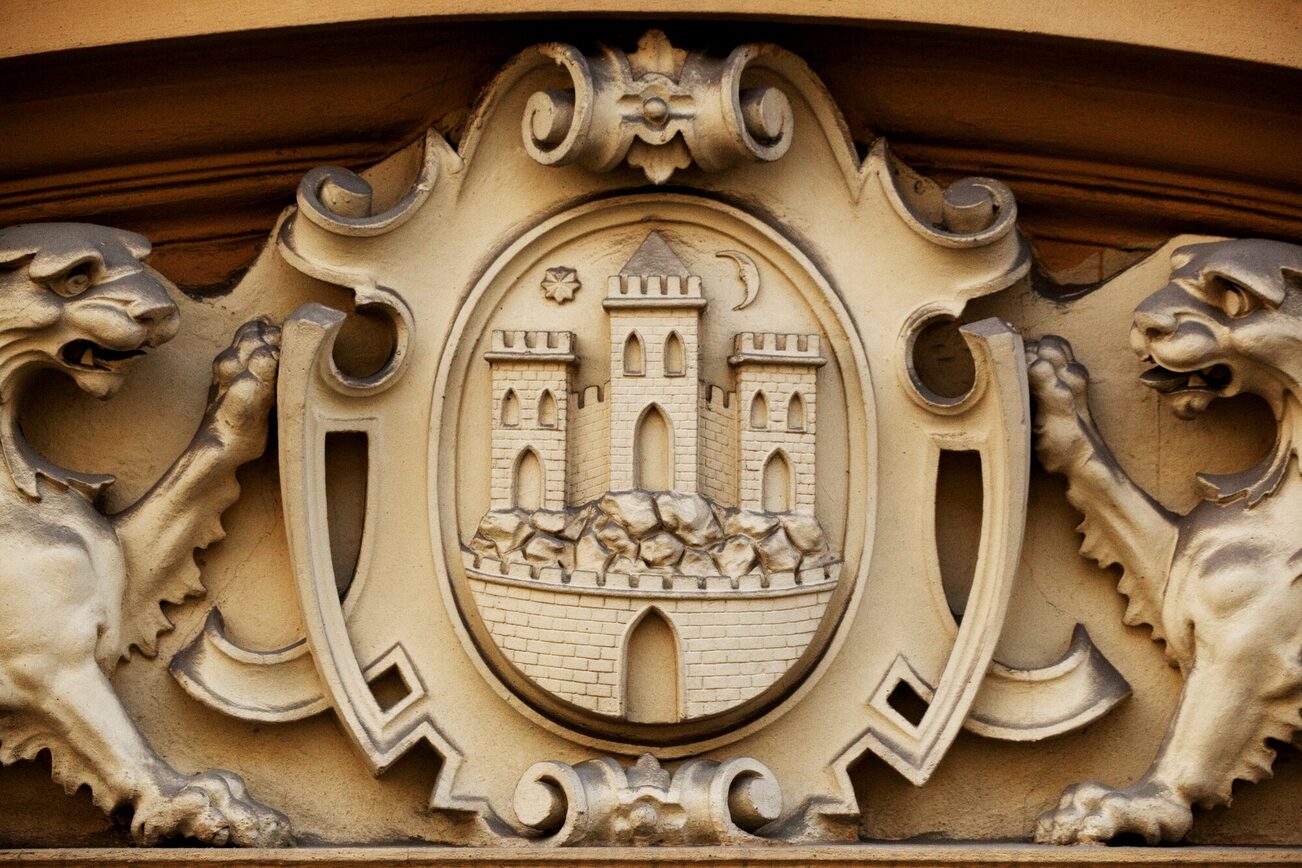
Zagreb

Brief information
The capital of Croatia is located in the charming landscape of the Sava plain at the foot of the Medvednica mountains. With over 800,000 inhabitants, Zagreb has been considered one of the youngest metropolises in the world since 1992.
History
The area where Zagreb stands today has been settled since the 9th century. The name Zagreb was first mentioned in writing when the diocese was founded around 900 years ago. Around 1242, the city received the Bulla Aurea (Golden Bull) and, at the same time, the rights and duties of a free royal city.
At that time, the name Zagreb referred to the bishop's seat (later Kaptol). On the neighboring hill was the fortified parish town of Gradec, later Gric, today's Upper Town. The market town of Gradec and the priestly Kaptol were irreconcilable enemies for a long time.
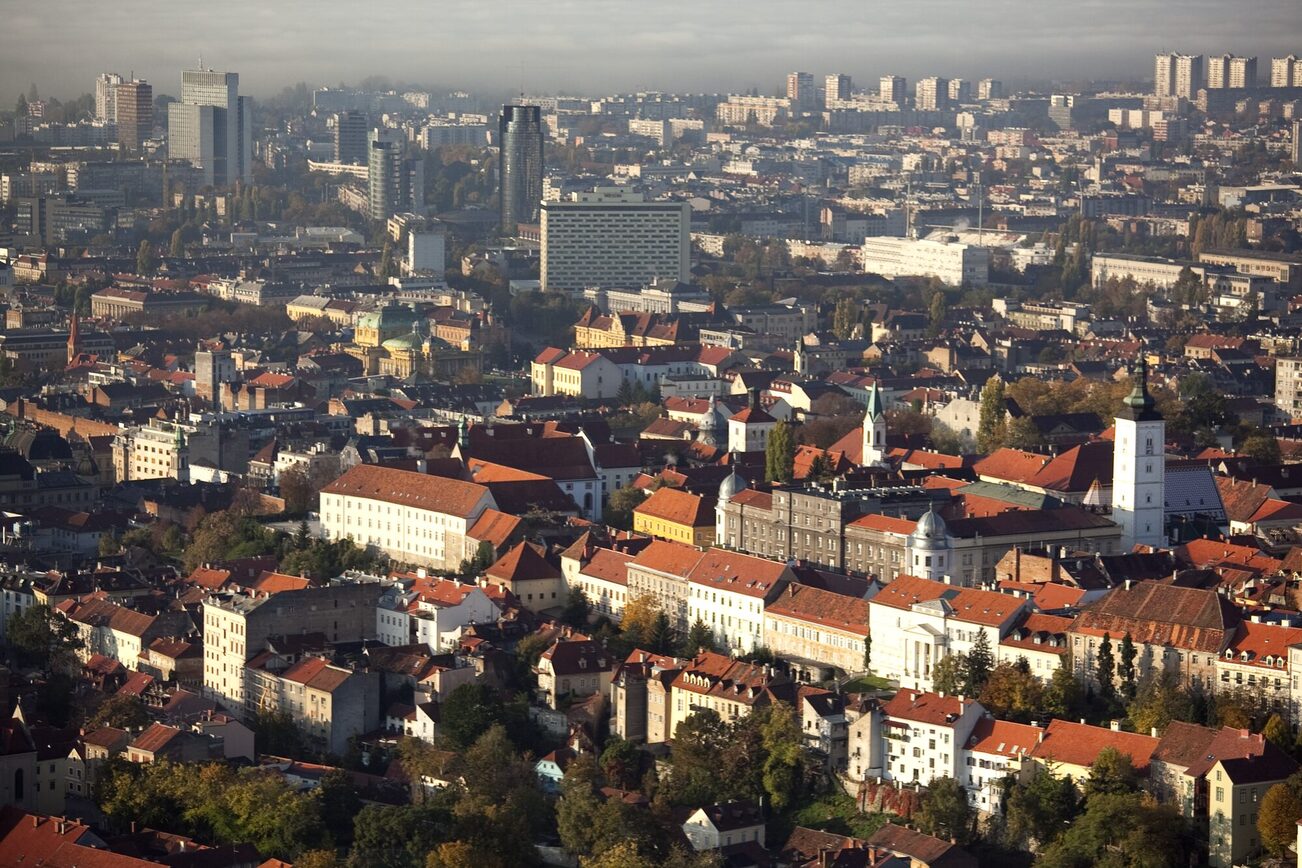
Finally, in the 16th century, the two merged to form one city: Zagreb. In 1527, Zagreb became part of the House of Austria. During the Turkish Wars, the city suffered frequent fires and extensive destruction. In 1718, Zagreb became the capital of the Kingdom of Croatia and experienced an economic boom in the following period.
From 1945/46 onwards, Zagreb was the capital of the Yugoslav republic of Croatia until the ethnic conflict in the former Yugoslavia escalated and the country fell apart. On May 30, 1990, the Democratic Republic of Croatia was proclaimed in Zagreb and recognized by the EU under international law in January 1992.
Places of interest
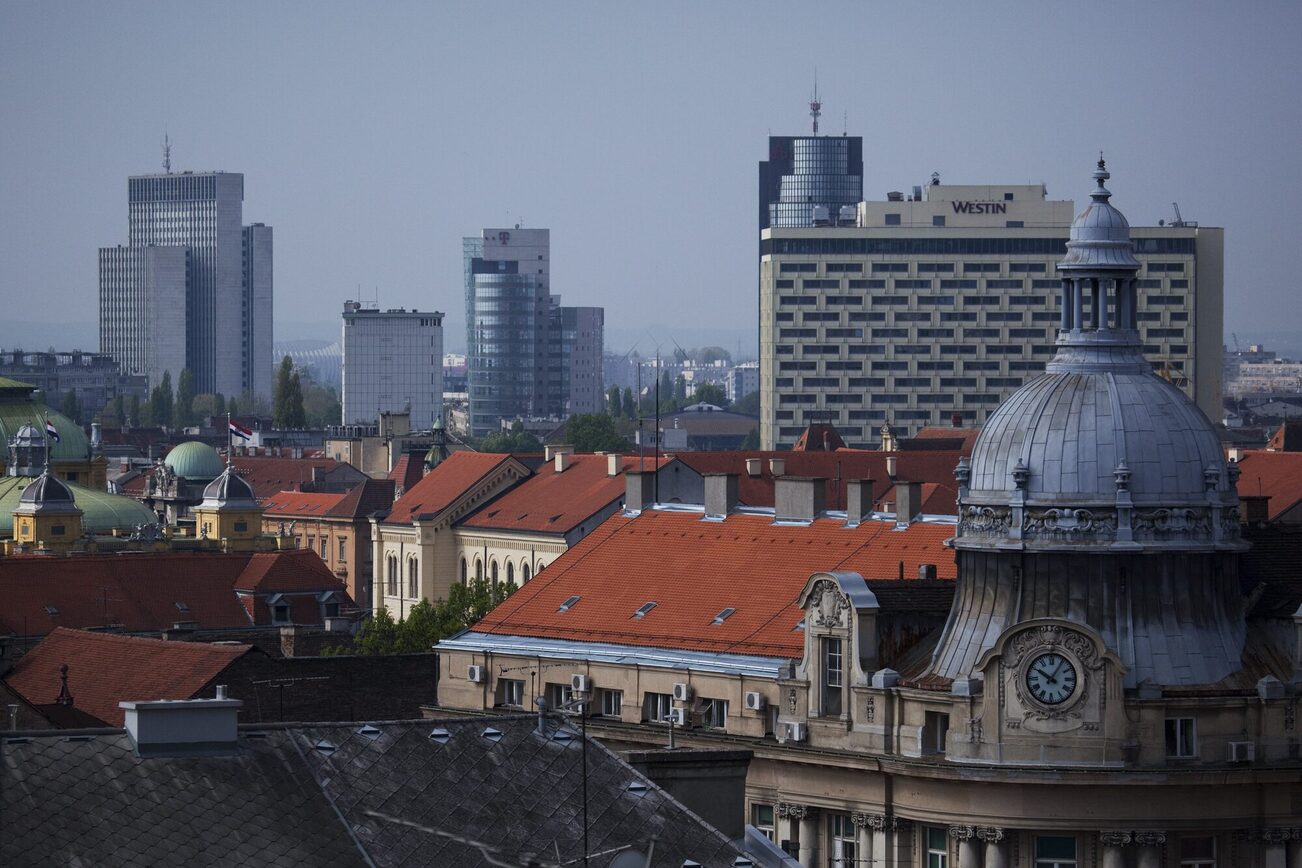
The landmark of Zagreb is St. Mary's and St. Stephen's Cathedral. Its two neo-Gothic bell towers dominate the city skyline. Another attraction is St. Mark's Church, which was built in Gothic style on Romanesque foundations. The colorful roof of the church is beautiful. The different colored roof tiles form a mosaic depicting the coats of arms of Croatia, Dalmatia, Slavonia, and the city of Zagreb.
Not only visiting these historical monuments makes a walk through the city an experience, but also the shopping streets and various squares. All traffic and business routes lead through Ban Josip Jelacic Square. Formerly an open slaughterhouse, then a market, today it is characterized by a mixture of architectural styles: classicism, recession, and modernism. Petar Preradovic Square is particularly popular, not only with tourists. The people of Zagreb call it the "flower square" because you can buy flowers here from morning to night.
Universities and schools
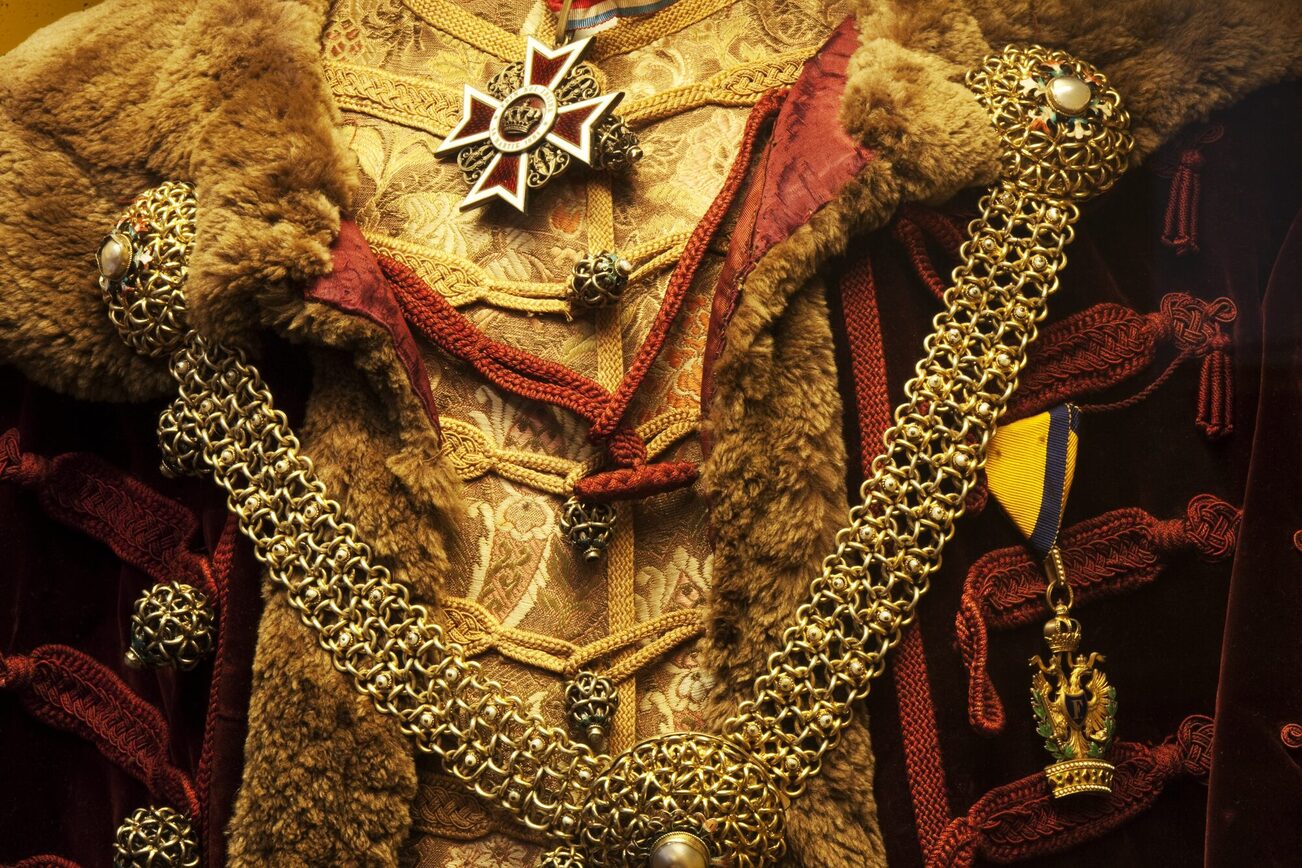
On September 23, 1669, Zagreb became a university city and today has 48 colleges, higher education institutions, and faculties. A key scientific institution is the Ruder Boskovic Institute, founded in 1950, with 50 laboratories for nuclear analysis, laser and atomic research. Zagreb is also home to the Institute for Ship Hydrodynamics, the Geophysical Institute with its observatory, the large SRCE data processing center, and numerous other scientific institutions.
Economy
The city of Zagreb experienced its economic and cultural boom in the 19th century, when communication and transport routes were facilitated by the introduction of railways in 1862. At that time, several industrial companies were already operating, providing the city with a gas and water supply system and introducing the tram in 1891, which was still horse-drawn at the time.
Today, despite its administrative function, Zagreb is primarily an industrial city. The metal industry is the leading sector, particularly in the manufacture of machine tools, steam boilers, railway equipment, and in the preservation of fruit and vegetables. Other important industries include textiles and clothing, electrical goods, and food processing, such as meat processing, edible oil production, and biscuit manufacturing. The paper and chemical industries are also significant, and there are modest oil and gas reserves in the surrounding area.
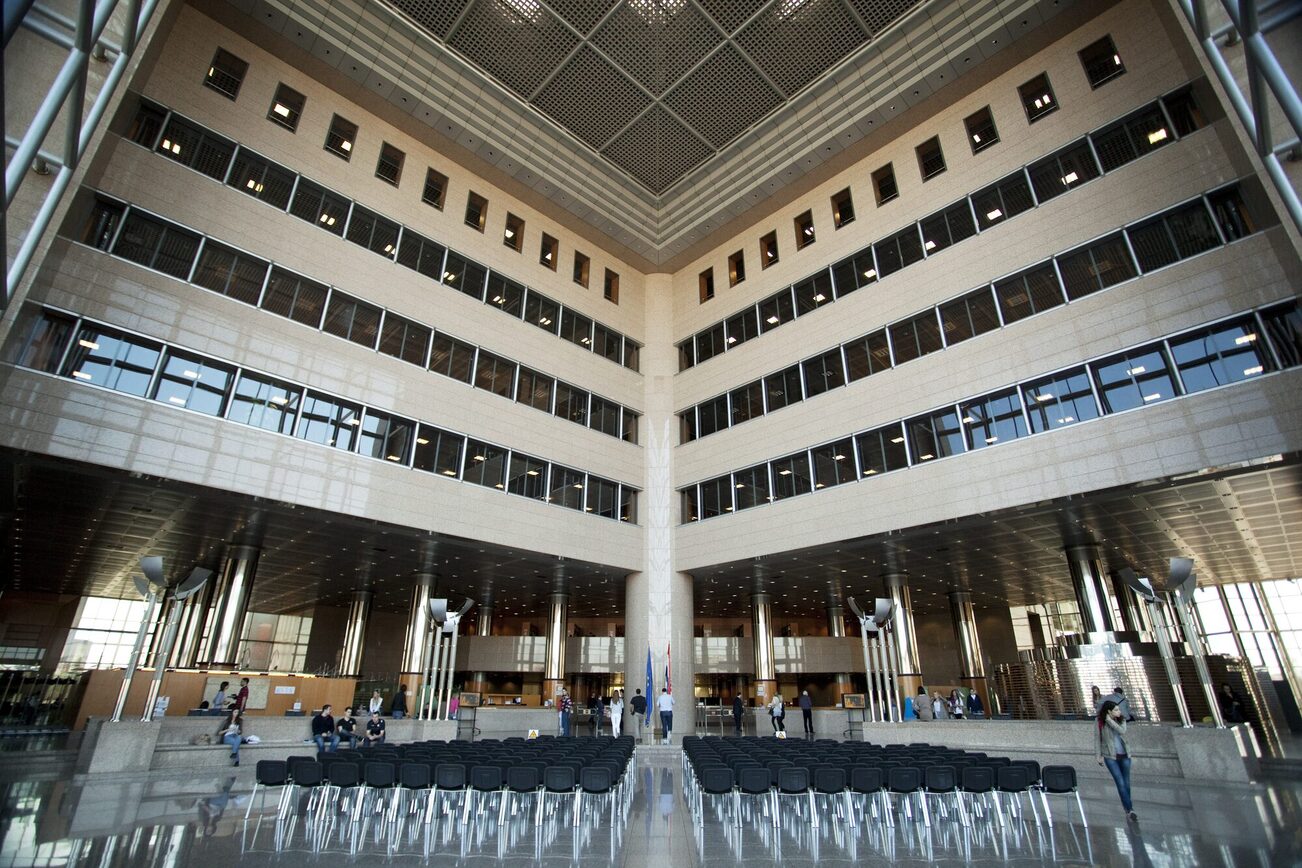
Over the course of its 900-year history, Zagreb has developed into an open trading and trade fair city. The Zagreb Trade Fair in the new town covers an area of 500,000 square meters. The latest achievements are presented in 40 large halls and numerous small pavilions.
Recreation and leisure
Zagreb is a city of top athletes from all disciplines, from handball to table tennis. In 1987, it hosted the Universiade, which saw the largest number of countries and athletes participate in the history of the student games.
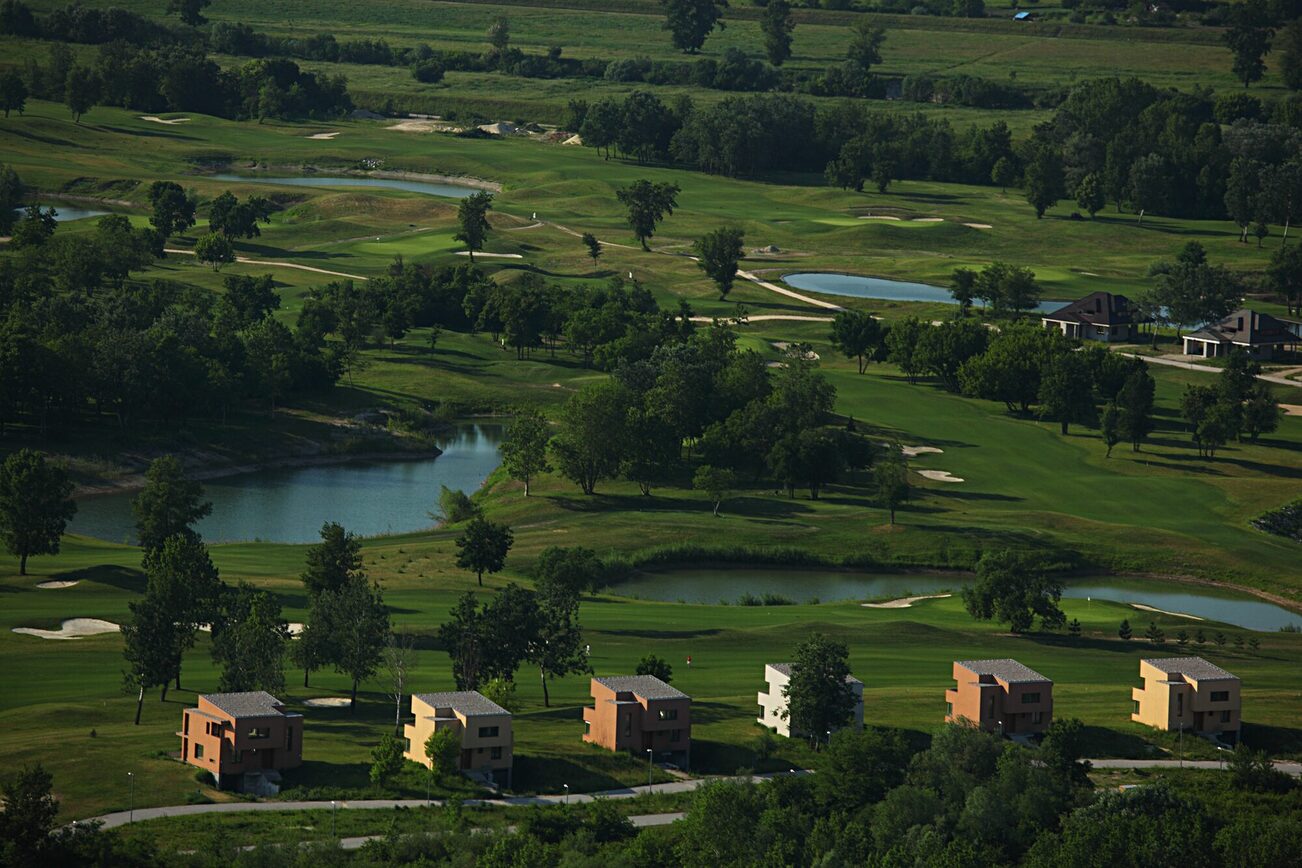
Zagreb also offers many recreational opportunities. Its numerous well-maintained green spaces are ideal for joggers and walkers. The area surrounding Zagreb is rich in hunting grounds. Anglers can pursue their hobby on many rivers, lakes, and ponds in the immediate vicinity of the city. Swimmers will feel particularly at home in the "Mladost" sports park, which is located on the Sava river dam and has several swimming pools. There are also eleven thermal baths and health resorts in the Zagreb area.
Other sports and recreation centers, such as "Salata" and "Maksimir," offer facilities for tennis, table tennis, mini soccer, bocce, volleyball, handball, and basketball. There are also bowling alleys and an ice rink. Horse lovers will enjoy the Zagreb Hippodrome, which has around eighty horses.
Events and culture
Life in Zagreb pulsates around the clock. Theaters and concert halls, discos, nightclubs, and casinos guarantee a varied stay. Throughout the year, current, traditional, and international events take place. May alone is filled with the Zagreb Philharmonic Festival and the "Flora Art" flower exhibition. In June, there are numerous events and international performances, from the classic car rally to the avant-garde theater festival.
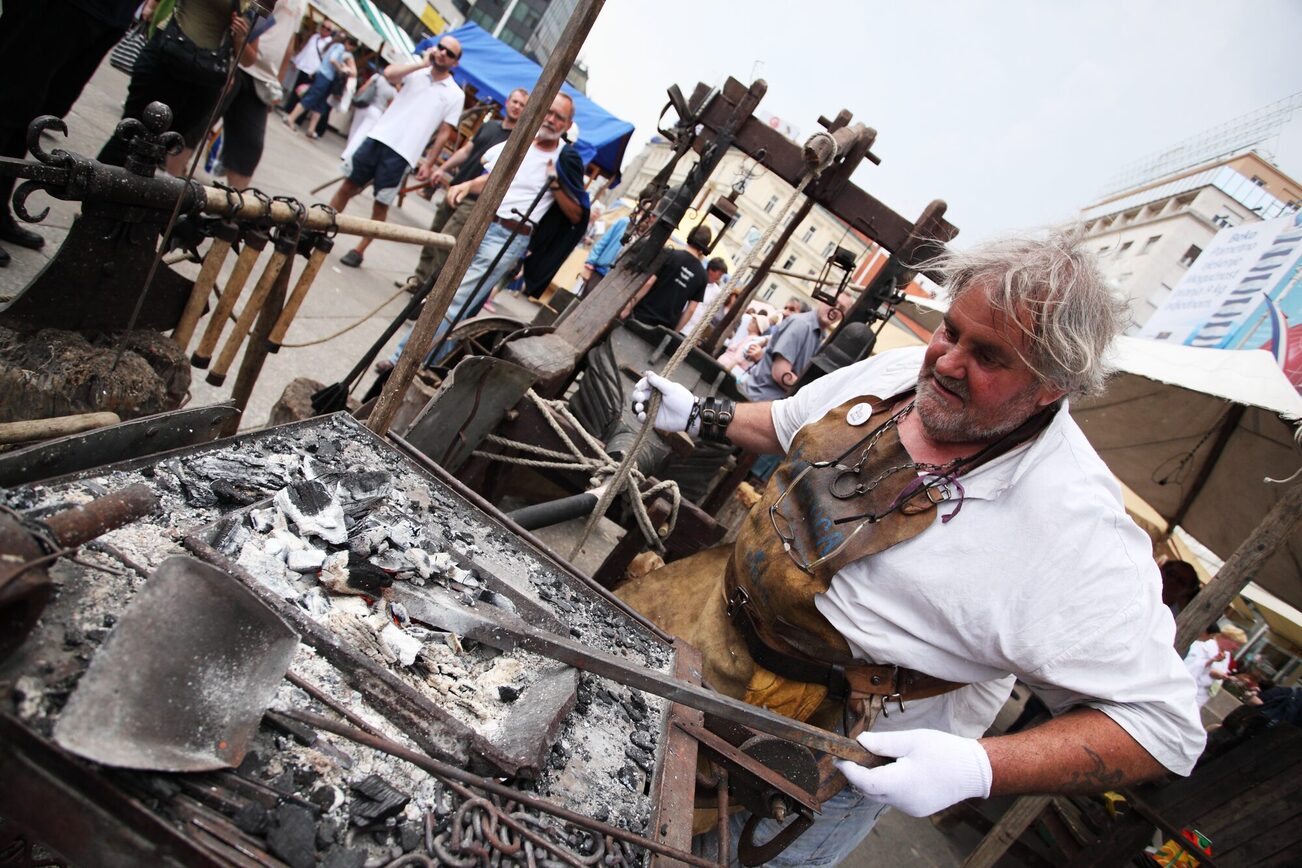
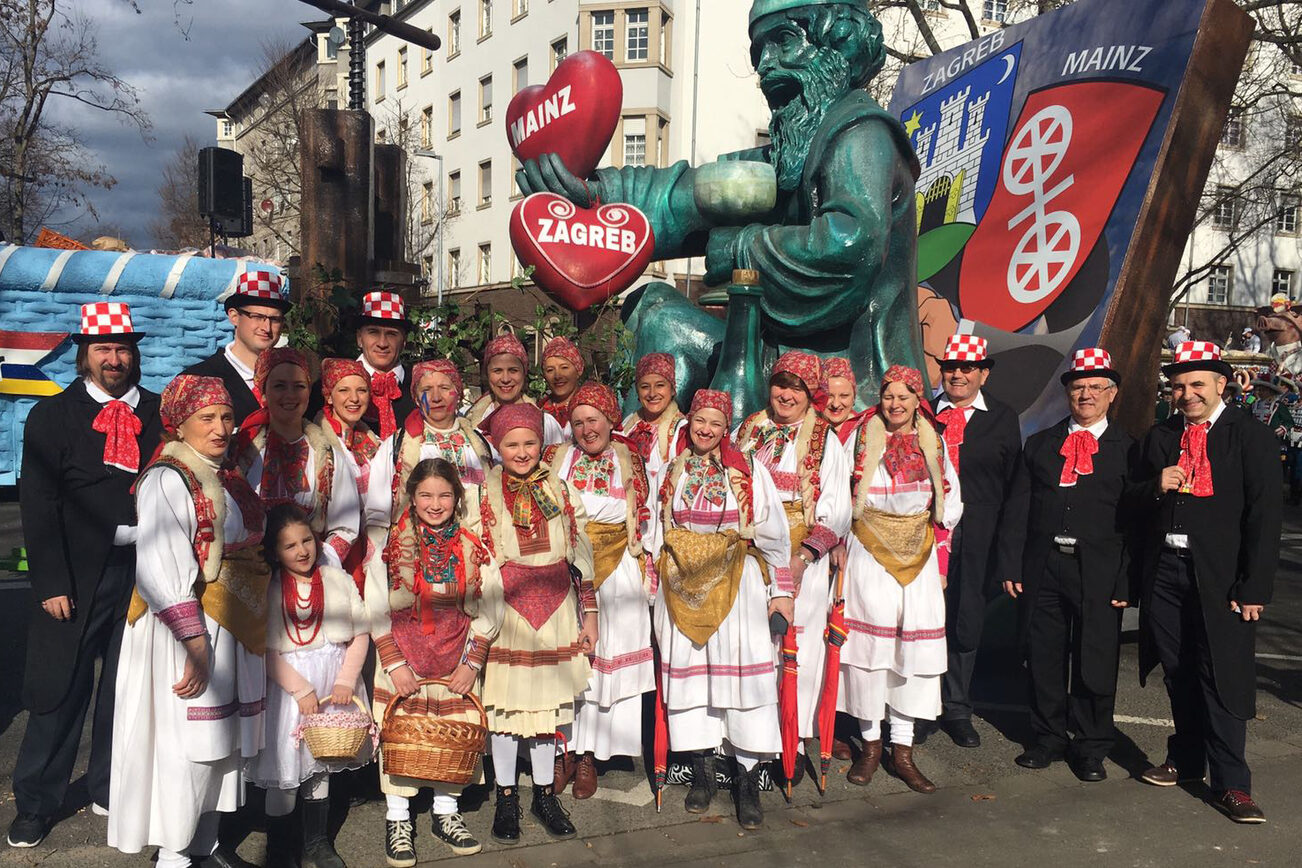
A special attraction for many tourists is the International Folklore Festival, which takes place in the last days of July and brings together folklore groups from all over the world. The Puppet Theater Festival and the Zagreb International Fair attract visitors in the fall.
Specialties
Gourmets will undoubtedly find something to their taste among the many national dishes from the Zagreb area. The city's openness to diverse influences is the reason why there is literally no such thing as a genuine Zagreb specialty. From the rich selection of Croatian dishes, strukli, a type of boiled cheese dumpling, is highly recommended.
Other delicacies include turkey with plinsen (pancakes), kotlovina (meat specialties prepared in a cauldron), homemade bratwurst, and the delights of Mediterranean cuisine. The sea is close by, and fish caught in the early hours of the morning is already being served for lunch in Zagreb's fish restaurants – accompanied by the inevitable glass of spritzer or gemist.

Development of the town twinning
The first contacts between Mainz and Zagreb were established in 1967, when a Croatian delegation led by the political administrator of Zagreb, Pero Pirker, discussed the possibilities of closer contact between Mainz and Zagreb with Mayor Jockel Fuchs. This was followed in October 1967 by a trip to Zagreb by a delegation from Mainz.
Right from the start, the emerging relations also had an economic aspect. Relations with Zagreb are extremely diverse. For example, numerous companies from Mainz and the surrounding area regularly exhibit their products at the large Zagreb Autumn Fair.
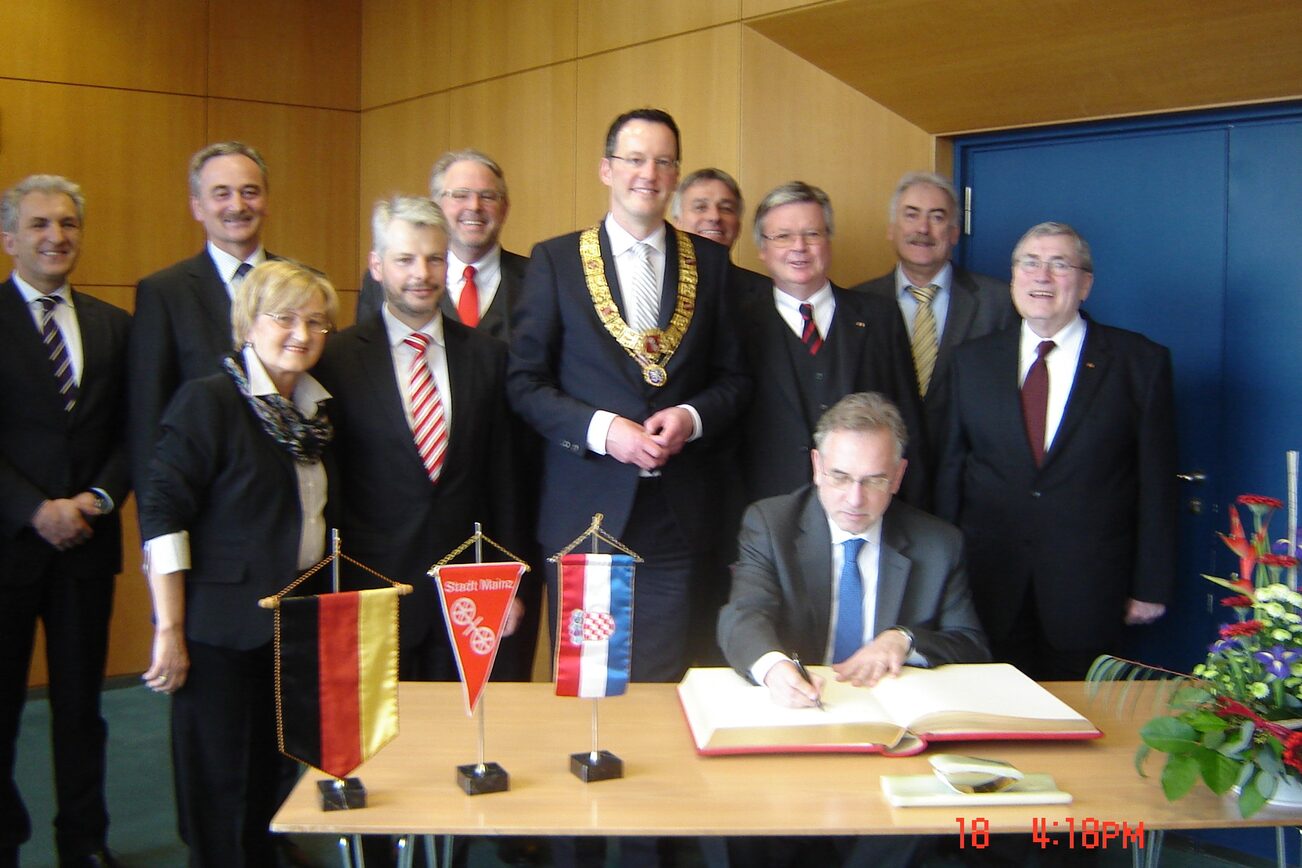
Interesting contacts have also developed in the cultural sector in recent years. The results of the meetings between representatives from Zagreb and Mainz to date have made it clear that town twinning also contributes to understanding when the political paths differ. The value of the partnership has been repeatedly demonstrated, particularly in recent times. As Zagreb was also affected by the armed conflicts in the former Yugoslavia, the citizens of the city were supported by aid transports from Mainz.