Jump to content
_imageLink.sp_imageText.trim
Gutenberg Museum Mainz

Press history collection

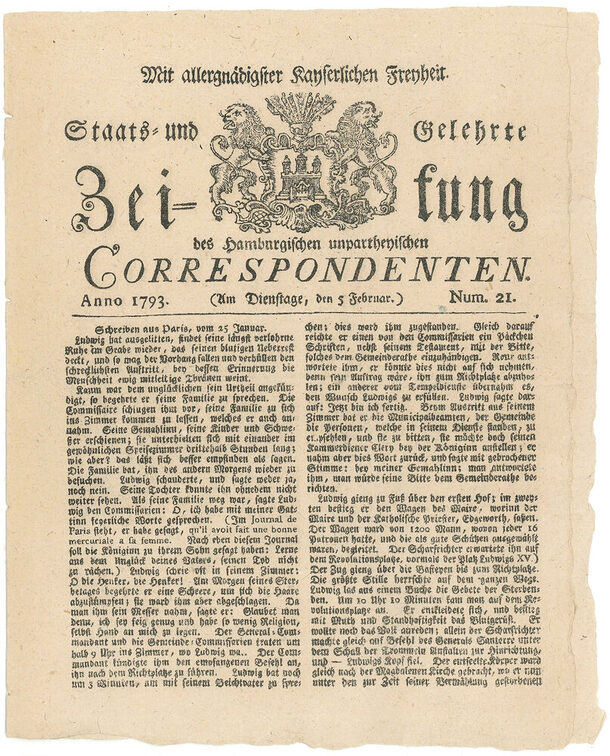
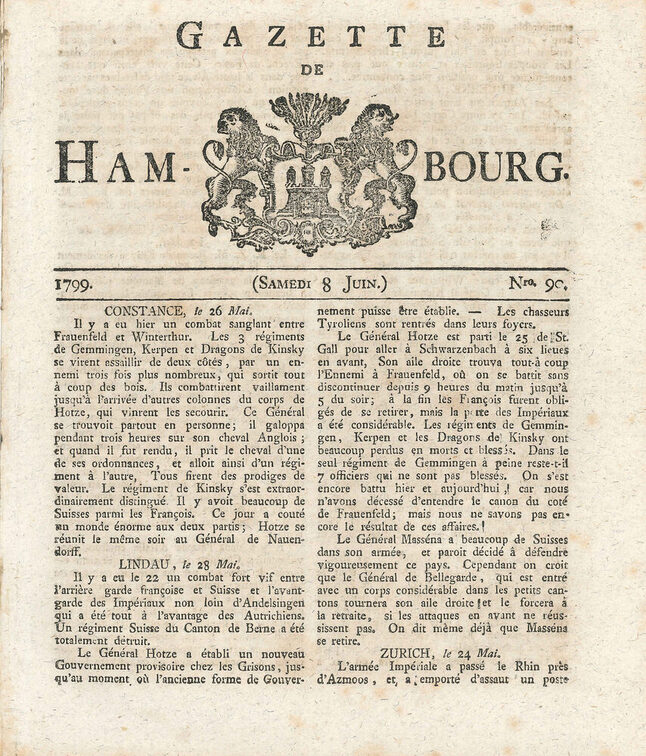
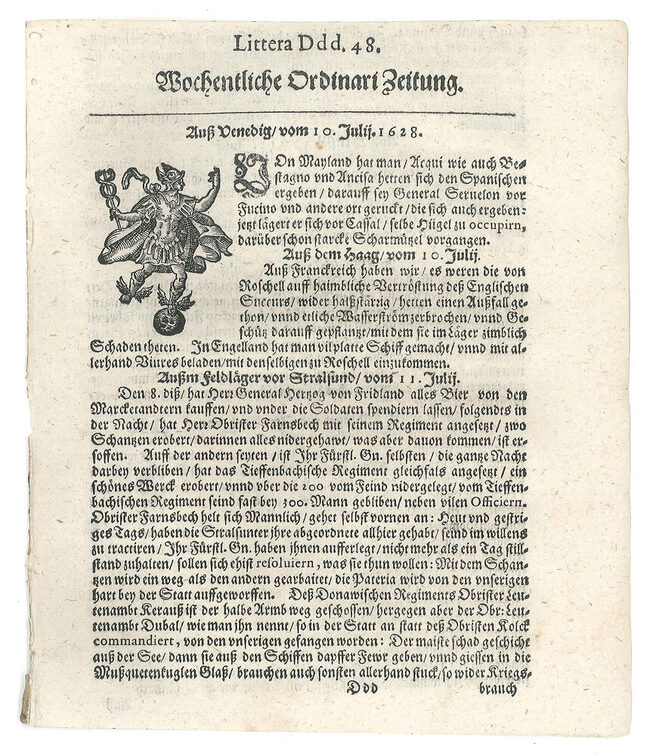
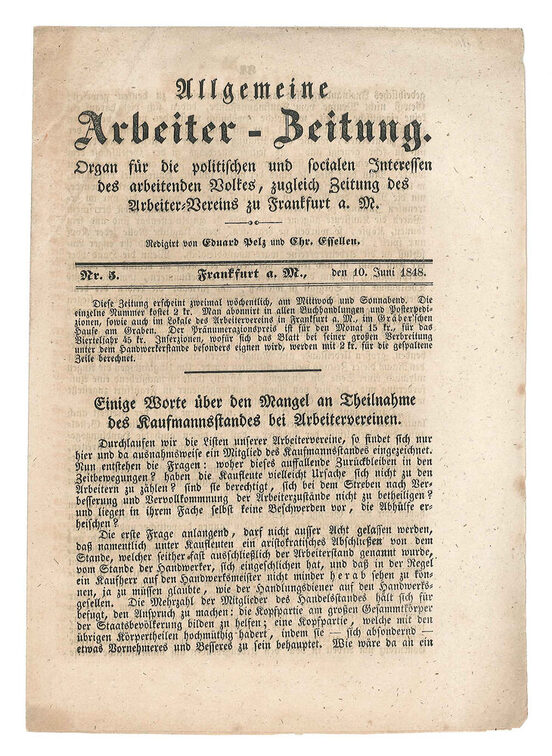
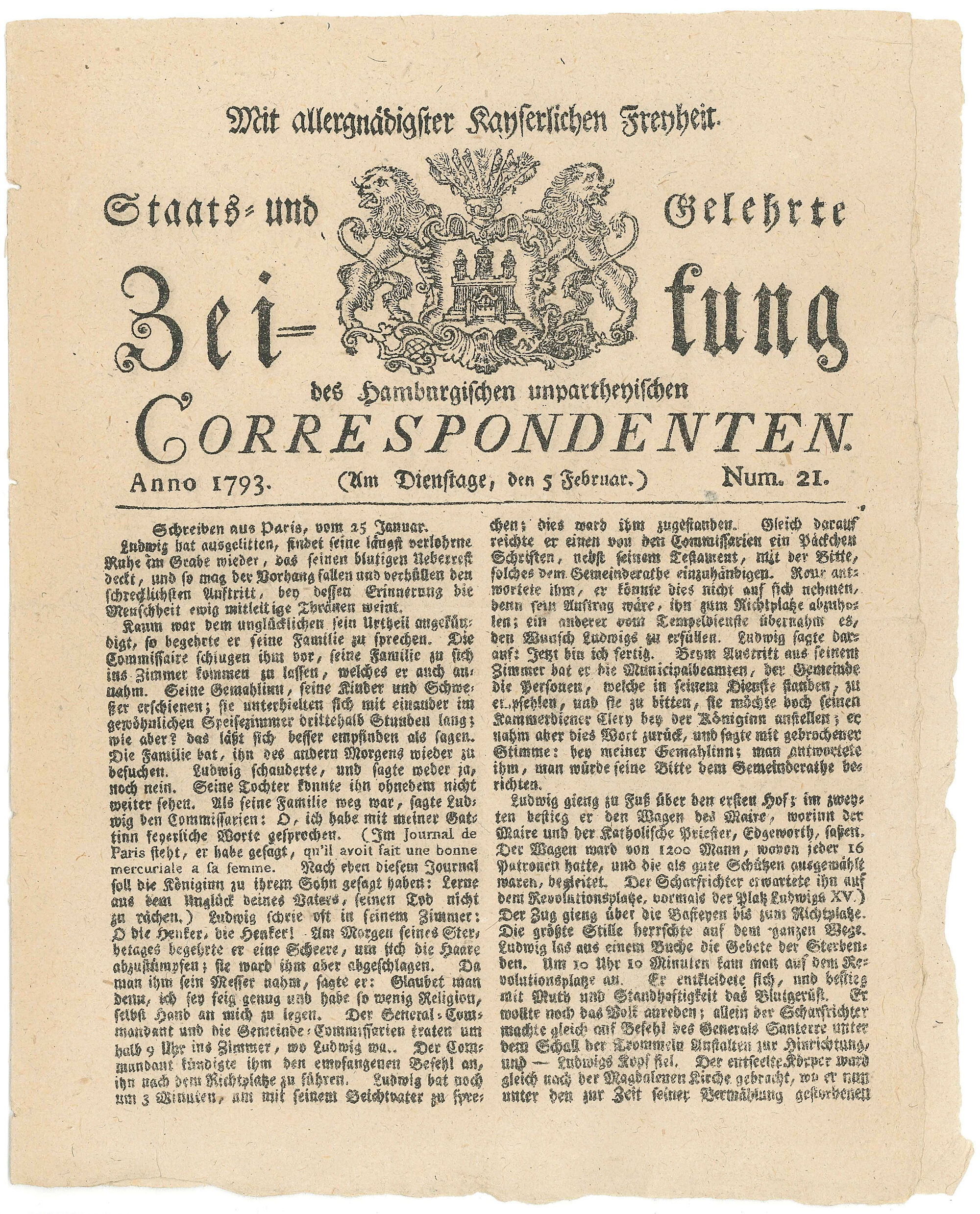
With its extensive holdings of periodical German-language and international newspapers, magazines, intelligence sheets, gazettes, prints, facsimiles, and other documents on the history of printing and publishing, the Press History Collection traces the more than 400-year history of the medium. Numerous technical collection items illustrate the development of news transmission, printing technology, communication, and its control or censorship.
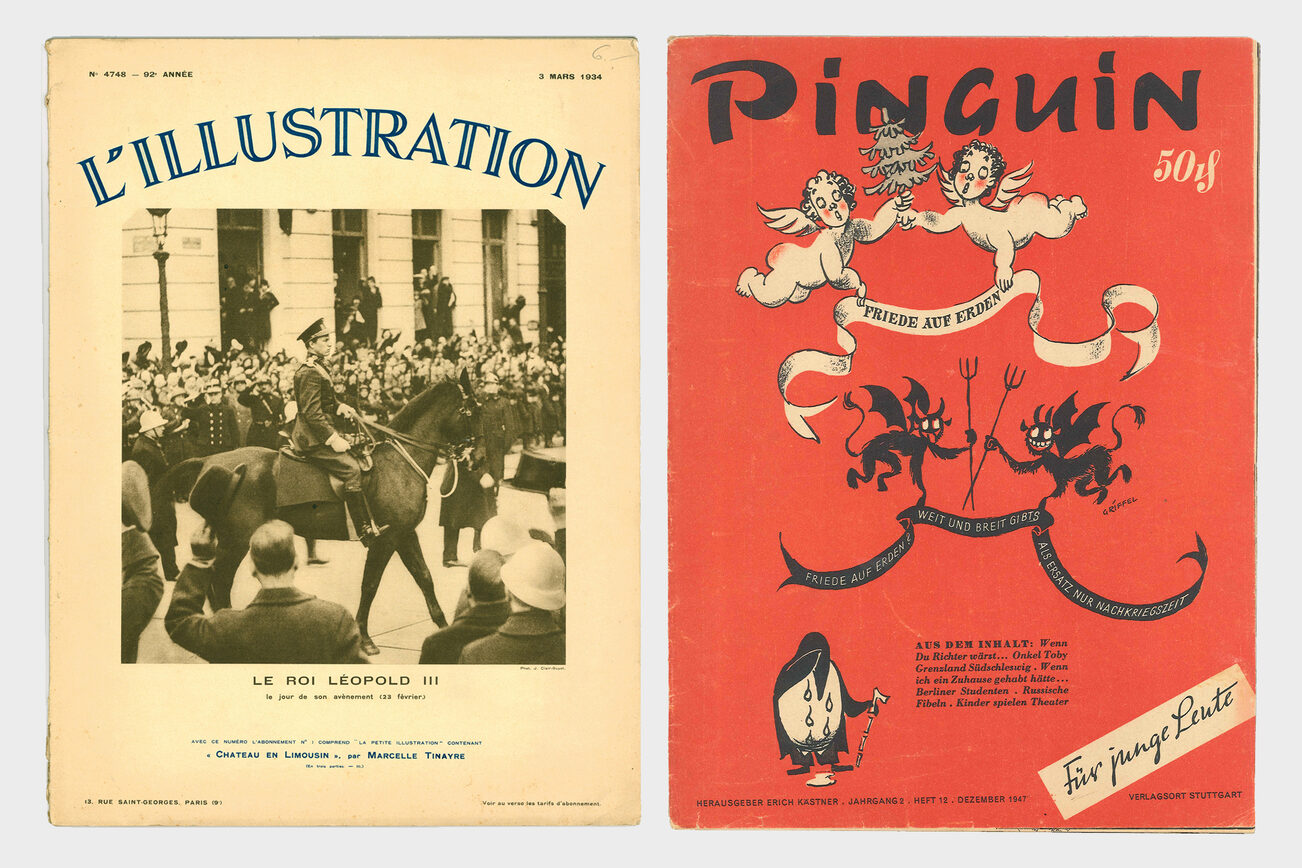
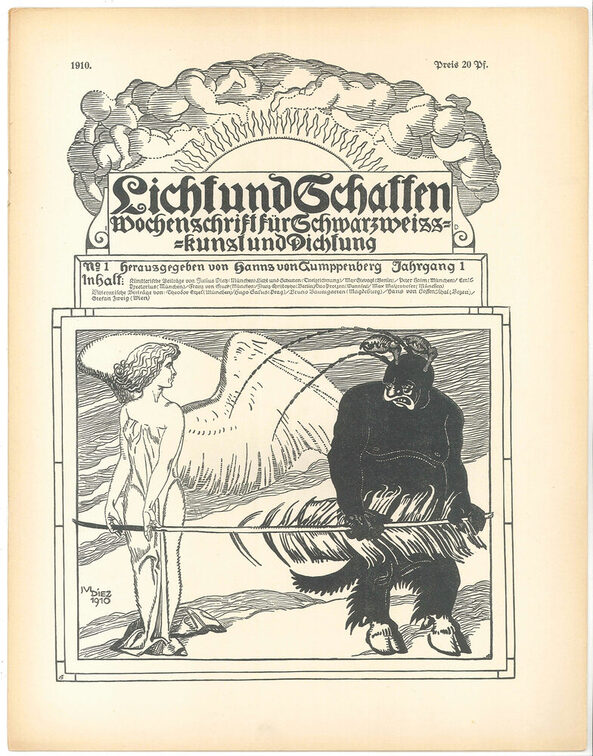
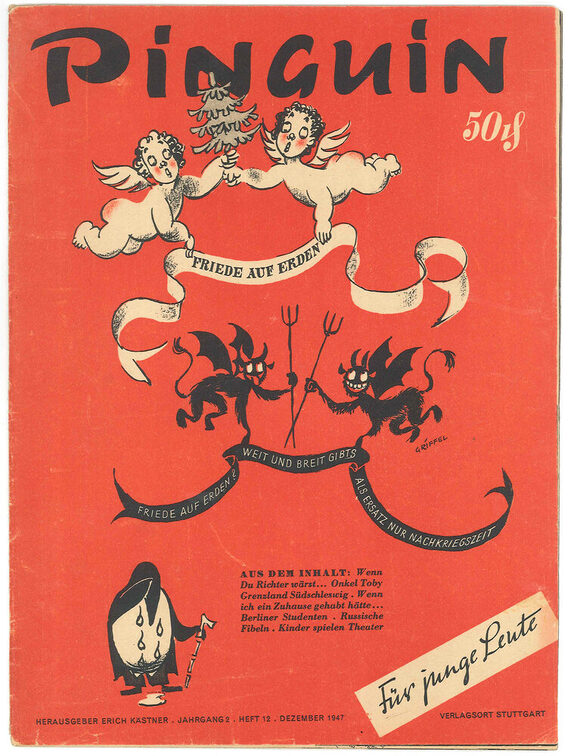
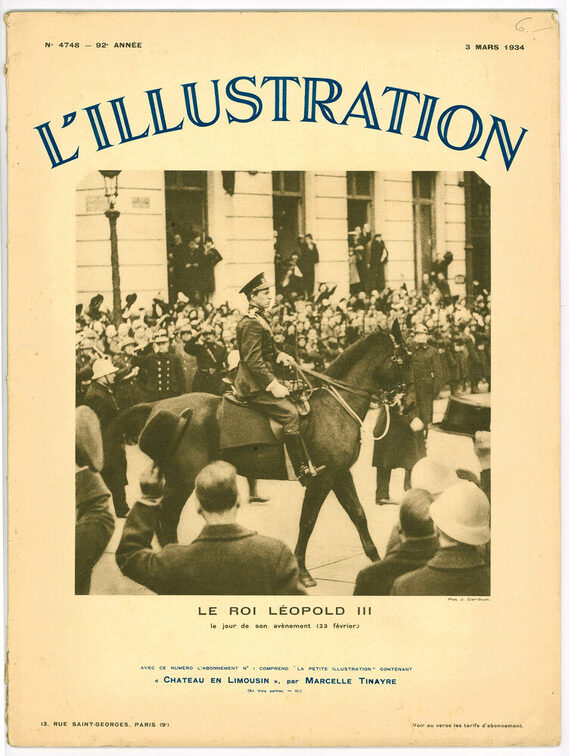
Two magazines from the Press History Collection.
Two illustrated magazines from the Press History Collection

Background

Gutenberg's invention of printing with movable type also paved the way for the printed newspaper. After merchants had already been spreading news written by hand in the 16th century, Johann Carolus of Strasbourg produced the first printed newspaper in 1605. In 1650, the world's first daily newspaper appeared in Leipzig, making political events accessible to broader sections of society.

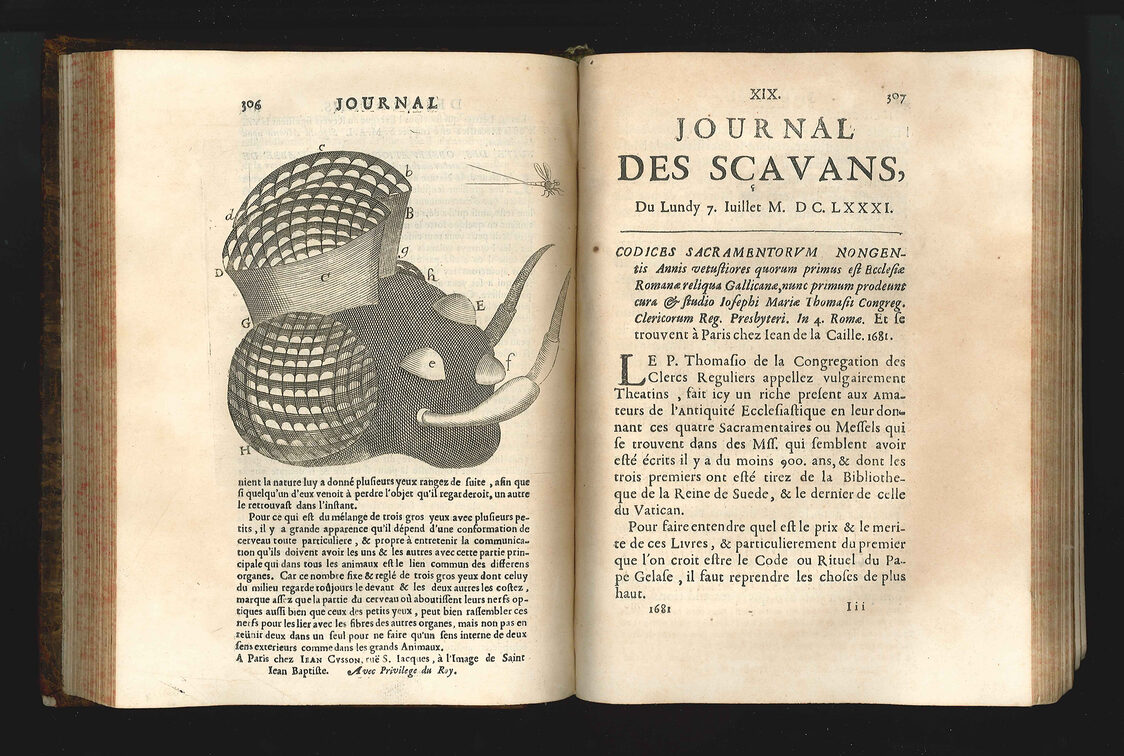
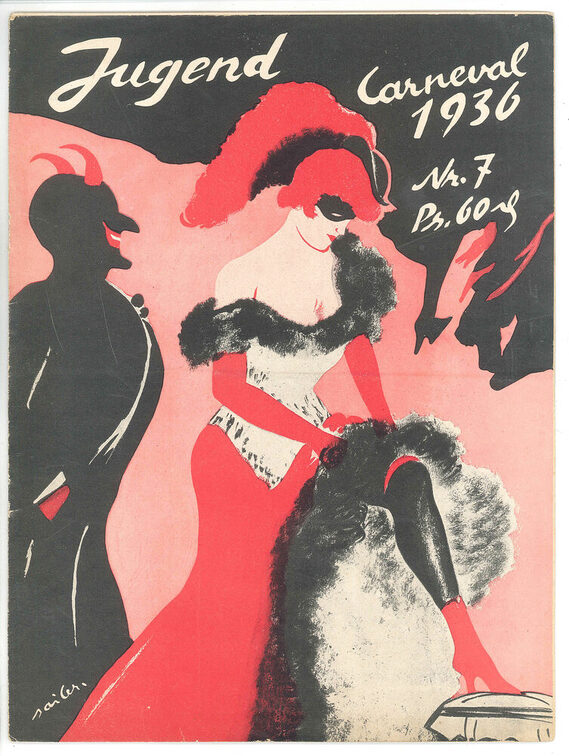
The museum's unique holdings highlight the diversity of periodicals that have appeared since the 17th century. There is a rich collection of around 5,000 individual issues, particularly for the period from 1800 to the present day.
Explanations and notes

Picture credits

Sprachauswahl

Quick search

This website was automatically translated using AI

This website was automatically translated by DeepL's AI. It is possible that the machine translations may not fully correspond to the original text. The State Capital of Mainz assumes no liability for the accuracy, completeness, or timeliness of the translations. Furthermore, there is no guarantee that all content on mainz.de will be fully translated —for example, applications integrated as i-frames (such as “Lost and Found Online”), content embedded via interfaces (such as the events calendar), and files (e.g., PDFs, images, graphics) may not be translated. No liability is assumed for damages resulting from missing, incomplete, or incorrect translations.

When accessing the pages, personal data remains anonymous, as no data is transmitted to the service provider. The translated content is stored locally on the web server of the State Capital of Mainz and made available directly from there.