Rodeneck
Brief information
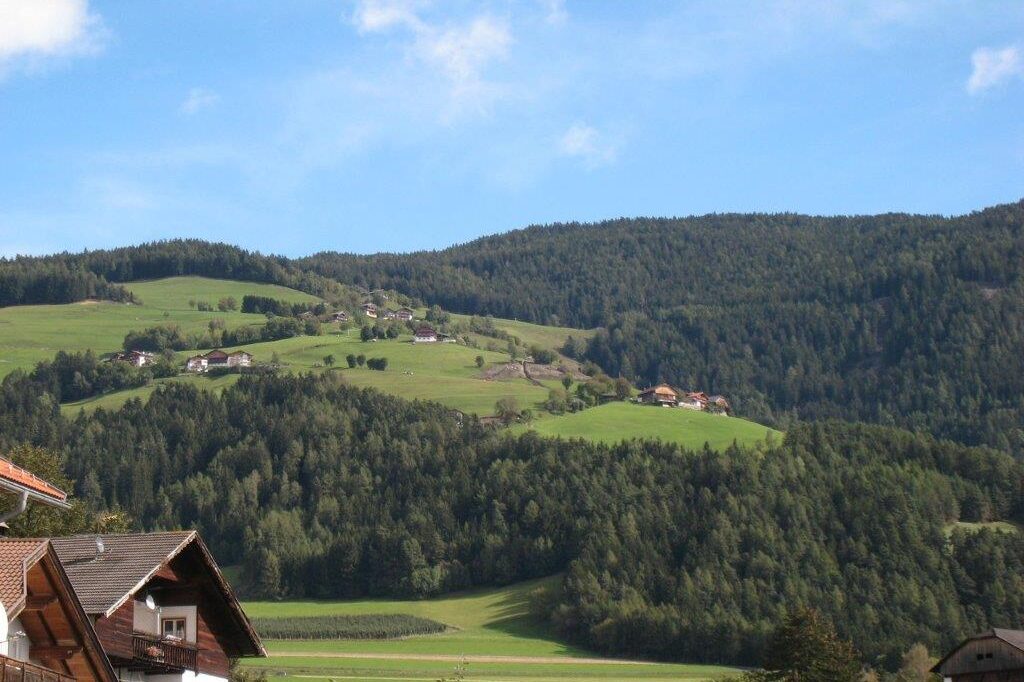
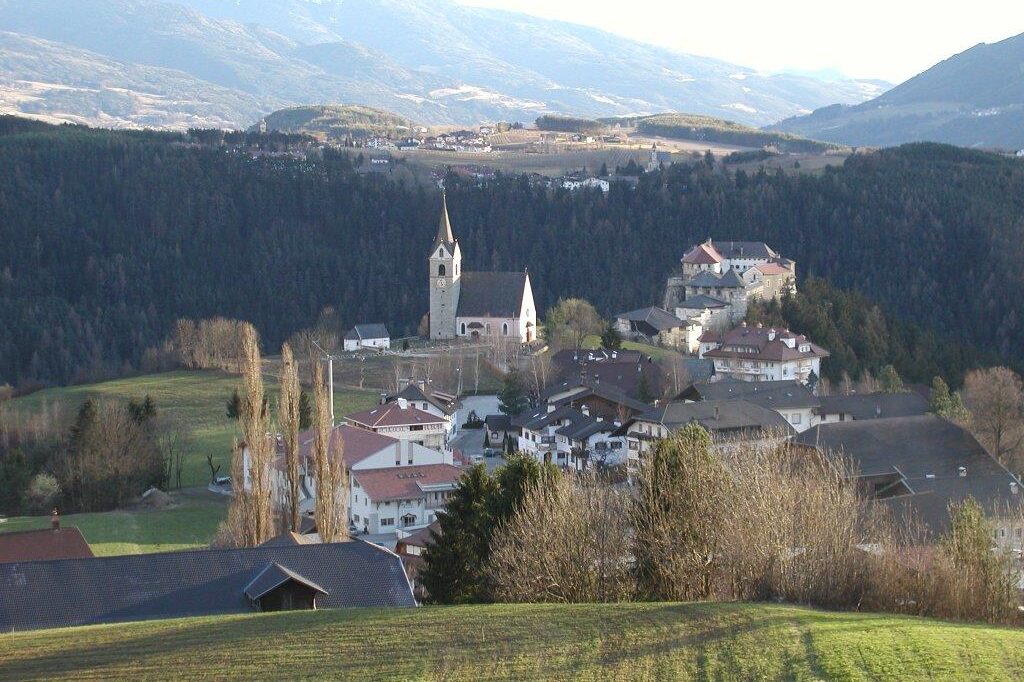
The South Tyrolean mountain community of Rodeneck is idyllically situated amid meadows, fields, and extensive forests on a plateau (850 to 1,200 meters above sea level) above the Eisack Valley at the entrance to the Puster Valley. Away from the major traffic routes of northern Italy, the municipality, with a population of around 1,200, is easily accessible by car via the Brenner motorway, which is approximately 10 kilometers away.
History
The settlement was first mentioned in documents in 1050 AD under the name "Rodung." Since 1200, the village has been recognized as an independent judicial district. The castle peace of the "Rodenegg" castle, which dates back to this period, already covered the area of today's municipal territory at that time. This village structure has therefore hardly changed. For visitors interested in history, the Rodeneck local history book, published in 1984, offers a good insight into the history, economy, and development of the area.
Places of interest
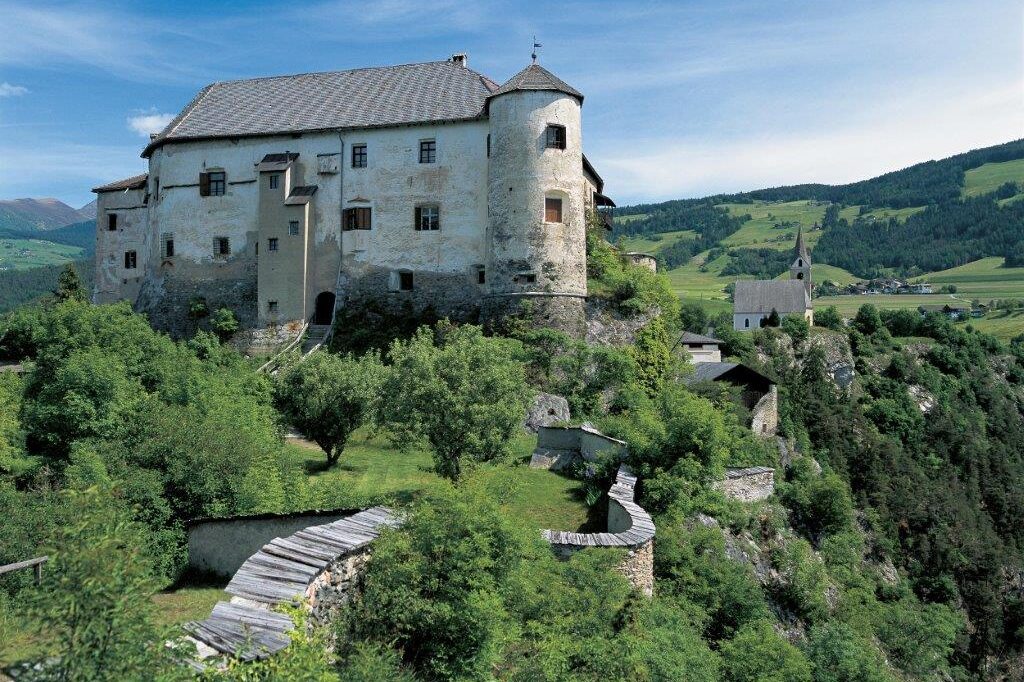
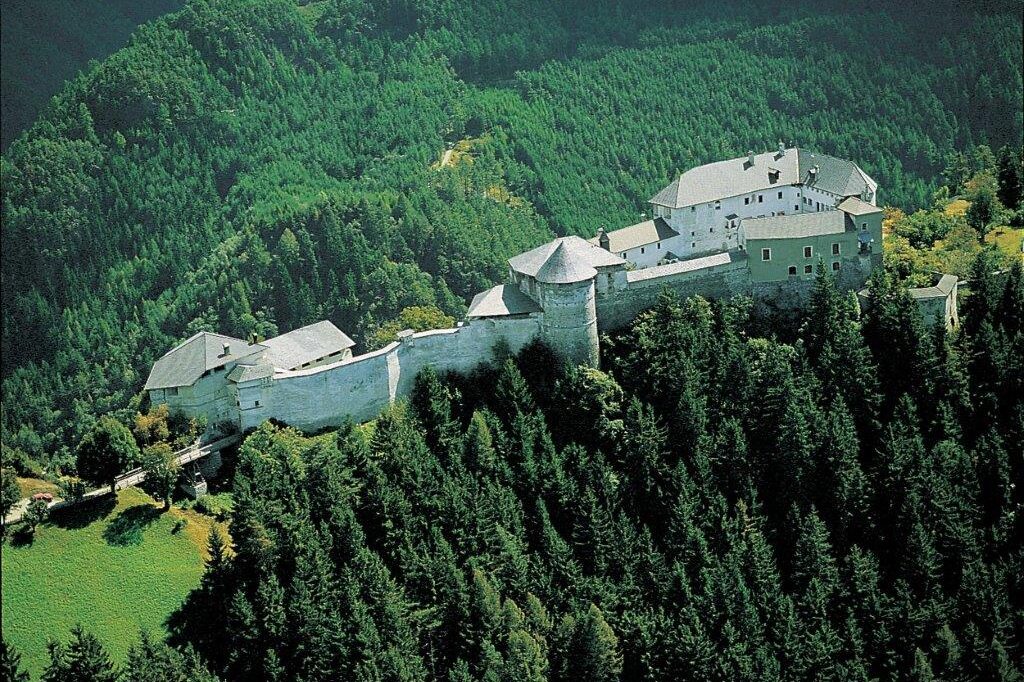
Rodenegg Castle (construction began in 1140) was once the most powerful fortress in South Tyrol. The former drawbridges, towers, walls, and battlements, the picturesque inner courtyard, the outer bailey, the armory, and the castle chapel dedicated to St. Michael reflect the complete structure of a medieval castle. Particularly worth seeing is a cycle of frescoes from the 13th century. These Romanesque paintings are based on the chivalric epic "Iwein" by Hartmann von Aue. It was uncovered in 1973 in the castle's former drinking hall and is the oldest secular fresco in the German-speaking world. Visitors can also enjoy the many pretty farms, well-kept churches and wayside chapels, as well as the traditional costumes.
Schools
Rodeneck has a primary school. Older children and young people attend secondary schools in the larger surrounding communities.
Economy
The traditional sources of income for the citizens of Rodengo are livestock farming and dairy farming. From the 1950s onwards, there were changes, mainly in favor of the building trade. From the 1960s onwards, the municipality also became a tourist destination. Since then, mainly family businesses have specialized in tourism. The service sector has only grown significantly in recent years.
Recreation and leisure
The extensive Rodeneck Alpine pasture area is particularly attractive and easy to walk in for hikers and nature lovers. Fresh green alpine meadows and pastures alternate with sparse spruce and larch forests. Rodeneck is also a popular holiday destination in winter. You can enjoy wonderful downhill runs in the nearby ski areas of Vals/Jochtal, Meransen/Gitschberg, and Plose. Cross-country trails and ski tours on the Rodenecker Alm invite you to enjoy sporting activities in almost untouched nature.
Events and culture
The traditional festivals, accompanied by bands in colorful costumes, are evidence of lively customs and invite visitors to join in the celebrations. Particularly worth seeing are the various processions, the blessing of Easter gifts, and the cattle drive down from the alpine pastures at the beginning of October.
Specialties
In terms of gastronomy, Rodeneck is particularly renowned for its typical Eisack Valley specialties such as small homemade bread rolls, various types of doughnuts, and buckwheat dishes with beautiful names such as "Schlutzer," "Kasnocken," and "Tirtlan."
The traditional festivals, accompanied by bands in colorful costumes, are evidence of lively customs and invite visitors to join in the celebrations. Particularly worth seeing are the various processions, the blessing of Easter gifts, and the cattle drive down from the alpine pastures at the beginning of October.
Development of the town twinning
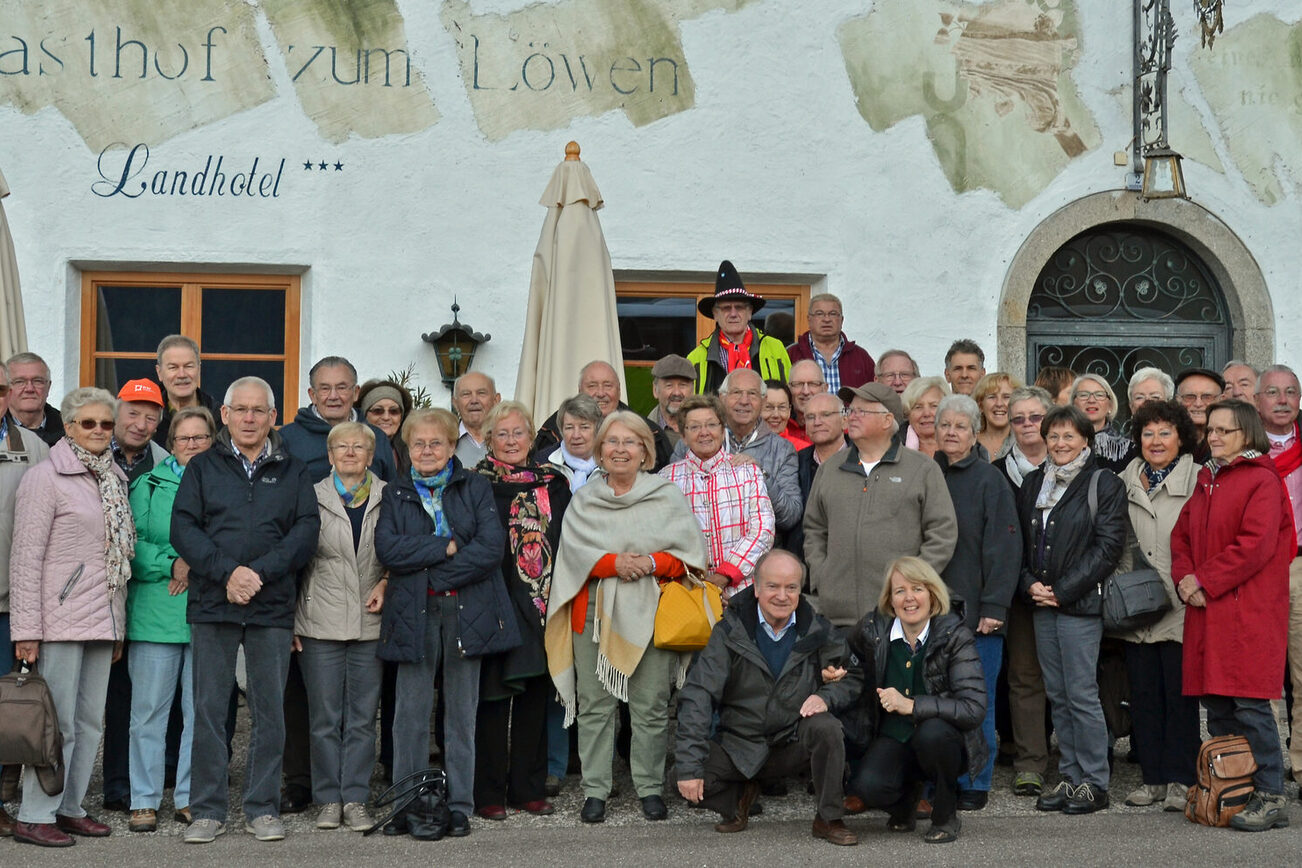
The partnership between Rodeneck and Mainz-Finthen, which was officially established in 1977, can look back on many years of private contacts. Regular citizen trips, student exchanges, and close friendships between the two fire departments maintain the cordial relationship. One indication of this is the fact that a street in Rodeneck was named "Finther-Steig."