Graphics, bookplates and orange papers
With over 20,000 individual sheets and approximately 4,000 posters, the Gutenberg Museum's graphic art collection paints an impressive picture of printmaking techniques and topics related to the history of books. The collection includes one of the world's most extensive publicly owned collections of bookplates, with around 120,000 small prints, and, since 2025, a collection of 40,000 privately owned orange papers.
Graphic collection
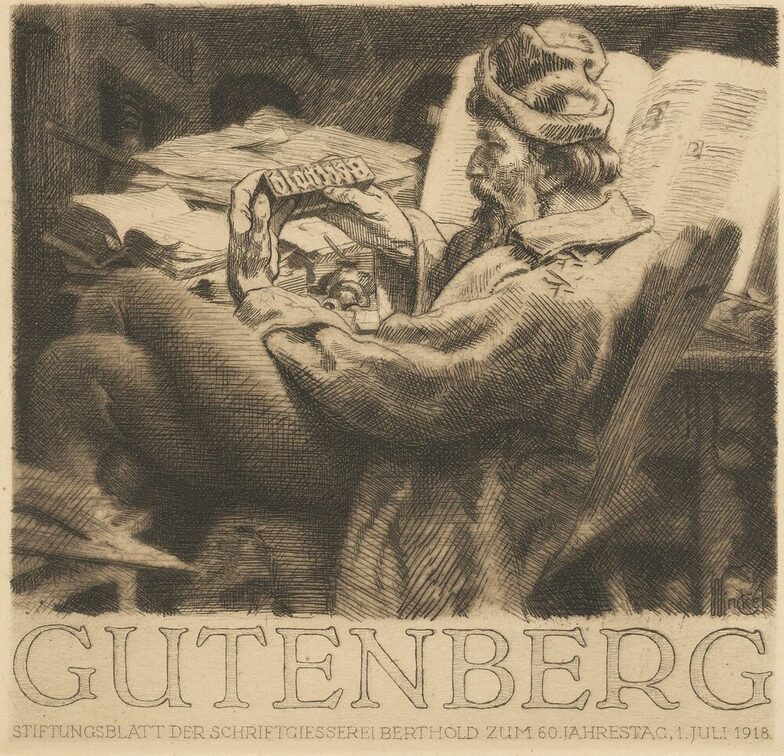
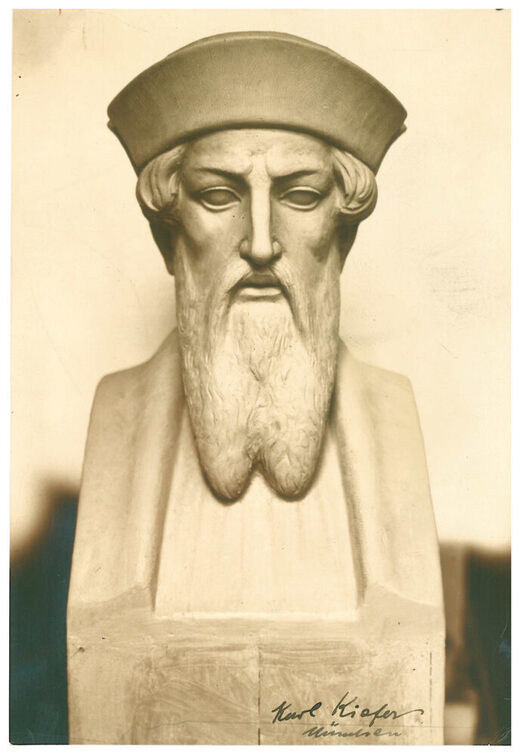
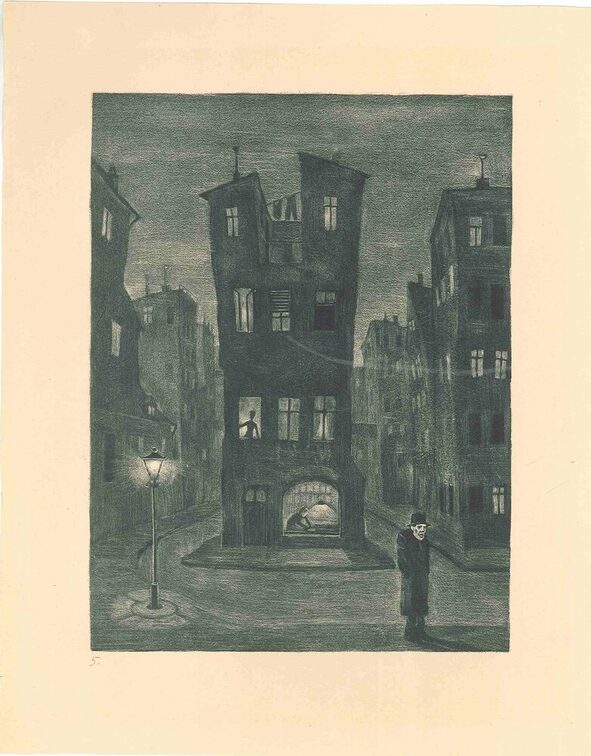
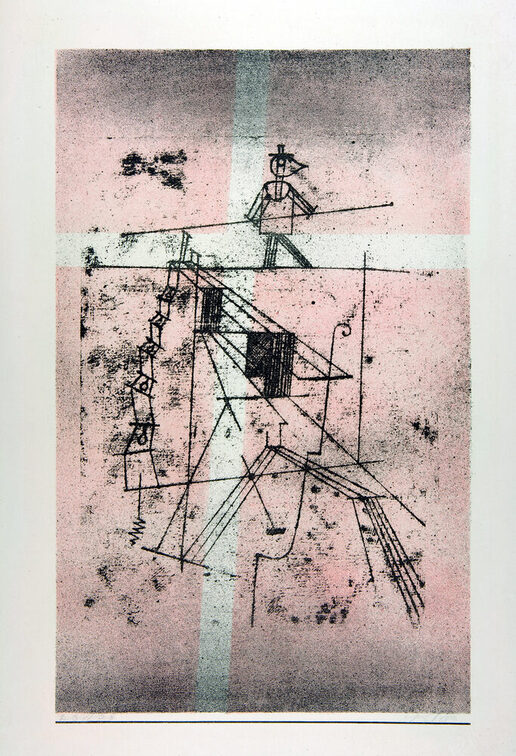
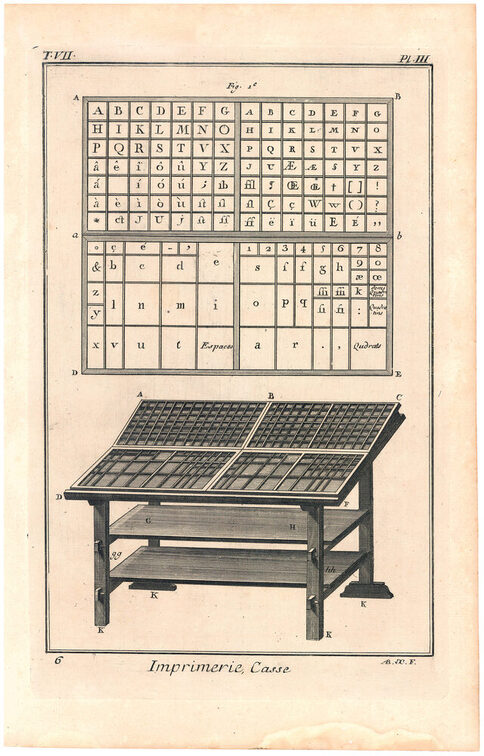
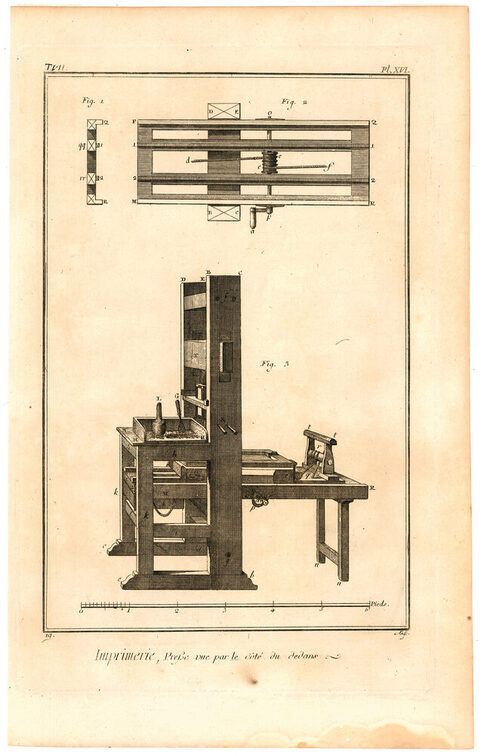
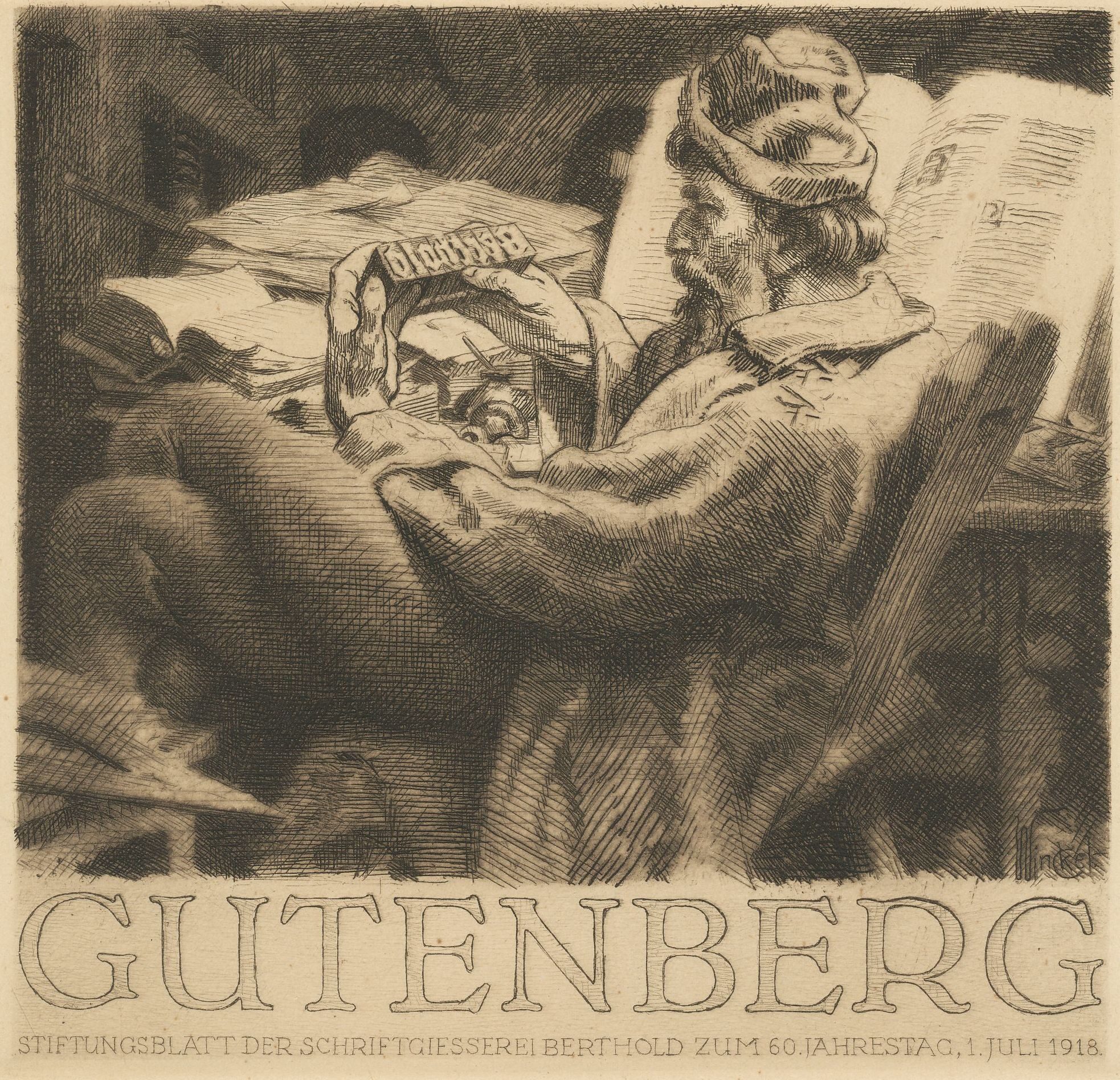
The collection focuses on high-quality artists' prints. It also has other areas of focus that complement the museum's holdings and interests: portraits document figures from printing houses and publishing houses, technical illustrations illustrate historical phases of printing history, and various work samples illustrate (printing) graphic techniques.
The collection draws on extensive bequests and donations with a specific research interest. The bequests include the collection of printing researcher Otto M. Lilien and the complete works of artists Joseph Weisz and Otto Rohse.
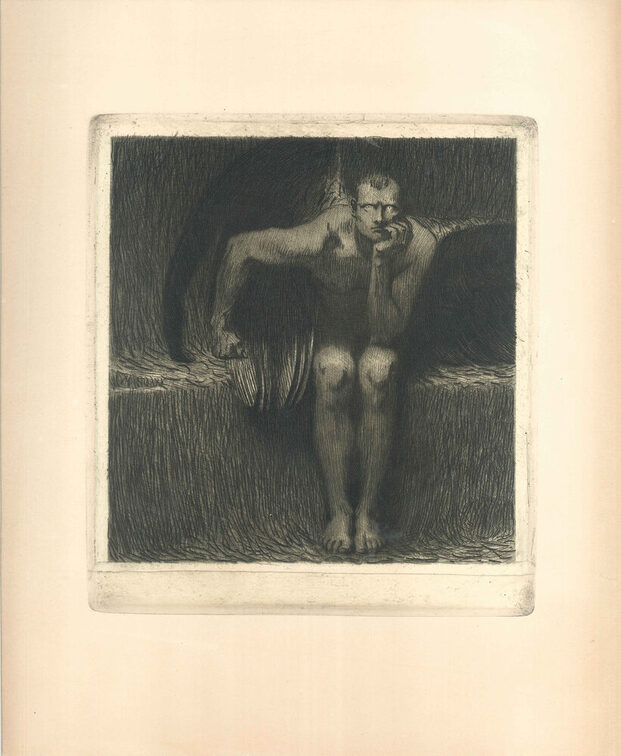
Artist graphics

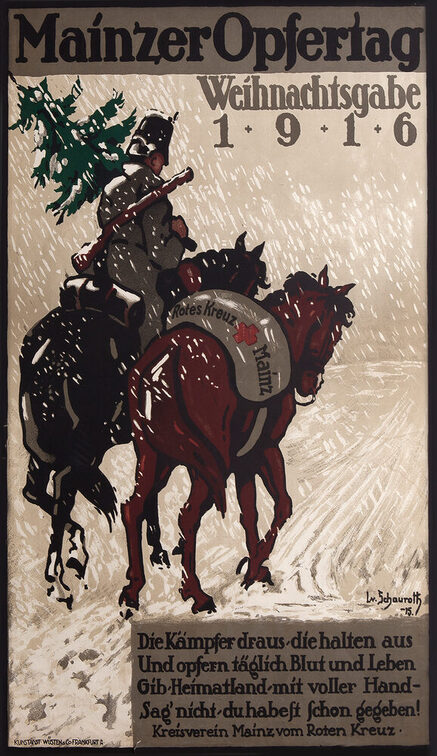
Utility graphics

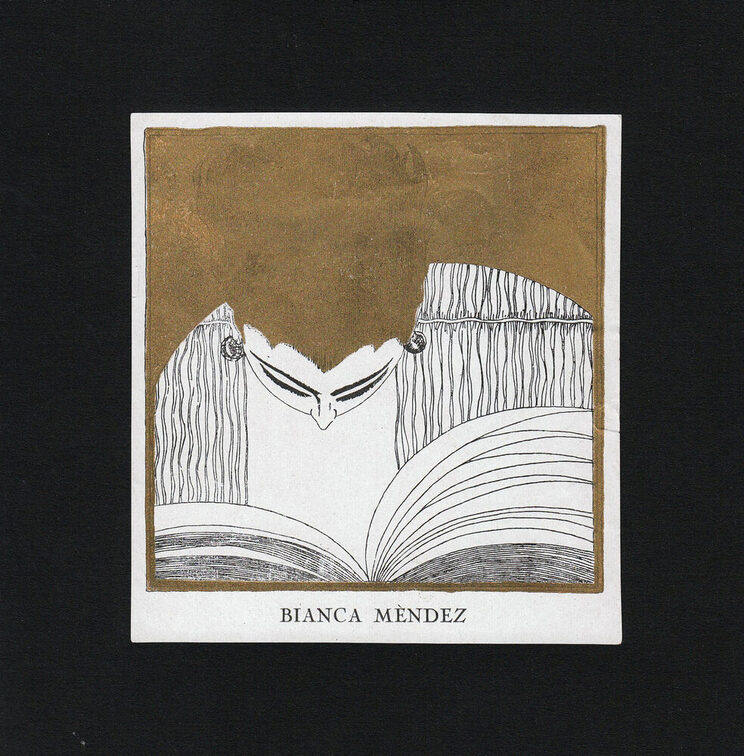
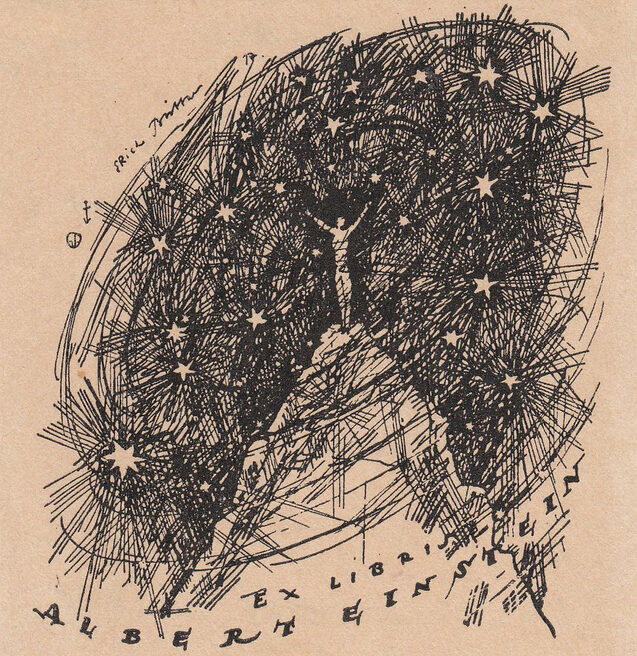
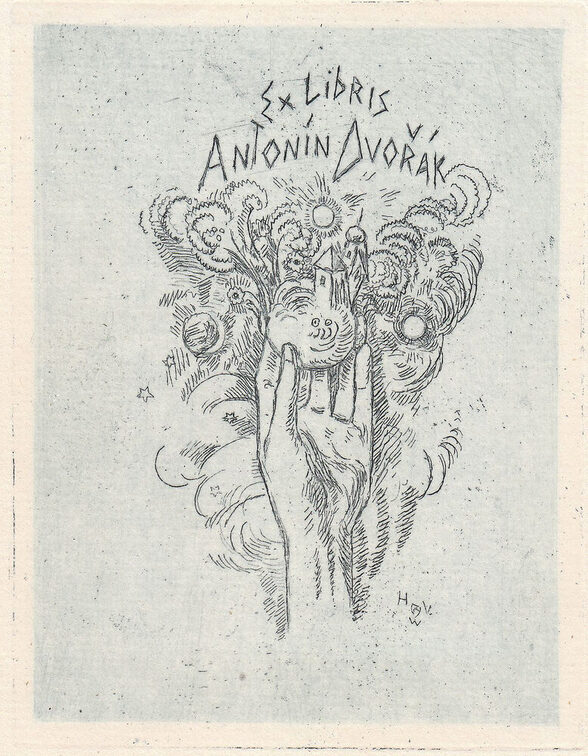
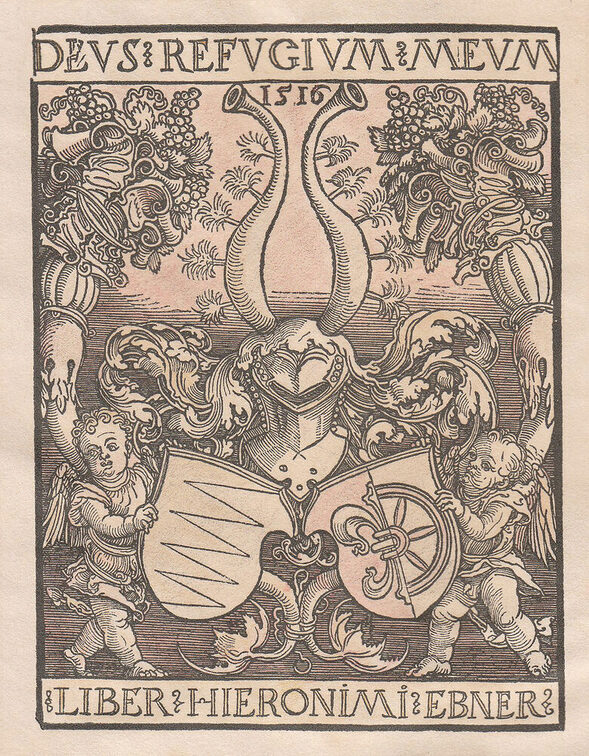
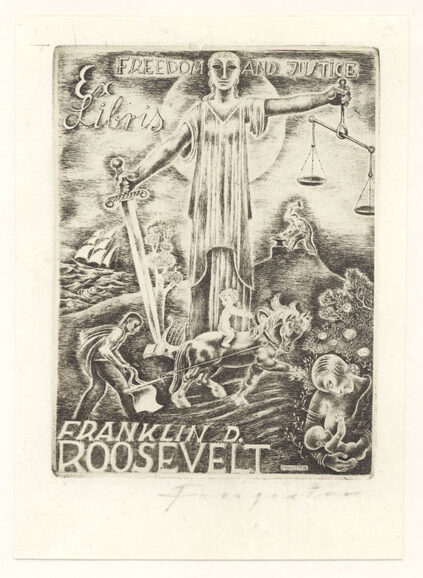
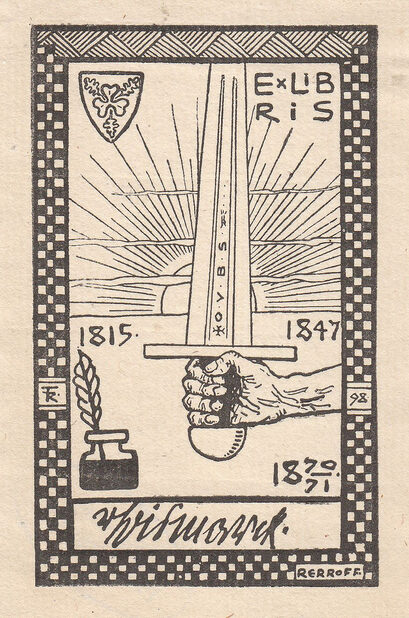
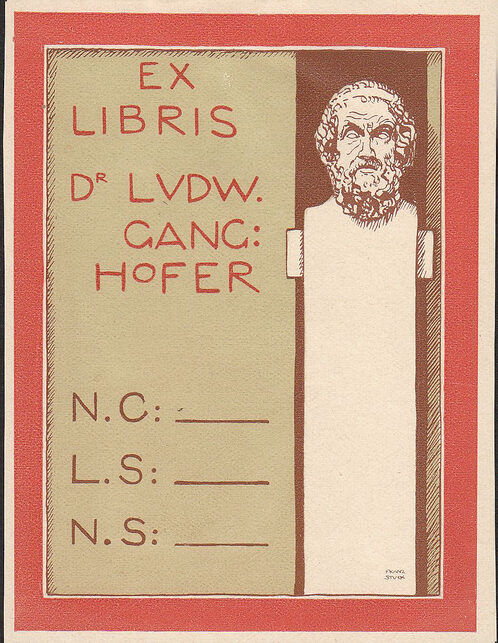
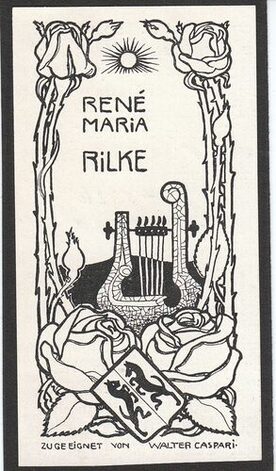
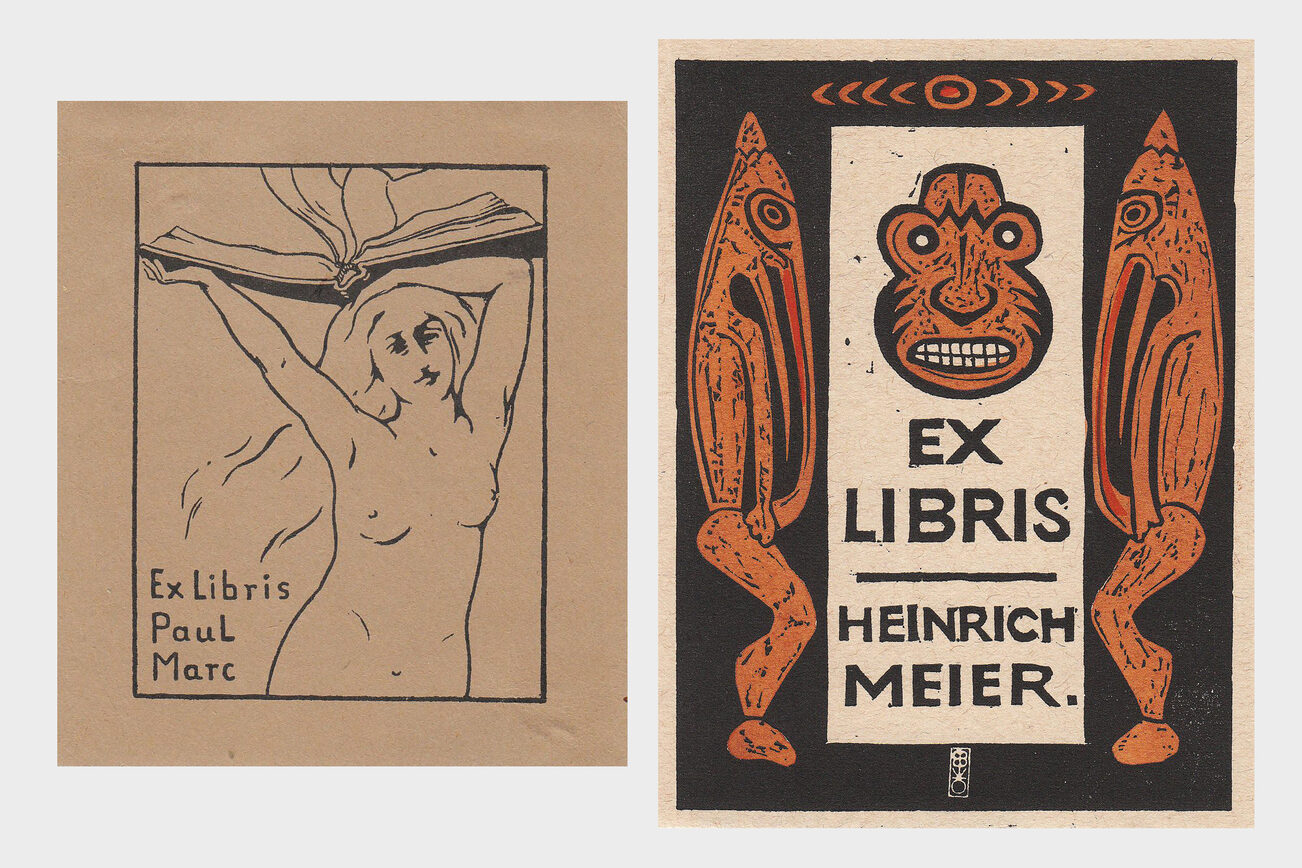
Ex-libris
The Latin expression "ex libris" (English: "from the books" or "from the library") refers to small, often artistically designed sheets that book owners have been sticking to the inside of the cover for centuries to mark their books. The Gutenberg Museum's collection of over 120,000 items includes ex libris by important artists such as Albrecht Dürer, Lovis Corinth, and Franz Marc, as well as famous collectors such as Franklin D. Roosevelt, Albert Einstein, and Thomas Mann.
Orange papers
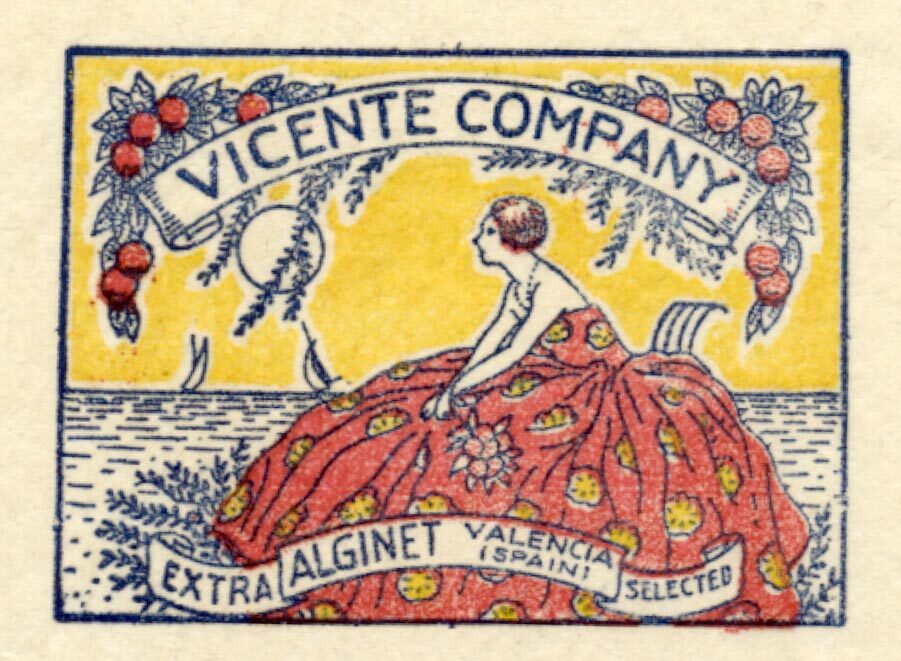
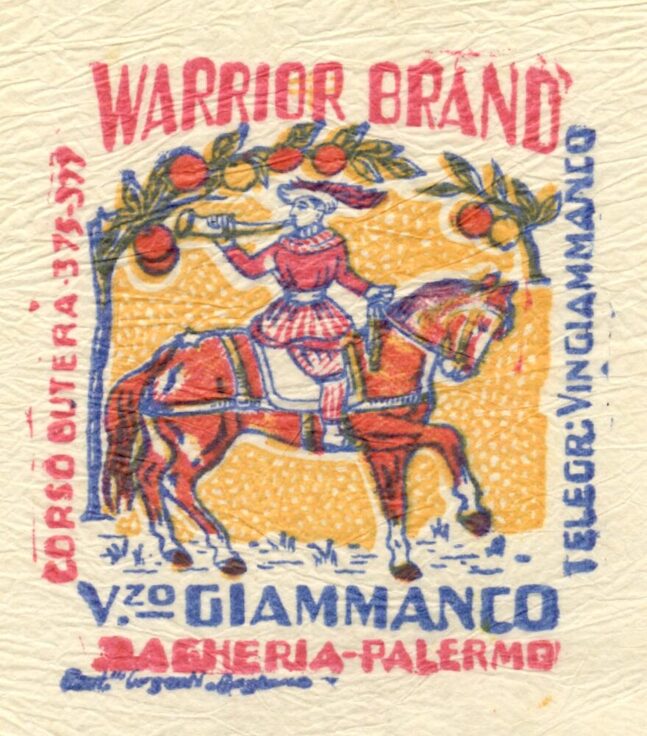
To protect oranges and other citrus fruits from impact and mold during transport, they have been individually wrapped in thin paper since the late 19th century. Fruit companies soon began using the space for advertising, and colorful motifs appeared on the papers in the 20th century. Dirik von Oettingen donated his collection of orange wrappers (opens in a new tab) to the Gutenberg Museum in 2025, bringing the museum's total collection to around 40,000 wrappers. Although many of the wrappers come from Spain, which is famous for growing oranges, there are examples from many parts of the world, including Argentina, Morocco, and Israel.