Kigali

General information
Kigali, capital of the East African presidential republic of Rwanda, is the hub of the country's political and economic life. The city is also a symbol of the rapid economic boom that the country has experienced since the 1994 genocide.
Located in the geographical center of the small landlocked country at an altitude of 1,645 meters, the city enjoys a mild, humid climate all year round despite its proximity to the equator. Kigali was founded on the site where the first German resident, Richard Kandt, had his administrative headquarters around 1900. Today, the metropolis is also the largest city in the country, with Rwanda as a whole being one of the African countries with the highest population density.
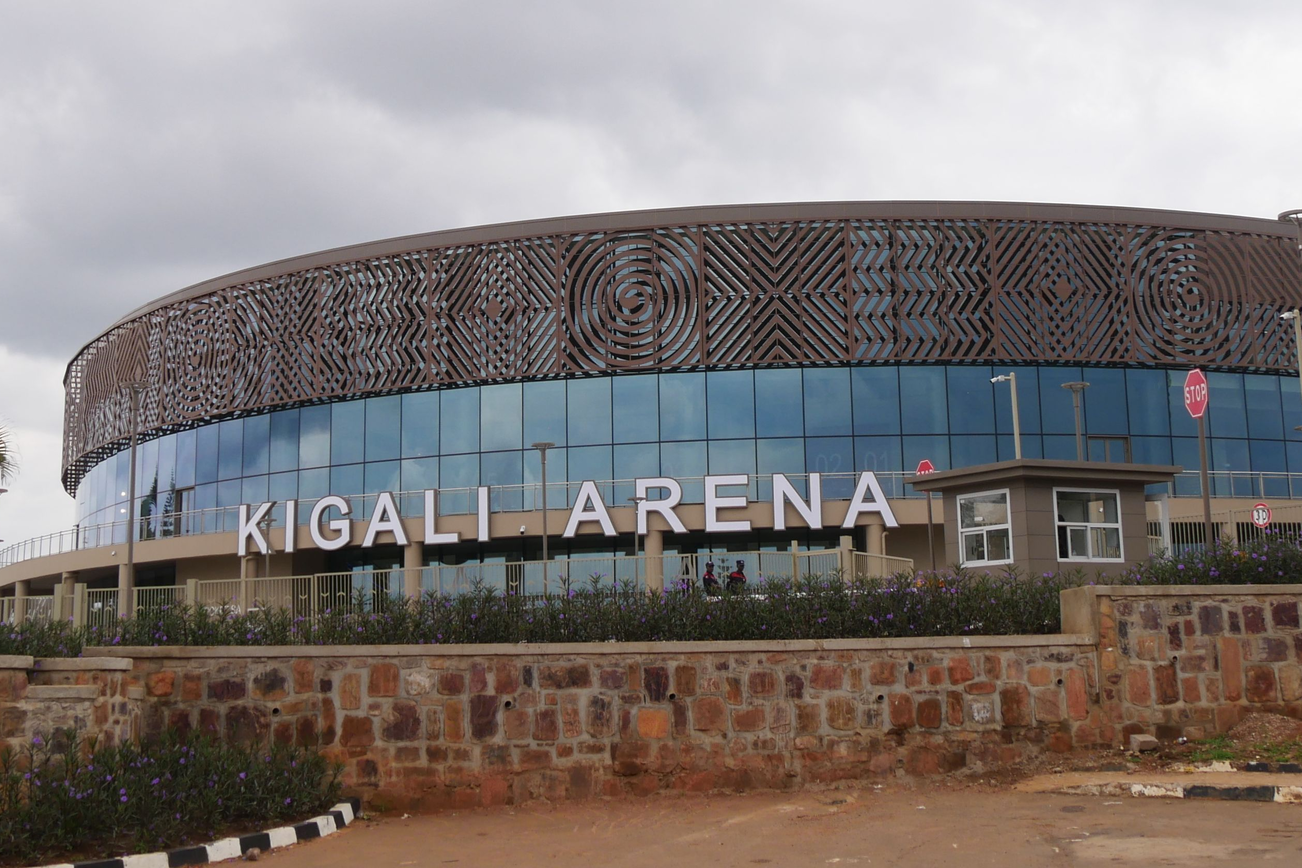
The city presents itself as a vibrant global metropolis and is expanding with the aim of increasing its attractiveness as an economic center by creating infrastructure for investors and conferences. Modern high-rise buildings, hotels, computer stores, boutiques, shopping centers, restaurants, and coffee shops are also expressions of modern life and lifestyle. But leisure facilities also increase the city's appeal: with the Amahoro Stadium, inaugurated in 1989 and seating 30,000 visitors, Kigali has a central sports and major event venue. In 2019, Kigali also gained an indoor arena with 10,000 seats for events, concerts, exhibitions, and sporting events.
Kigali is considered one of the cleanest cities in Africa. The streets and public areas are cleaned daily, and a ban on plastic bags and packaging was introduced throughout Rwanda back in 2008. The most important means of transport include minibuses and countless motorcycle taxis. In order to reduce inner-city private transport, the Master Plan 2040 provides for an effective local public transport system with bus and bicycle lanes. In addition, integrated electric-based mobility concepts, such as car sharing, are being developed in collaboration with VW, for example.
The capital is the hub of the national transport network. Several large bus companies offer trips from Kigali to all major cities in the country as well as to the neighboring countries of Burundi and Uganda.
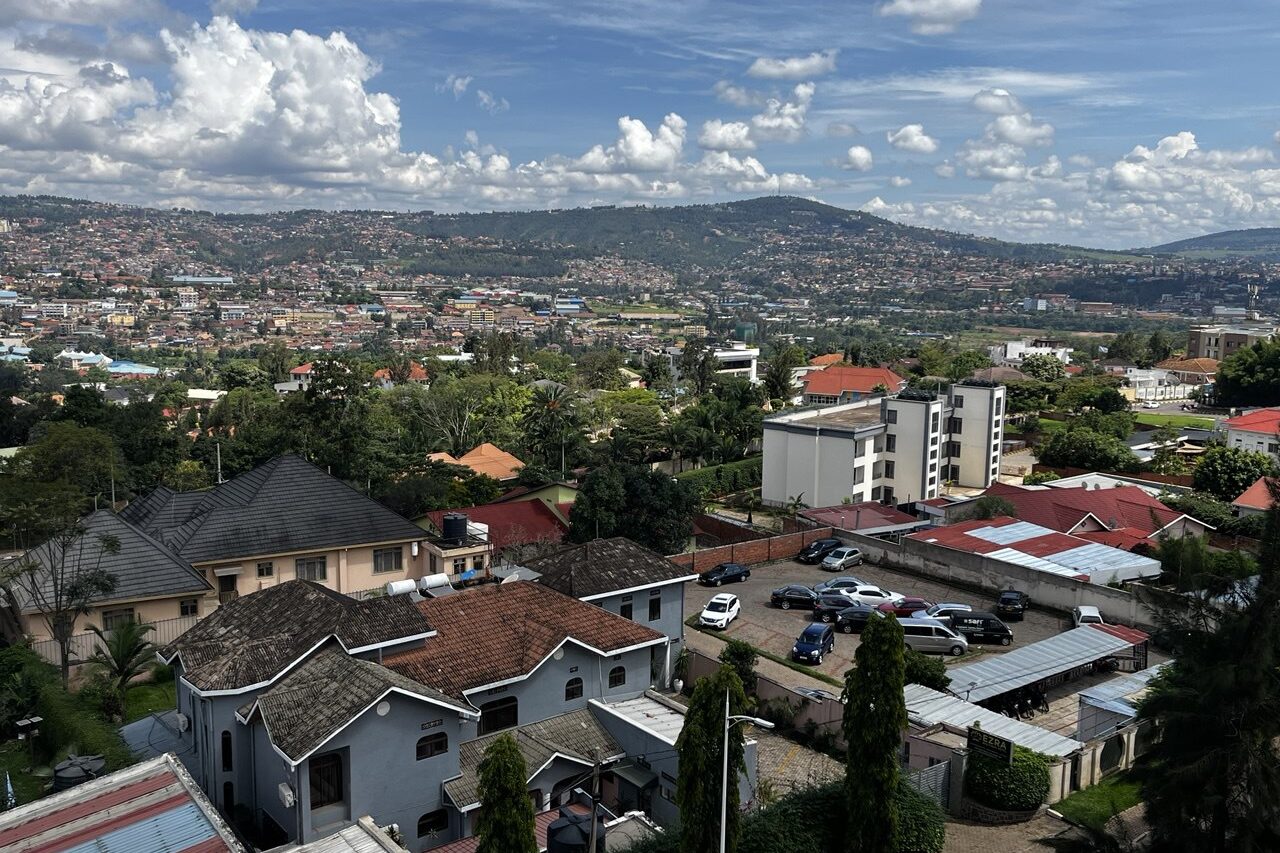
The capital continues to grow dynamically, which not only exacerbates the existing urban-rural divide, but also increases population pressure. One of the most pressing problems is therefore the provision of affordable housing, especially given that the population is expected to triple by 2040. Accordingly, gated communities are springing up in the suburbs for the emerging middle class, as well as more and more luxury single-family homes, although the single-story Rwandan "standard house" made of clay still dominates. According to a 2008 government decree, this rectangular, single-story house, usually covered with corrugated iron, replaced the traditional round house with a conical thatched roof.
The master plan for the city envisages the decentralization of business and shopping centers, the construction of further high-rise buildings and apartment complexes, as well as green spaces and pedestrian areas by 2040. However, the expansion of the city's districts is pushing the poorer sections of the population further to the margins and widening the gap between rich and poor even more.
Places of interest
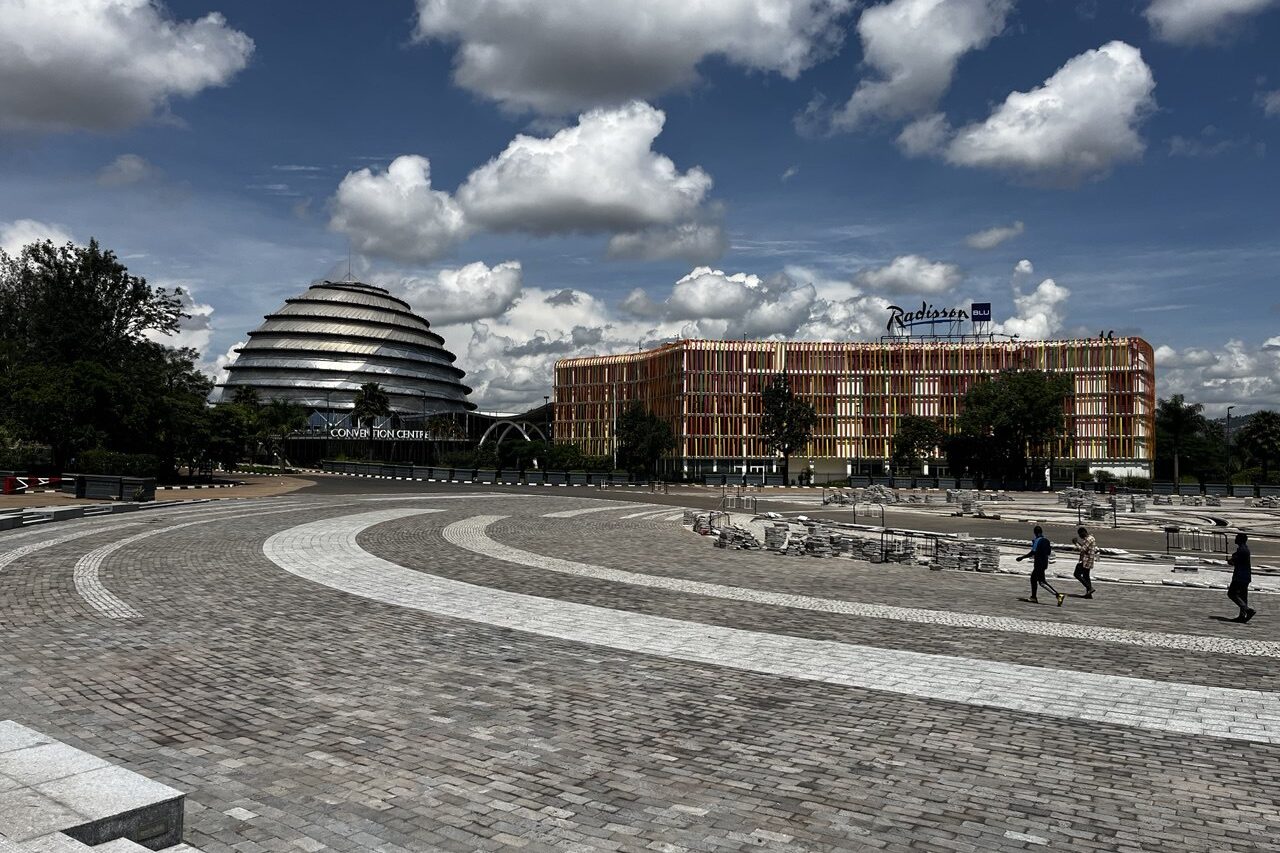
Kigali is an up-and-coming city with numerous examples of modern architecture, including the airport from the 1980s, which is currently being expanded, and the Kigali Convention Center, which opened in 2016. The three main functional units of the KCC are grouped together on a 12.6-hectare campus, which is surrounded by a park landscape: The Convention Hotel and the IT Office Park flank the conference center with 2,600 seats. The 5-star Radisson Blu Kigali Hotel has 292 rooms, and the Information and Technology Park will offer 32,200 square meters of exhibition space. The entire project was realized by German architect Prof. Roland Dieterle. He designed the dome structure of the convention center as a dynamically rising, column-free, walkable spiral construction that echoes the motif of traditional Rwandan roundhouses. The entire complex is also considered an example of sustainable construction in tropical regions. A visit is particularly impressive at nightfall, due to the futuristic illumination of the dome building.
Completed in 2011, the 20-story Kigali City Tower is the tallest building in the city and the entire country. In addition to office space, it houses a shopping center with cafes and restaurants as well as a large cinema complex. The Rooftop Rendevouz Bar and Grill at the Ubumwe Grande Hotel offers a panoramic view of downtown Kigali.
The Rwanda Art Museum is located outside the city center. Exhibits on the history of Rwanda are on display in the former presidential residence.
There are numerous shopping opportunities in the country's capital. By shopping at the Nyamirambo Women's Center (NWC) store, for example, visitors support a Rwandan NGO founded to protect women from violence, discrimination, and inequality. The store sells handmade Rwandan handicrafts, decorative items, jewelry, and children's clothing. The center also offers sewing and cooking classes, as well as basket weaving classes for tourists.
The Inema Arts Center, a cultural center with workshops and courses, offers works of art by Rwandan freelance artists. A creative scene has developed in Kigali that is setting traditional Rwandan design accents not only in fashion but also increasingly in interior design. Many small clothing manufacturers and design shops have sprung up in various parts of the city.
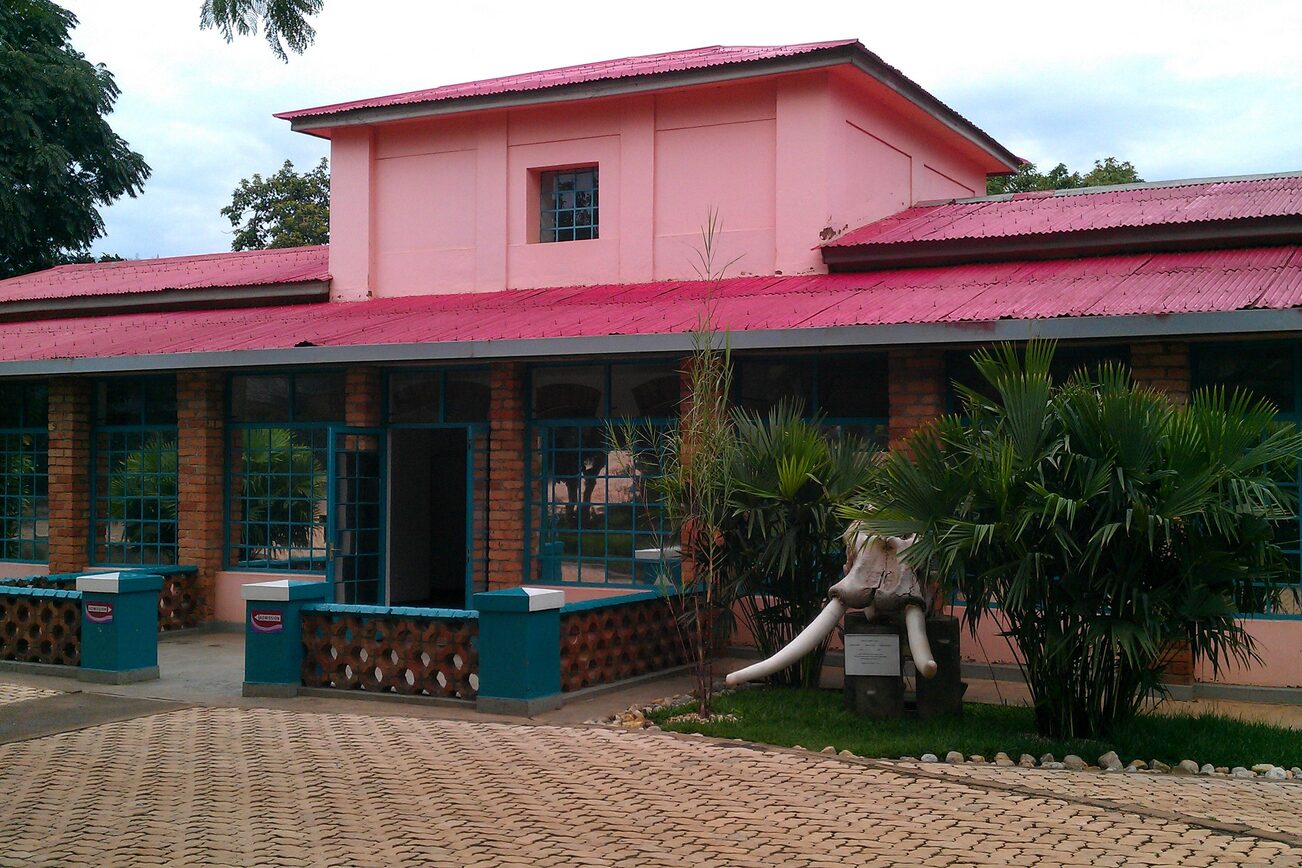
Since 2006, the Kandt House Museum has been located in the former residence of Resident Richard Kandt, which was built in 1908. Formerly a natural history museum, it was redesigned in 2017 on the initiative of the partnership with Rhineland-Palatinate and with funding from the German Foreign Office to mark the 150th anniversary of Richard Kandt's birth. This last architectural testimony to the German colonial era in Kigali now presents the history of Rwanda during the period of German colonial administration. Following its redesign, the museum provides insights into the traditions and life in Rwanda around 1900. It also offers a magnificent view of the three mountains (Mt Kigali, Mt Jali, and Mt Shyorongi).
The internationally renowned Kigali Genocide Memorial is the headquarters of a total of around 200 institutions of this kind in the country. In addition to the genocide and its consequences up to the present day, the memorial exhibition describes the history of the country leading up to the events of 1994. Other genocides of the 20th century are also addressed. The Kigali Genocide Memorial is the final resting place for more than 250,000 victims of the genocide against the Tutsi. The institution actively promotes peace and remembrance through numerous programs and maintains a Genocide Archive to document the events of 1994 in Rwanda.
Also relevant in this context is the Hôtel des Mille Collines, a hotel in Kigali that opened in 1973 and offered refuge to more than 1,200 people during the 1994 genocide in Rwanda, saving them from certain death.
Universities and schools
Education is seen as the key to Rwanda's development and economic recovery, so a lot is being invested in it. The first nine years of school are free of charge. In addition, the Rwandan government has been stepping up vocational training in recent years to meet the high demand for skilled workers. The country has a total of 14 colleges and universities, with Kigali being the headquarters of the University of Rwanda, which was formed in 2013 from six formerly independent universities and colleges in the country. Investments in education can also be seen in the establishment of a new architecture faculty at the College of Science and Technology at the University of Rwanda Kigali. The architecturally and ecologically ambitious building complex by Patrick Schweitzer & Associés from Strasbourg was completed in 2017.
Country and people, culture and religion
Over twelve million people live in the "land of 1,000 hills," which, due to its geological composition, should actually be called the "land of 7,000 hills." Rwanda's area is comparable to that of Rhineland-Palatinate and Saarland – however, our federal state has only a third of the population.
The official languages are Kinyarwanda, French, English, and Swahili. Since 2009, English has replaced French as the first foreign language in schools and as the official language in administration.
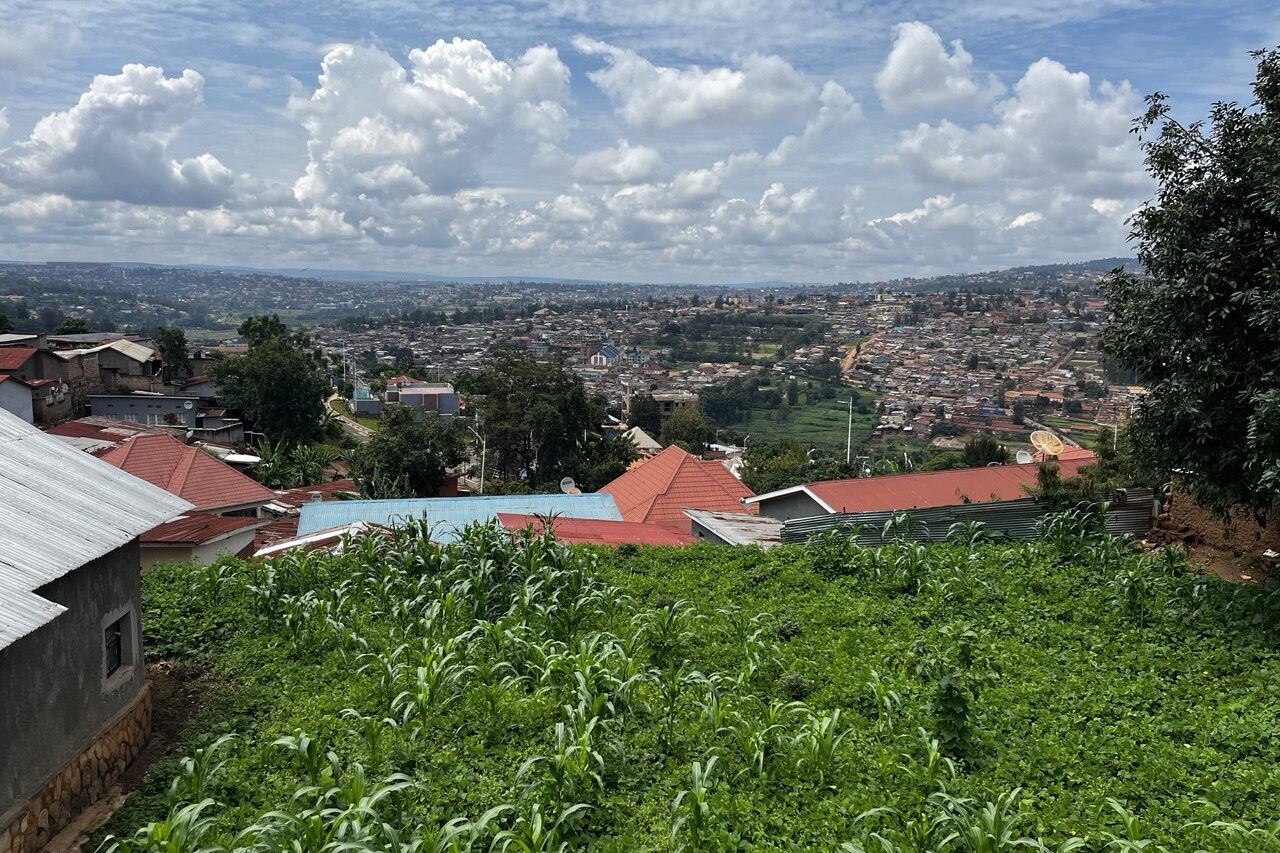
The majority of Rwanda's population does not live in towns or villages, but in scattered settlements with individual farmsteads surrounded by self-cultivated plots of land. However, a gradual shift away from this traditional scattered settlement pattern towards concentrated settlements can be observed. This facilitates the supply of electricity and water and shortens the distances to educational and health facilities. Arable land is consolidated and cultivated by cooperatives.
Rwanda is a very young country. Almost half of all Rwandans are under the age of 18, and 70% are under the age of 25. Rwanda has a 30% quota for women in parliament – and now has the highest proportion of women in parliament worldwide, at almost 60%. Nevertheless, equality is still a goal: many women still follow traditional role models in their private lives.
In order to promote a national Rwandan identity, Rwanda is reflecting on its own traditions and values. These include Ubudehe (social solidarity), Imihigo (performance contract), Itorero (education in Rwandan values), Gacaca (grassroots courts), and Umuganda (community work). As in the rest of Rwanda, the last Saturday of every month is Umuganda, a community clean-up day, in Kigali. Umuganda translates as "stick together and help each other." Community activities strengthen social cohesion, for example when people work together to repair a wall, fix a section of road, or even plant a field. Gacaca is the basic form of jurisdiction and a traditional method of conflict resolution within the population, chaired by former dignitaries who are universally respected for their integrity. They do impose punishments, but more often than not they mediate with the aim of restoring peaceful coexistence. Gacaca played a major role in dealing with the atrocities of the 1994 genocide.
An elementary component of Rwandan culture is the traditional Intore dance with drumming and singing.
Traditional arts that are still practiced today include mat and basket weaving and the production of imigongos. These reliefs made from cattle dung, usually with geometric patterns, have become a trademark of Rwanda. Theater and the visual arts (painting, sculpture) are not part of the traditional arts, but are becoming increasingly widespread in Rwandan culture. This also applies to modern pop and rap music, which is interpreted in a Rwandan style. The arrival of contemporary youth culture is also reflected in the construction of skate and inline parks. The first skate park in Kigali was completed in 2016.
Christian religions predominate in Rwanda. Catholics make up 51% of the total population, Protestants 26%, Adventists 11%, Muslims 10% and 3% belong to other religions. In Rwanda's traditional religion, unusually for sub-Saharan Africa, only one god was worshipped, but he was never depicted in images. The Rwandans still use his name, Imana, for the Christian God today. Mask culture and figurative representations are unknown in Rwanda.
Food and drink
The most important traditional foods in Rwanda are plantains, beans, rice, corn, manioc bugali, and sweet potatoes, which are used to make a thick porridge, usually served with a sauce made from various vegetables and occasionally meat. Isombe is made from the leaves of cassava roots and is eaten as an alternative to the usual sauces, sometimes accompanied by dried fish. Fried triangular pastries called sambusas are also popular. Meat is very expensive in Rwanda, so it is rarely on the menu for many Rwandans. However, as prosperity increases, meat consumption is also growing here.
This is reflected in the name of the meat dish Aka Benz, a plate of pork prepared in different ways, which can be served with various sauces and side dishes. Its name supposedly comes from the Mercedes Benz cars parked in front of the restaurant, or perhaps more generally from the high quality of the meat. In the countless restaurants and snack bars of the capital Kigali, international specialties are increasingly appearing on the menu alongside traditional dishes.
Traditional beer is made from sorghum or bananas. In some regions of Rwanda, banana wine is also drunk. Bralirwa, a subsidiary of Heineken with the Primus and Mützig brands, has shared the Rwandan beer market with Skol International Ltd. since 2012. The economic boom and entrepreneurial spirit of Rwanda's population is exemplified by the young entrepreneur Assumpta Uwamariya, who a few years ago created an earthy red wine from beetroot under the name Karisimbi, which she now sells in various African countries, but also internationally, including Germany. Of course, you should definitely try the coffee and tea grown in Runda.
History
Due to a lack of written records, Rwanda's history prior to the 15th century is difficult to reconstruct. However, it can be established that the area was settled by different groups in different waves, who gradually developed a common culture and language, Kinyarwanda. Gradually, the terms Hutu, Tutsi, and Twa emerged. These terms are based on social and family distinctions and thus refer to different classes. Kingdoms developed as a structure of rule, which at the end of the 19th century merged into a central kingdom.
In 1888, Rwanda officially became part of the German Empire's East Africa colony, although the Rwandans retained their autonomy to a large extent. In 1923, Belgium finally received the territory as an administrative mandate from the League of Nations. The Belgians intensified their control over the colony. The introduction of identity cards with entries indicating which group the respective person belonged to (Hutu, Tutsi, Twa) had devastating consequences. The socially permeable class system thus became an immutable ethnic category. At the same time, the Tutsi were given special support in higher education and thus found employment in the Belgian colonial administration.
From 1957 onwards, an emancipation movement arose in Hutu circles, directed against the Belgian colonial power as well as against the monarchy and the Tutsi as the ruling elite. This led to an uprising in 1959 that claimed 20,000 lives. Rwanda gained independence in 1962. As early as 1964/1965, extensive massacres of the Tutsi took place, until 1994, when the ongoing conflicts between the Hutu and Tutsi erupted again with the indescribable power and cruelty of genocide. The trigger was the death of Rwandan President Juvénal Habyarimana and other politicians in a plane crash on April 6. In the following hundred days, an estimated 800,000 to one million people, mainly Tutsi but also moderate Hutu, were murdered. Targeted demagoguery against the Tutsi led to orgies of violence that affected even families. On July 4, 1994, the civil war was declared over. Infrastructure, the economy, and, above all, public administration were in ruins. This resulted in the mass exodus of 2 million Rwandans to neighboring countries, but fear of a renewed outbreak of violence also drove people from their homes.
The new beginning in Rwanda since 2000 has been marked by the presidency of Paul Kagame, who leads the government and public administration in an authoritarian manner. "Vision 2020" became the basis for the new government. To enable a new start for society as a whole, the use of the terms Hutu, Tutsi, and Twa was banned. "We are all Rwandans" is the new motto. The basis for the upswing is reconciliation after the genocide 25 years ago, even though many of those responsible for the genocide still live in exile without having been brought to justice. Economic concerns are a priority. Rwanda, which is predominantly agricultural, is to become an IT-based service society and, at the same time, a leader in innovation in Africa. Thanks to its political stability and assertive political leadership, Rwanda has achieved some of the goals of its Vision 2020.
Here you can find more interesting facts from recent history, in particular about the civil war www.rlp-ruanda.de
Economy
Kigali, as a special economic zone, is developing into a dynamic location, with the service sector becoming increasingly important. New communication technologies are being used to transform the economy. The MARA smartphone, for example, is produced entirely in Rwanda. In 2018, a VW plant was inaugurated in Kigali, and in 2019, the E-Golf was launched on the African market as a result of a partnership between the Rwandan government and the Volkswagen Group. In addition, integrated mobility concepts are being developed in collaboration with VW, making Rwanda a leader in Africa. Investments are also being made in the start-up scene, particularly in the IT sector.
Factors that hinder economic expansion and infrastructure development, such as topographical conditions and the difficult traffic situation as a landlocked country, are being countered with technological solutions. For example, drones are being used to supply rural regions with medicines from Kigali. For energy production, a prerequisite for economic recovery, resource-saving sources such as hydropower, methane gas extraction, biogas, and above all solar energy are increasingly being used. The first steps toward solar energy production were taken with the help of Mainzer Stadtwerke AG.

Despite the influx into cities, especially Kigali, three-quarters of Rwanda's population still lives from agriculture and livestock farming, with subsistence farming dominating. The very high population growth is leading to scarcity and overuse of the soil. Large-scale agricultural products such as coffee and tea account for around 50% of export earnings. Other agricultural exports include pyrethrum (flowers used to produce insecticides), flowers, and cinchona bark in small quantities. However, processing takes place under difficult conditions. The mining sector also brings foreign currency into the country. Coltan, which is needed for the manufacture of mobile phones and laptops, as well as cassiterite, wolframite, and small amounts of gold are mined in the Kivu region. Coltan is considered a conflict mineral because it is mined in the neighboring Democratic Republic of Congo in violation of human rights and in war zones. Certification schemes are being used to make the origin of conflict minerals more transparent, which benefits the Rwandan mining industry.
Hopes are also being pinned on tourism. Initiatives for "gentle" tourism are focused primarily on Rwanda's three national parks, where the country's original flora has been preserved: Virunga Volcanoes National Park with the 4,500-meter-high Karisimbi, Akagera National Park, and Nyungwe Rainforest.
Vegetation and animals
Due to intensive use and the creation of farmland and pasture, the proportion of forest cover has shrunk from 65 percent to 8 percent. A reforestation program and the expansion of nature reserves are intended to counteract this.
Virunga National Park is home to the mountain gorillas made famous by the film about the life of Diane Fossey, the last of their kind in the world. The entire area is under strict protection, although one- to two-day tours to see the gorillas are possible. Thanks to the protective measures, the population has been able to grow again, but the animals are still threatened by poaching.

Akagera National Park is located in the dry savanna region in the east of the country. It is crisscrossed by extensive bush savannas. Through targeted reintroduction of wild animals, the original biodiversity is gradually being restored with large game such as elephants, rhinos, hippos, and giraffes, as well as antelopes, zebras, buffalos, impalas, warthogs, monkeys, and crowned cranes.
The Nyungwe Mountain Cloud Forest in the southwest of the country is of great ecological value, serving as Rwanda's water reservoir, so to speak. Thanks to its great diversity of plant species, it is home to various animal species such as amphibians, reptiles, chimpanzees, and various bird species.
Development of the city friendship
Since 1982, Rhineland-Palatinate has maintained a so-called "grassroots partnership" with Rwanda, a partnership between people. Within the framework of this state partnership, contacts between Mainz citizens, associations, schools, and the administration of the state capital Mainz with Rwanda have intensified. Since the early 1990s, the state capital has supported a wide range of aid projects, such as the expansion of libraries and projects to improve educational opportunities for young Rwandans. In 2007, an agreement was signed between the cities of Kigali and Mainz by Mainz Mayor Jens Beutel and Kigali Mayor Dr. Aisa Kirabo to deepen cooperation. Since then, the Mainz-based association Human Help Network has been active in numerous local initiatives. In addition, a lively school partnership has existed between the Otto Schott Gymnasium Gonsenheim and the Mburabuturo/Kigali primary school since 1994. In 2018, the children of the Dr. Martin Luther King Elementary School in Mainz took on sponsorships for Rwandan children, as did various classes at the Berufsbildende Schule III (Vocational School III) in Mainz. The active network is constantly being expanded and developed, even outside Kigali. For example, the Frauenlob-Gymnasium in Mainz has a partner school, Lycée de Rusatira, in southern Rwanda.
The Mainz/Kigali Friendship Circle, which has its office in the Mainz Natural History Museum, has maintained a partnership with the Kandt House Museum in Kigali for more than 10 years. Since 2015, there has also been an institutional partnership between the Rwandan Institute of State Museums (ISMR) and the Natural History Museum Mainz for the purpose of "intercultural exchange and further training of Rwandan museum staff in the field of museum education."
On January 22, 2018, the IMANZI "City of Mainz" daycare center in Kigali began operations. It was funded by donations from the Friendship Circle, the state capital of Mainz, Human Help Network e.V., and Aktion Tagwerk. The aim is to help disadvantaged families from poor backgrounds in particular and to enable single parents to complete an education or pursue gainful employment while their children are well cared for. The official inauguration took place on October 1, 2018, by Rhineland-Palatinate's Minister President Malu Dreyer.

The state capital of Mainz also supports individual projects run by Les Enfants de Dieu in Kigali, a reintegration center for street children founded in 2002. Here, children and young people are given the opportunity to return to a structured daily routine that offers them stability and guidance. They can live at the center, go to school, and take part in various leisure activities. A special feature of the educational concept of "Les Enfants de Dieu" is the principle of participation, which means that the young people help shape the overall processes at the center themselves and collaborate on specific measures.
The partnership between the two universities in Mainz and Kigali, which has been in place since 1985, was renewed in June 2014. Cooperation in research and teaching is primarily maintained between the Institute of Ethnology and African Studies at Johannes Gutenberg University and the School of Governance (in the College of Arts and Social Sciences CASS) at the University of Rwanda, Kigali. The Catholic University in Mainz is currently expanding its cooperation with the Catholic University of Rwanda in Butare/Huye.
In 2018, a successful project by Mainz 05 and other German soccer clubs came to an end, in which children's soccer coaches from Kigali and all over Rwanda were trained as part of the Football Club Social Alliance (FCSA). Young people who had fled to Rwanda from Burundi and the Democratic Republic of Congo received training so that they could in turn train other young refugees as multipliers. The soccer activities and educational games help to counteract violence and drug problems in the refugee camps, reduce stress, and process traumatic experiences. Sports exchanges also take place. In the summer of 2019, the soccer club "FC Ente Bagdad-Weltfußball aus Mainz" hosted a Rwandan team, and a return visit is planned.
Margit Sponheimer, an honorary citizen of Mainz, is committed to helping Rwanda. She supports the children's aid organization Human Help Network in projects for so-called child families, who grow up without parents and in which older brothers or sisters take responsibility for the family.
A ten-day trip to Rwanda by female experts was entitled "Self-determined lives of women in Rwanda and Rhineland-Palatinate." Seven women from various Mainz institutions, such as the women's emergency hotline, pro familia, and the university hospital, visited facilities in Kigali, Huye, and Ruhango in December 2018. Perspectives for cooperation in the area of methodology and organization of self-help groups were developed.