Common ash
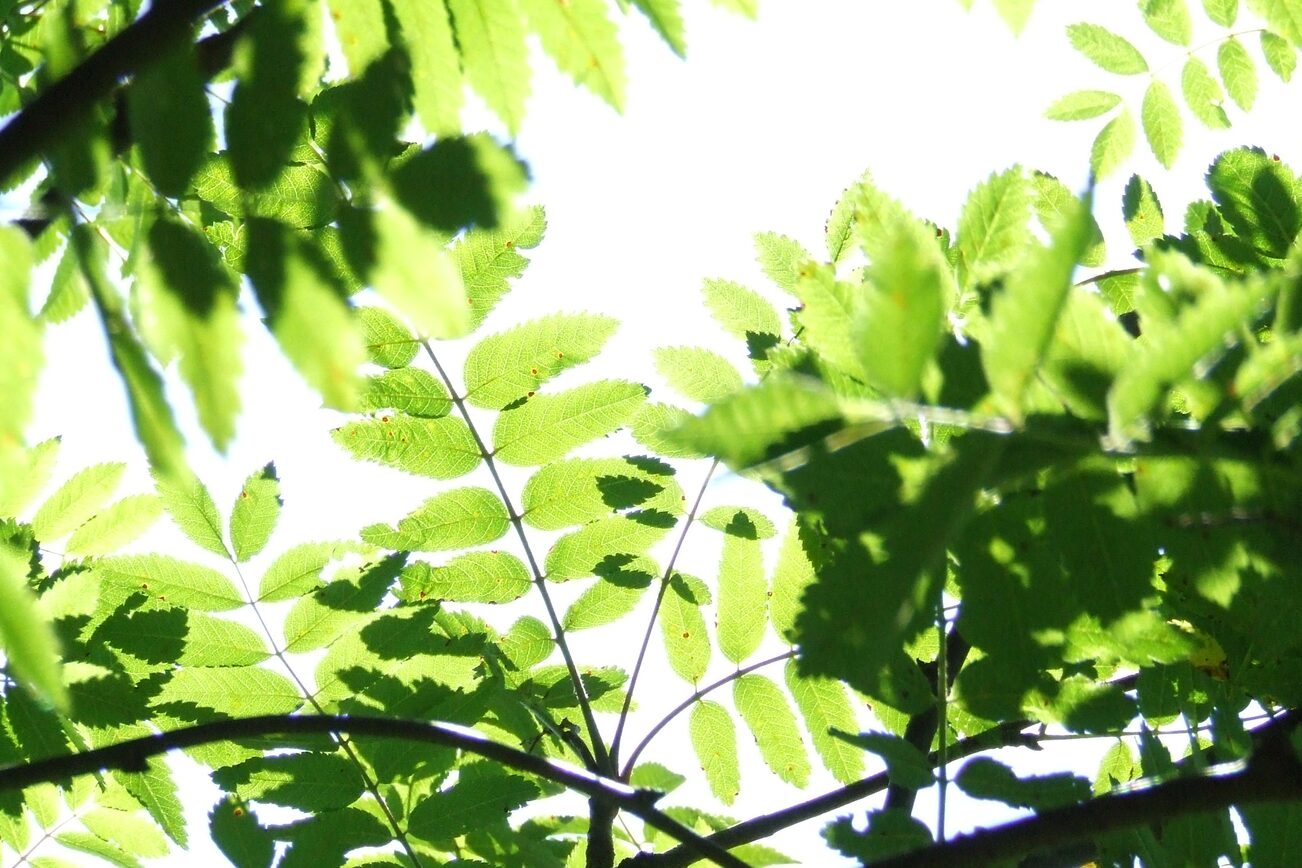
The ash tree, or technically correct common ash, is one of the most widespread deciduous trees in Europe. In local mixed forests, it is considered a structural tree and has a high forestry value. The wood is also highly sought after in the furniture industry.
In 2001, the ash tree was named Tree of the Year in Germany.
- Origin: Europe
- Height: 25–40 meters
- Leaves: deciduous, green, golden yellow in autumn
- Flowers: sprout a few weeks before the leaves, blackish-purple-red in dense spherical clusters
- Fruit: narrow nuts with narrow, elongated wings, in large clusters, lasting until winter
- Soil/location: very wide range of locations, preferably calcareous, humus-rich, fresh to moist soils, sun/partial shade
- Special feature: Ash trees remain bare for a long time in spring and sprout relatively late. If there are early frosts in autumn, they can shed their leaves while still green and are then one of the first trees to be bare again.
There is growing concern about the increased death of numerous ash trees. The so-called ash dieback, caused by a fungal infection, is increasingly affecting ash trees of all ages. The pathogen has only been known in Germany since 2007. The effects of the fungus and the progression of the damage symptoms it causes vary greatly from tree to tree. While some trees lose a little more of their crown each year, others can die completely within a single growing season. The trees try to counteract the disease in part by increasing their budding. This changes the branching structure and often leads to noticeable scrub encroachment in the crown. The disease
has also been observed in trees in Mainz City Park. In addition to severely affected specimens, others appear to be surprisingly resistant. Unfortunately, the question here is also: how much longer?