Sustainability and biodiversity at your fingertips
Environmental tip from the Mainzer Umweltladen
"A clean rhoi makes a clean woi"
"En saubere rhoi macht en saubere woi" (clean water makes clean wine) is Mainz's interpretation of a sustainability goal. Until a few years ago, sustainability was still a vague concept. But since the introduction of the "Woideggel," the idea of sustainability has made its way into pubs and living rooms. The 17 sustainability goals of the United Nations, reformulated for Agenda 2030 on cardboard lids in the Mainz dialect, take all three dimensions of sustainability—social, environmental, and economic—into equal consideration. They remind us that our lifestyle and our way of doing business have direct consequences—for us, for others, and for future generations. The message of the sixth goal mentioned at the beginning is quite simple: everyone should have access to clean water!
The 17 goals are preceded by five core messages for our actions: 1. Focus on human dignity, 2. Protect the planet, 3. Promote prosperity for all, 4. Promote peace, and 5. Build global partnerships.
The success of Agenda 2030 depends on everyone getting involved – not just countries and organizations, but each and every individual. You too can make a contribution and integrate sustainability into your everyday life. You can find suggestions for this below under "Living sustainably and preserving biodiversity."
By the way, you can get the "Woideggel" for a donation at the Mainz Environmental Store.
Biodiversity: existential and complex
Be honest, can you explain what biodiversity means in one sentence? Biodiversity is synonymous with biological diversity. In their diversity, plants, animals, fungi, and microorganisms purify our water and air. They serve as food and medicine and ensure fertile soil and a good climate. Biodiversity is the existential basis for human life.
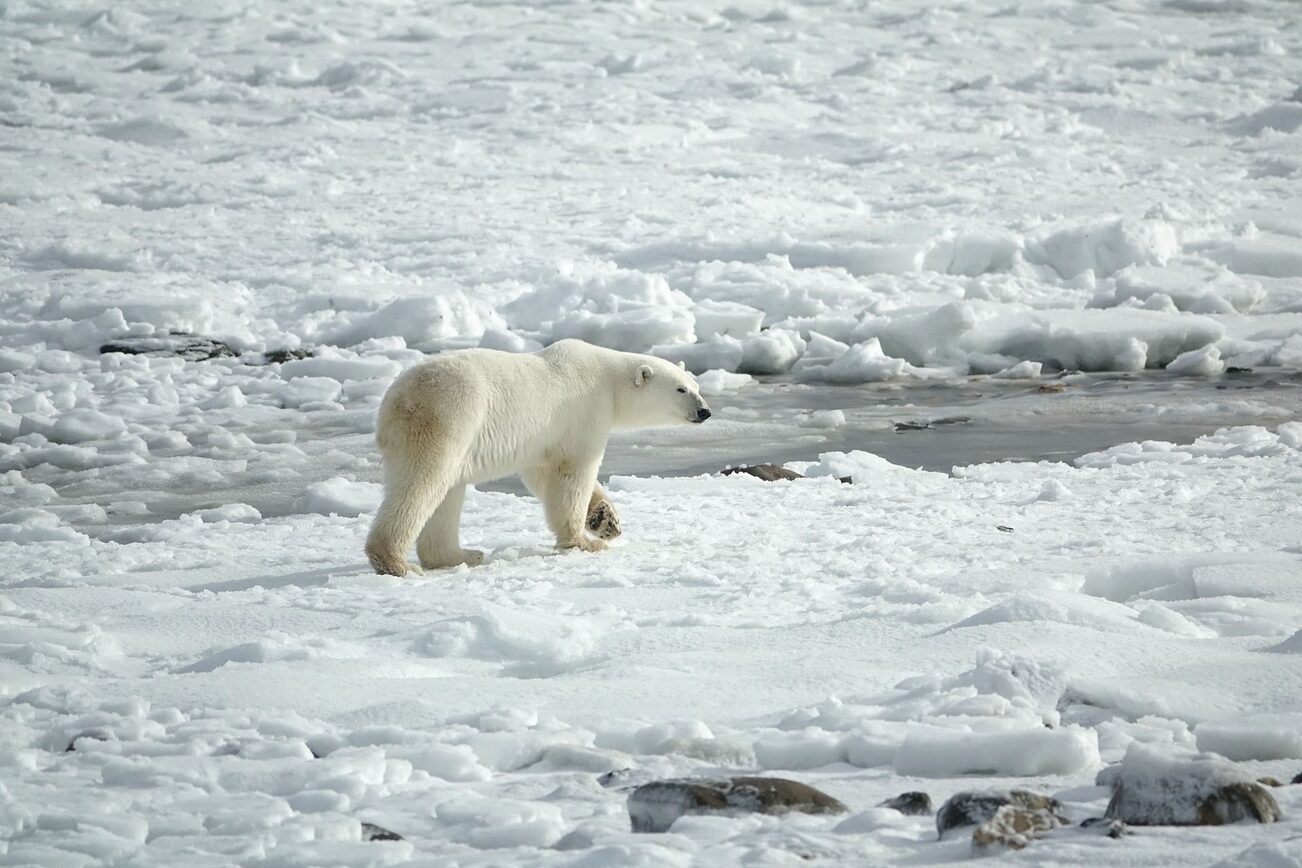
How pleasant it is that car windows have hardly been dirty with insects in recent summers, right? This is where the decline in insects suddenly becomes visible, even if you are not particularly interested in creepy-crawlies. The decline in common bird species such as starlings, house sparrows, and chaffinches is also worrying. At the end of 2018, the Federal Agency for Nature Conservation announced that 30 percent of wild plants in Germany are endangered. In 25 to 30 years, the North Pole will be completely ice-free in summer. As a result, polar bears will lose their habitat, sea levels will rise sharply, and permafrost soils will thaw. This will make affected locations uninhabitable for humans, even those further away from the Arctic.
Changes such as those described above are not immediately apparent because they are based on complex causes and their effects occur at different times and in different places. As in the case of polar bears, they are usually irreversible! What is certain is that human influences and the intensive use of nature are causing species to become extinct at a dramatic rate worldwide. And this is where another term that needs to be explained comes into play. The majority of "ecosystems" and the services they provide for us have been more severely impaired in recent decades than ever before.
Yet we are obliged by the Basic Law (Art. 20 a) to protect our natural resources and preserve them for future generations. In addition to these ethical considerations, we should realize that we are completely dependent on nature.
The explanation is that only through the intact interaction between living beings, within their habitat and in exchange with inanimate nature, can numerous services be provided for us humans. Such "ecosystem services" include, for example, the pollination of flowering plants by insects or the storage of carbon by trees. Every living being has its place and is dependent on others. When species and habitats die out, the wheels come to a standstill. This leads to climate change, less food being available, and good soil, clean air, and drinking water becoming limited.
With the Mainz Biodiversity Strategy, a charm offensive for more nature in Mainz has been underway since this spring. It shows the goals and measures planned for many public locations and areas to promote nature—also as a basis for life.
Living sustainably and preserving biodiversity
For a livable environment and nature, it is worth acting sustainably and preserving biodiversity. At the Mainz Environmental Store, you can obtain specific information and brochures with tips for everyday life:
Drinking water: Where does Mainz's drinking water come from? It is precious, so be careful not to waste it unnecessarily.
Wastewater treatment is costly. Use environmentally friendly products for personal hygiene and washing textiles. Rubbish, food scraps, and harmful substances do not belong in the toilet.
Waste: Separate, dispose of, and recycle correctly. We support you in minimizing waste and avoiding packaging.
Energy: In many cases, renewable energies are an alternative to fossil fuels. We show you how you can save energy in your household.
Mobility: Walk more, use public transportation, or ride your bike.
Food: The regional and seasonal food supply is rich and often organic. Fair trade products are also sustainable. Proper storage and processing prevents food from being thrown away.
Consumer goods: Make sure that these are durable, recyclable, and repairable. Also consider buying used items or sharing devices with others.
Leisure activities: We have suggestions for nature-based excursions, hikes, and bike tours.
Garden and balcony: Use native plants to design your garden in harmony with nature. This allows you to actively create habitats and avoid the use of pesticides and herbicides.
Corporate culture, corporate social responsibility (CSR): More and more employers are committed to environmental protection or the well-being of their employees in a variety of ways.
Commitment to sustainability and biodiversity: We can put you in touch with associations, clubs, and networks where you can get actively involved.
In the Mainz Biodiversity Strategy, you will find many projects that are currently being implemented in the state capital, see link list.
Further information:
- The 17 Sustainable Development Goals (opens in a new tab)
- Background Biodiversity (opens in a new tab)
- Federal Agency for Nature Conservation: National Strategy on Biological Diversity in Germany (opens in a new tab)
- Biodiversity Strategy Mainz - Implementation of measures 2020 - 2025 (opens in a new tab)
Contact us
Address
Environmental store
Mainzer Umweltladen
Steingasse 3
55116 Mainz