
Solar modules for the balcony
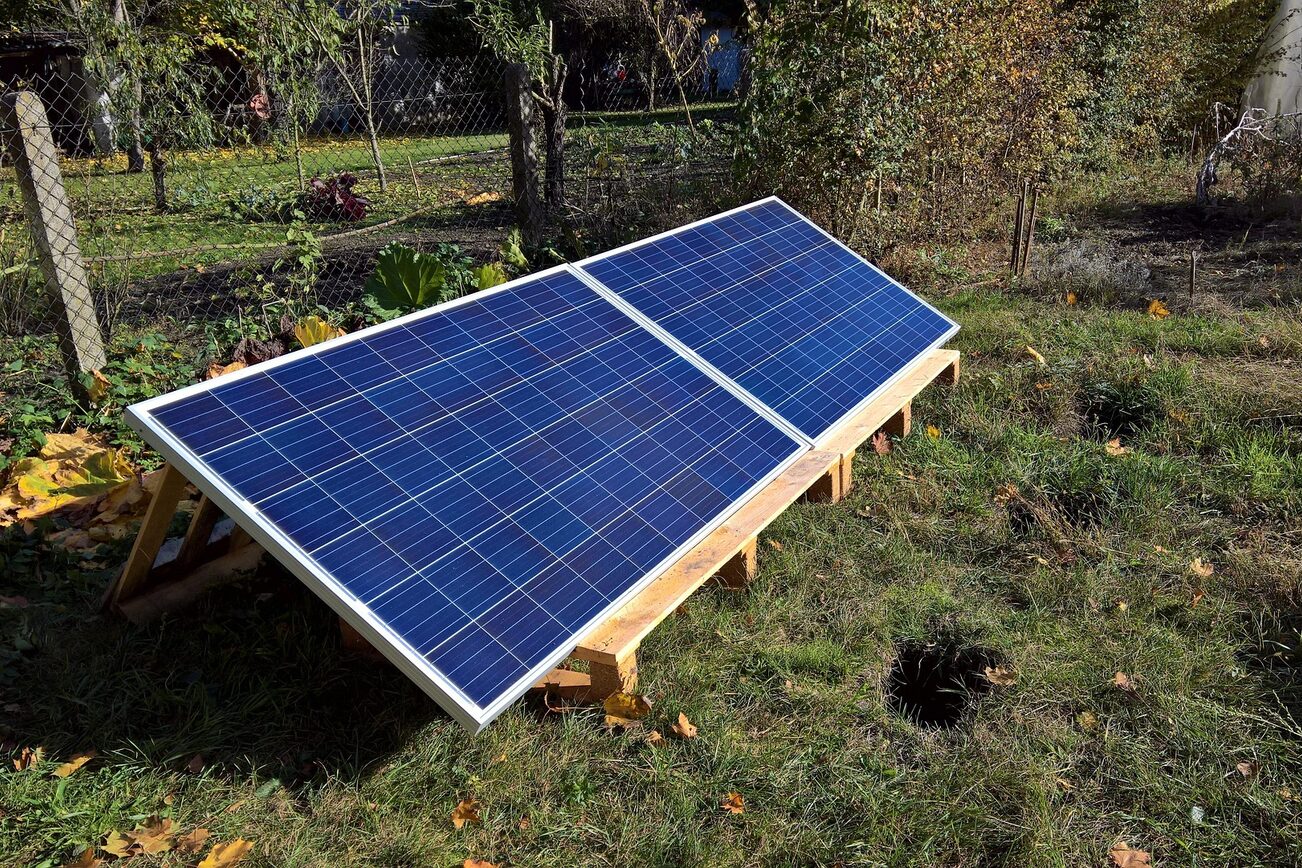
How a plug-in solar device works
Do you dream of reducing your electricity costs as a tenant by generating your own electricity? Then find out whether you can install a plug-in solar device on your balcony. It consists of one or two solar modules and produces direct current from sunlight, which is converted into alternating current by an inverter. To do this, the device is connected directly to an existing electrical circuit in the apartment via a plug. Your appliances, such as your TV, refrigerator, and washing machine, which are plugged into other sockets in your home, are then connected to this circuit. When solar power is generated, it can be consumed directly. Your electricity meter will now run slower because less electricity is being drawn from the public grid. If the electricity from the balcony is not sufficient to operate your household appliances, electricity from the utility company will flow in from the grid.
Difference to the photovoltaic system
Such mini solar systems have an output of up to 600 watts (inverter output) and, unlike photovoltaic systems, can be installed and removed by the owner, e.g., when moving house. The output of photovoltaic systems for private households is usually between 3 and 20 kilowatts (kWp). They consist of several components, the installation and maintenance of which must be carried out by a specialist company, which also handles the necessary technical inquiries and registrations with the local electricity grid operator. The PV system is permanently installed for continuous operation and is significantly more expensive to purchase.
Who are plug-in solar devices suitable for?
The plug-in solar device is suitable for apartments with a balcony or terrace. Roof areas above the apartment or exterior wall surfaces are also suitable. Areas that are permanently shaded, e.g., by trees, buildings, etc., are unsuitable.
As a rule, you use one or two standard solar modules (measuring approx. 1 x 1.70 meters), each with a nominal output (= maximum output) of around 300 to 400 watts. Alternatively, smaller, lighter solar modules are also available, which are easier to attach to balcony railings, for example. These have an output of 50 to 150 watts, and 2 to 4 of them can be connected to a module inverter.
Costs and benefits
The cost of a plug-in solar device with one module (300–400 watts), inverter, and cable with plug is approximately $400 to $500.
The Rhineland-Palatinate Consumer Advice Center states that a standard solar module with an output of 400 watts, installed on a south-facing balcony without shade, delivers 364 kilowatt hours of electricity per year in Mainz. This reduces your electricity consumption by approximately the same amount if you can use the electricity directly in your household. For a 3-person household with an annual electricity requirement of 2,500 kWh, the solar yield amounts to around 12 percent of the annual household electricity requirement. With electricity costs currently on the rise, it can therefore be worthwhile to consume self-generated electricity. In addition, you are doing something good for the environment, as the mini solar system saves approximately 2.5 tons of CO2 emissions over 20 years.
The average yield of solar power depends on the amount of radiation available at the location, the nominal power of the modules, their orientation to the sun, and the type of installation (flat, elevated, vertical on the facade). The optimal installation is south-facing with a module inclination of 30 to 60 degrees. Shading, even if only temporary, can significantly reduce performance.
Electricity meter and registration of the generating system
The plug-in solar device could cause excess electricity to flow into the grid, causing conventional electricity meters with mechanical dials to run backwards because they are not equipped with a backstop. In this case, the grid operator will replace the conventional meter free of charge with a modern electronic meter, also known as a modern measuring device (mME).
German grid operators require that all generation systems, regardless of their output, be registered with them. You must enclose a data sheet for the inverter used with the registration, which shows that the device meets the requirements for grid connection (declaration of conformity).
You are also required to register your mini solar system in the market master data register of the Federal Network Agency. All systems and units in the German energy system are listed there.
A few more tips before buying
Estimate the cost-effectiveness of your planned plug-in solar device in advance. To do this, take advantage of an energy consultation service, e.g., through your consumer advice center. The plug-in solar simulator from the Berlin University of Applied Sciences is also helpful; see the list of links below.
For rented and owner-occupied apartments, you will usually need to obtain the consent of the landlord or the owners' association.
Have the suitability of the building's electrical installation checked by a qualified electrician to determine whether fuses need to be replaced and whether the cables are sufficiently dimensioned and state-of-the-art.
You can purchase a plug-in solar system from a specialist photovoltaic retailer. Market overviews can be found at the link to suppliers listed below.
Only buy devices that are ready to connect and make sure that the manufacturers of the plug-in solar devices comply with the DGS safety standard (DGS 0001:2019-10).
The inverter must include a declaration of conformity in accordance with VDE AR 4105. Only then may it be operated on the power grid and connected without a qualified electrician.
The German Solar Energy Society (Deutsche Gesellschaft für Sonnenenergie e.V.) has compiled a list of the most important questions to ask when purchasing a plug-in solar device; see the list of links below.
Further information
Contact us
Address
Environmental store
Mainzer Umweltladen
Steingasse 3
55116 Mainz