
Mold growth in the home
Environmental tip from the Mainzer Umweltladen
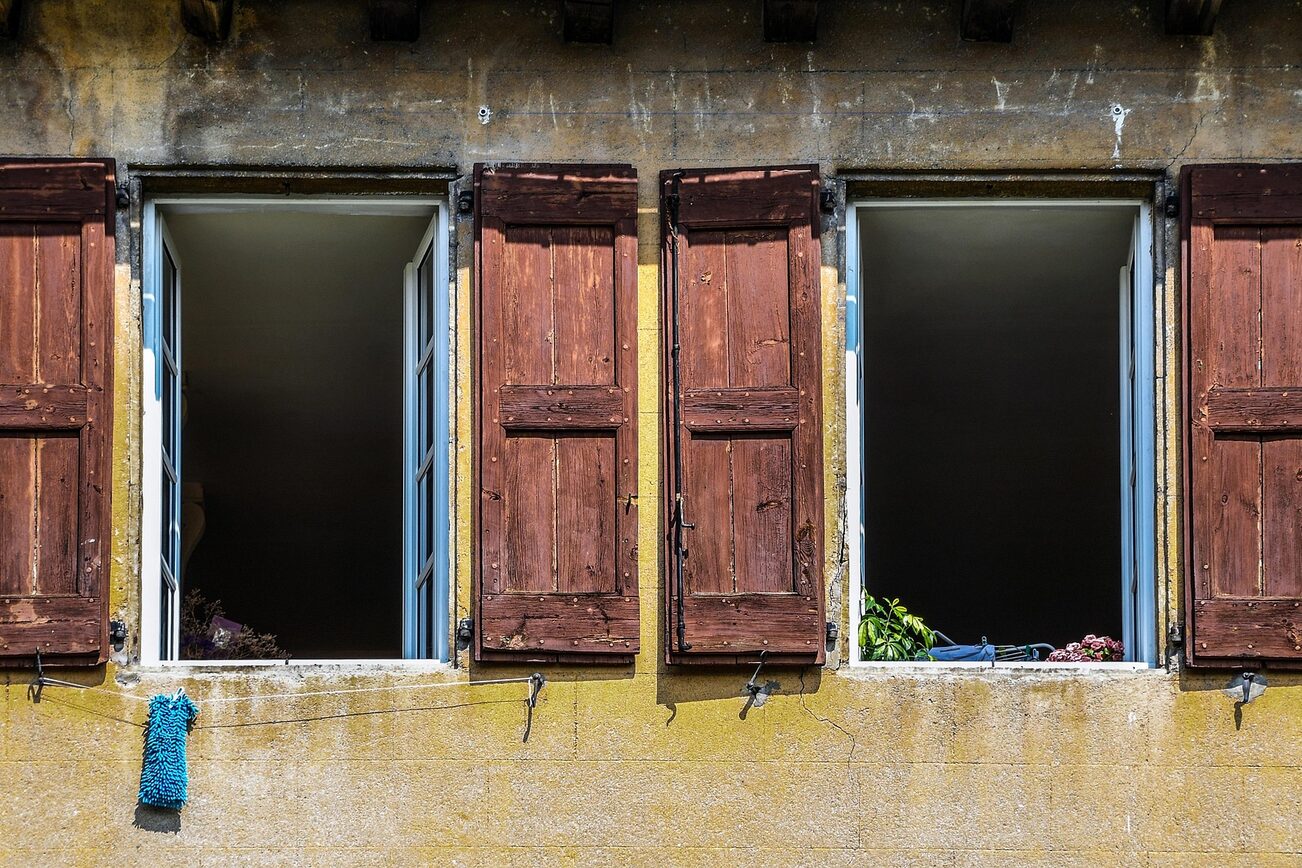
Mold contamination in the home is often taken lightly. However, the stains on the walls, in the bathroom, or behind cabinets are not only unsightly, but they can also be harmful to your health. Fungi are a classic indoor allergen. When mold spores accumulate, they put strain on the immune system and can trigger allergies, such as skin reactions, burning eyes, and headaches.
Where can mold form?
Mold forms quickly in poorly ventilated and cold rooms and anywhere where there is a lot of moisture (condensation). Warm, humid air from cooking, showering, or drying laundry condenses on windows and colder parts of buildings, such as poorly insulated exterior walls, room corners, and window lintels.
How can mold be removed in an environmentally friendly way?
The effectiveness of commercially available products is largely based on chlorine compounds, sulfur-nitrogen compounds, or organic tin compounds. Although these products work quickly and effectively against mold, their ingredients can be just as harmful. Proven household remedies such as rubbing alcohol, vinegar essence, or soda lye are environmentally friendly alternatives.
These products are particularly effective in the early stages. If the mold infestation is more advanced, high-proof alcohol or a sal ammoniac solution can help. Soak a brush or cloth with the respective product and rub the affected areas (several times if necessary). Protect your eyes and mucous membranes and open the window to ensure that the room is well ventilated. If there is mold on the wallpaper, it must be removed. Treat the substrate as described above. Fabrics such as bed covers must be cleaned or washed. If mattresses or upholstered furniture are extensively affected, replacement may be advisable.
How can mold be prevented?
Never let rooms cool down completely. In the long term, the temperature should never fall below 16-18°C. The bathroom in particular should be heated so that the walls do not cool down too much. Furniture keeps warm air away from the exterior walls. It should therefore be placed at least 5 cm, or better 10 cm, away from exterior walls. Allow air to circulate from below by placing cabinets on small pedestals. Also pay attention to the humidity in the rooms. It should never exceed 60%. You can check this using an electronic weather station with a hygrometer.
Indirect heating has a particularly negative effect. If you leave the doors between heated and unheated rooms open, the moisture from the warm air condenses on the cold walls of the unheated rooms. Ventilate briefly but thoroughly several times a day. To do this, open all windows so that the warm, humid air inside is replaced by cold, dry air from outside. A brief draught is best, as this ensures that the wall surfaces do not cool down too much.
More info
Contact us
Address
Environmental store
Mainzer Umweltladen
Steingasse 3
55116 Mainz