Welcome to the Weisenau district
In Weisenau, you are right next to the Rhine and industry. On this page, we introduce you to the district with the charm of a fishing village and offer practical links for life in Weisenau - from the children's city map, events, day-care centers and senior citizens' guide to the district market and the local administration.
District portrait
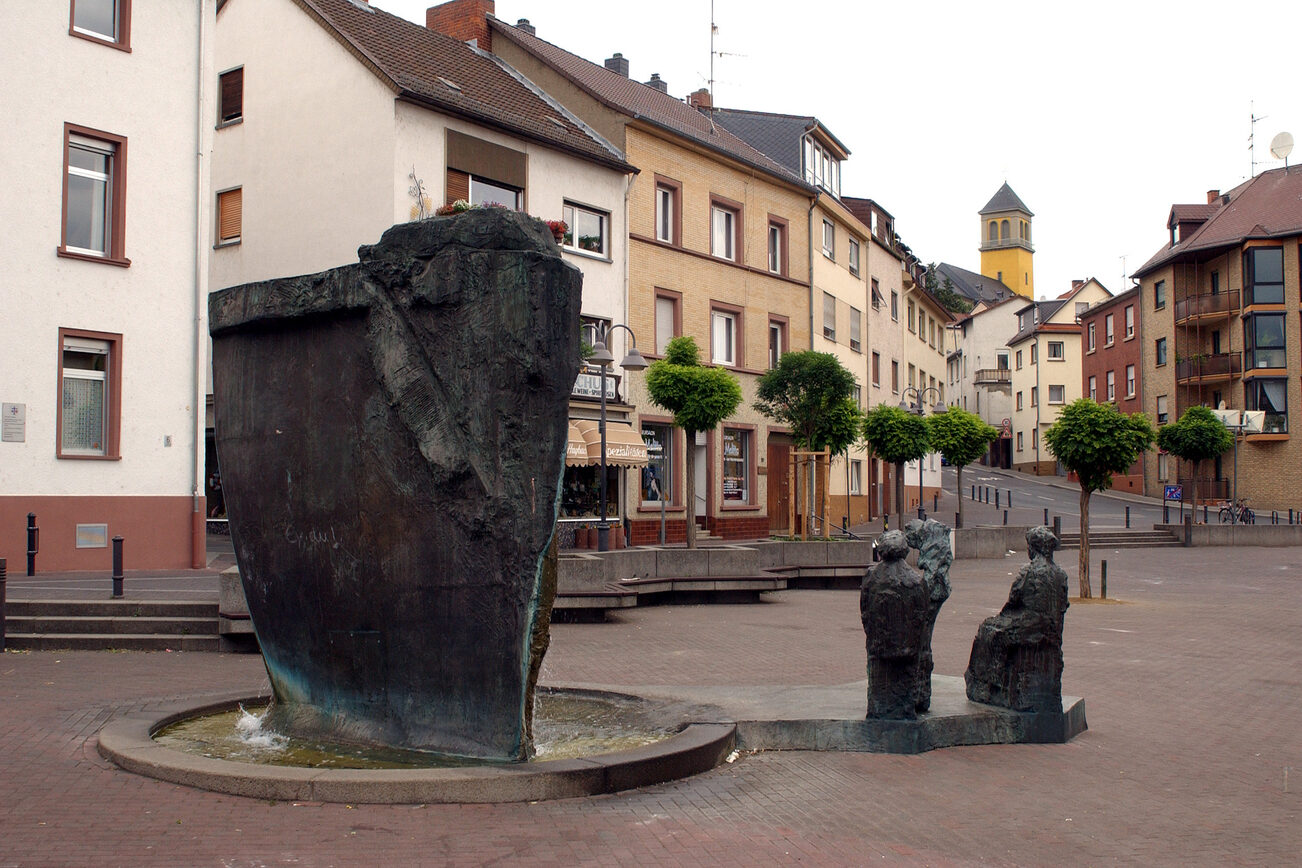
Located directly on the Rhine, the old town center of Mainz-Weisenau is reminiscent of a fishing village. And indeed, for centuries, fishermen and ferrymen lived here alongside winegrowers. Then as now, narrow alleys wind their way up the hill to the Catholic Church of the Assumption, the landmark of Mainz-Weisenau. From here, you have a magnificent view over the Rhine and the green opposite bank.
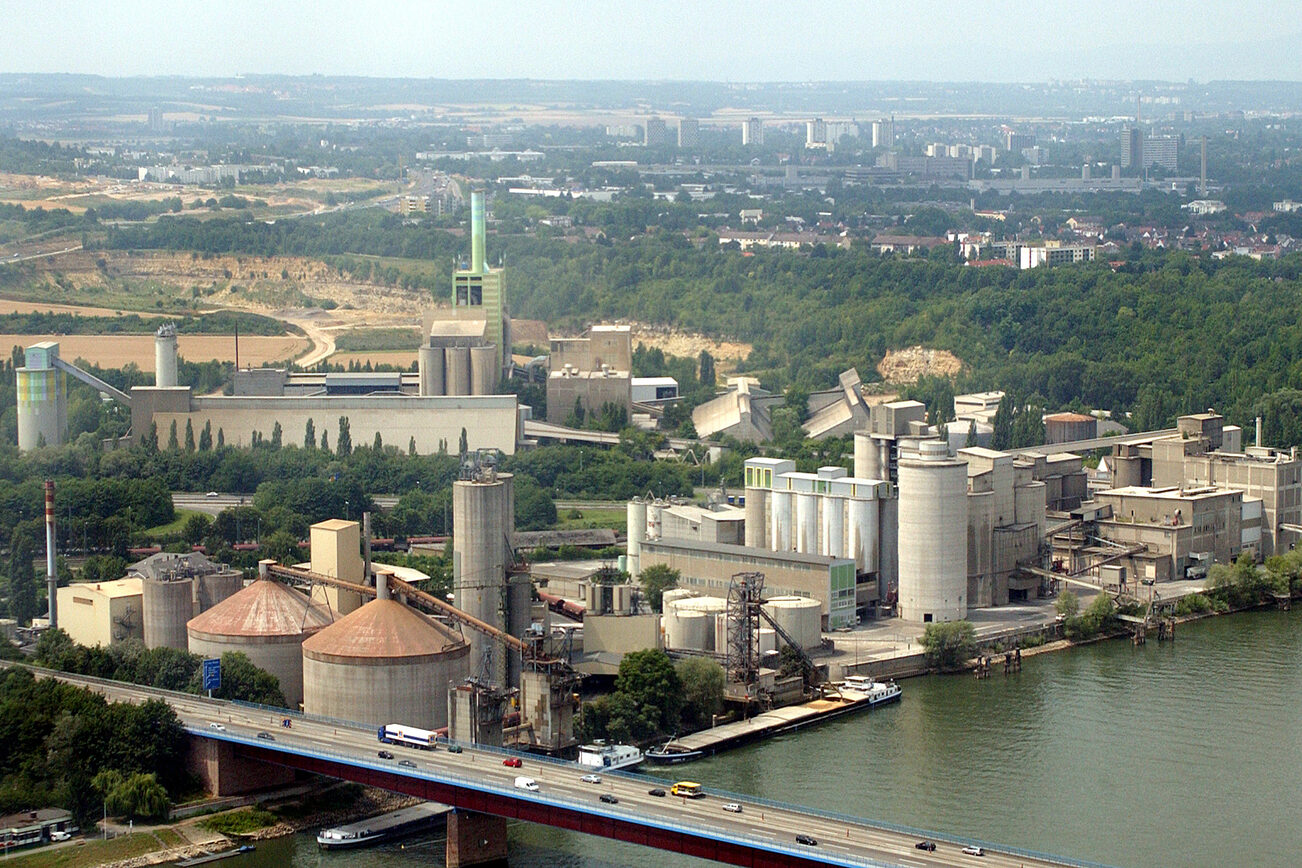
However, despite its village structure, Mainz-Weisenau has not been left untouched by industrialization. In the mid-19th century, a cement factory was established in the southeast. Other companies and businesses quickly followed, thanks in particular to the good transport links to the railway, motorway and, of course, shipping. The ancient Celts and Romans already took advantage of the favorable location. They settled in the hills (today's Portland cement works) a good 2,000 years ago. However, it was not really new. Finds of graves and shards suggest that people must have lived here as early as the Stone Age. Mainz-Weisenau was first mentioned in a document in 1192 as "Wizinove."
Numerous relics from Roman times can now be found in the Mainz State Museum, including the original gravestone of the boatman Blussus and his wife Menimane. They indicate that there must have been a civilian settlement in Mainz-Weisenau in addition to a military camp. The burial road discovered on today's Bettelpfad sheds light on the organization and rituals of the Romans. It ran along the path that connected the Weisenau military camp with the one on the Kästrich. The unusual burial of their dead along particularly busy roads can be explained by the Romans' desire not to be forgotten: passers-by were to see the graves and remember the dead.
In addition to the Catholic and Protestant churches, Mainz-Weisenau also has a Jewish synagogue built in 1735/36 in the Baroque style, which is now a listed building. It bears witness to a Jewish community that lived here from the 15th to the early 19th century. During excavations, two unique ritual bathing places, known as mikvahs, were discovered inside the synagogue.

Over 10,000 people live in Mainz-Weisenau today. They appreciate the district's location in close proximity to Mainz city center and its good infrastructure with kindergartens, schools, and shopping facilities. But Mainz-Weisenau's appeal lies not least in its numerous clubs and associations. They enrich musical, cultural, sporting, and social life in many ways. The heart of Weisenau beats on the Tanzplatz. This is where popular festivals such as the Blussus Fest and the Weisenauer Kerb take place. They are a warm invitation to get to know the special charm of this district.
Living in Weisenau
- Events in Weisenau
- District market in Weisenau
In addition to the main market in the city center at the cathedral on the Tanzplatz.
- Clubs in Weisenau
- Children's city map for Weisenau
- Daycare centers in the Kita-Kompass
- Senior citizens' guide for Weisenau (addresses)PDF-File717,95 kB
- Senior citizens' guide for Weisenau (map)PDF-File730,63 kB
- District library (opens in a new tab)
An offer from the Public Library - Anna Seghers
- Local administration in Weisenau
Note
Some districts offer private websites where you can find further information about local life. However, the city of Mainz accepts no responsibility for the accuracy or timeliness of this information.