
Sand birch
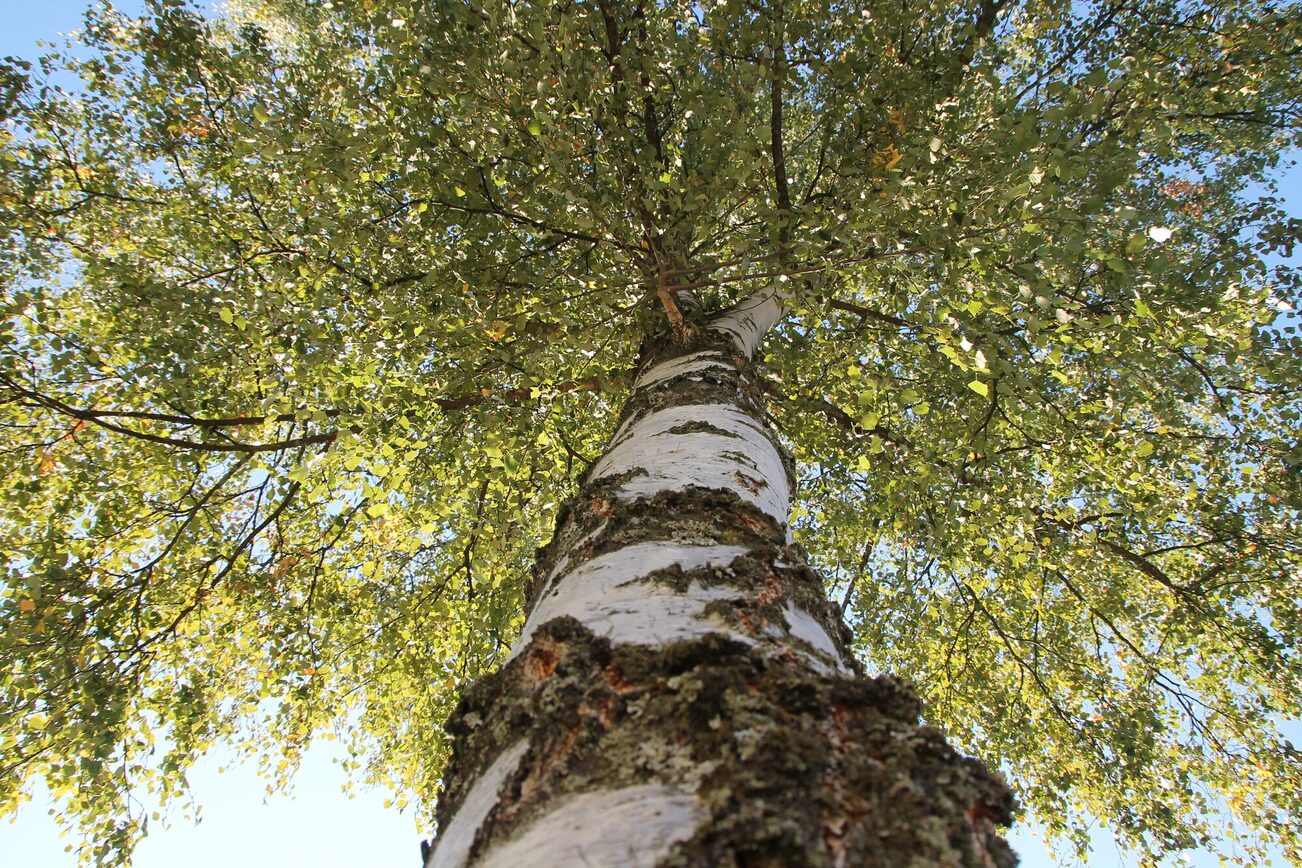
The sand birch, also known as white birch, is found throughout Europe and Siberia, with the exception of northern Scandinavia. With its striking white bark and black longitudinal cracks, it is one of the most striking and attractive trees in our latitudes, especially in winter. The side branches hang down from the widely spread main branches. With age, the hanging appearance becomes even more pronounced, giving the old trees an almost picturesque look.
Unlike other deciduous trees, birches do not tolerate pruning very well. Any measures to shorten the tree, especially the top, should therefore only be taken in extreme emergencies.
- Origin: Europe, Siberia
- Growth height: 20–30 meters
- Leaves: long and pointed; triangular to diamond-shaped; light green; double-serrated edges; bright yellow autumn color
- Flower: March–May; 5 cm long, hanging, green-yellow catkins
- Fruit: August/September, 2–3 mm nuts, in fruit catkins up to 5 cm long, thin-skinned and winged
- Soil/location: extremely undemanding
- Special feature: Sand birches are among the so-called pioneer trees, the "first colonizers." This means that they are among the first trees to attempt to colonize treeless areas such as fallow land, spoil heaps, or railway embankments, but also cracks in walls and sidewalks. Pioneer trees are characterized by rapid growth in their youth. To do this, they primarily need light, which is readily available to them in cleared areas.
In addition, they have virtually no requirements in terms of soil. Barren wasteland, compacted soil, and dry conditions do not prevent pioneer trees from establishing themselves. However, they are comparatively weak competitors, which is why they are displaced by other species as they mature.
Birches in particular are frost-resistant and wind-resistant. The variety Betula pendula "Tristis," the weeping birch, is a particularly popular tree for use in parks, cemeteries, and private gardens. It looks especially picturesque in stormy weather when its long, trailing branches dance in the wind.