Weisenau Synagogue
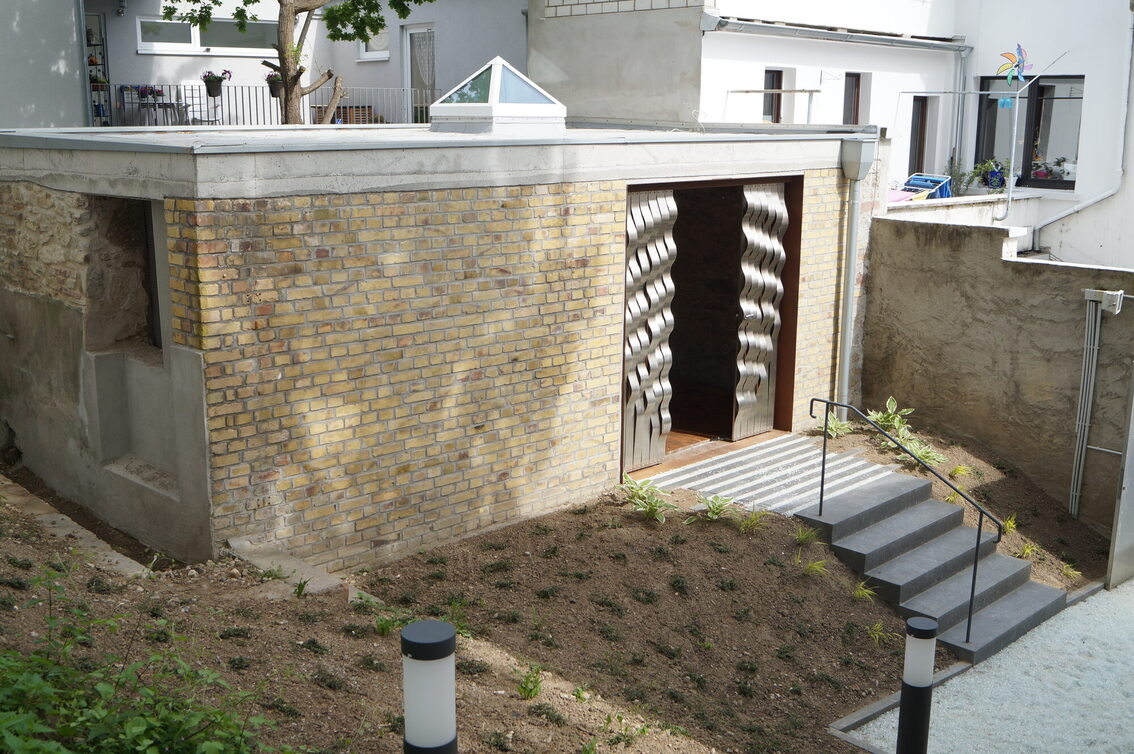
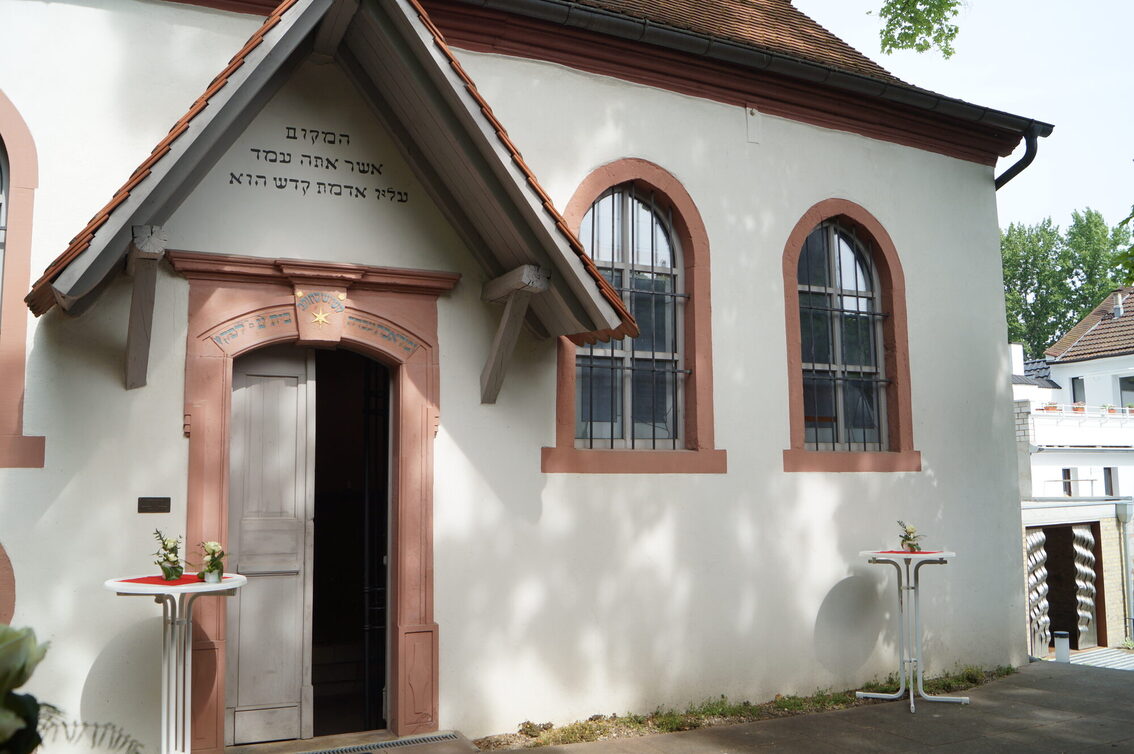
It is the only synagogue in Mainz that survived the Nazi era and the bombing raids and is the oldest surviving building in Weisenau.

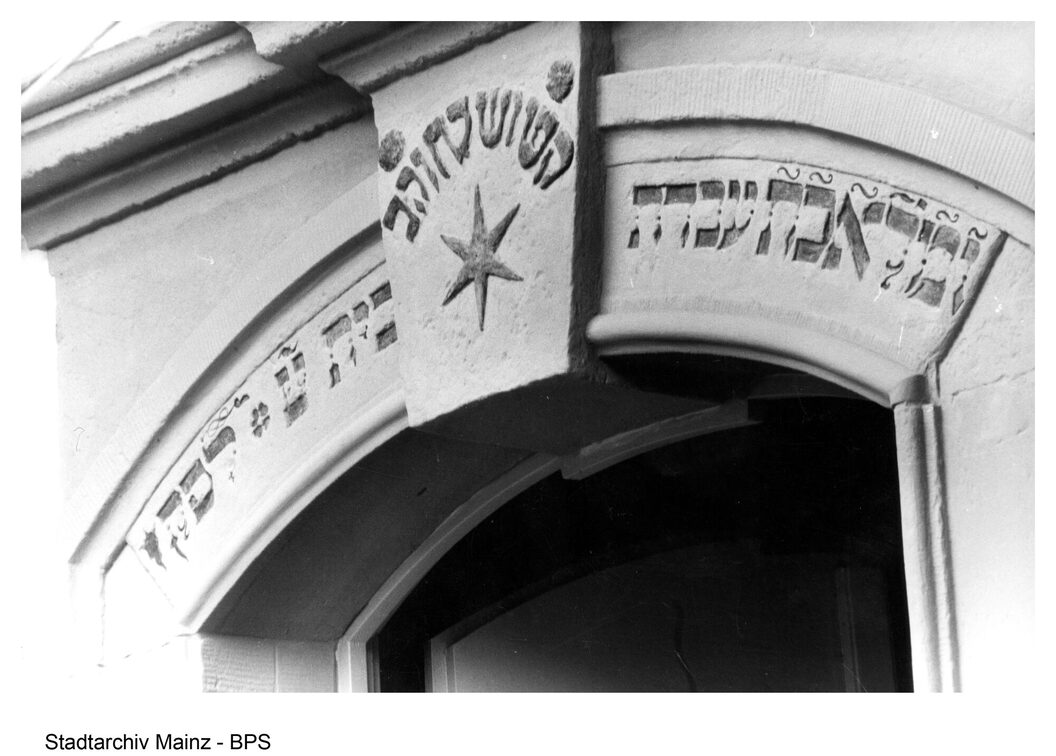
The synagogue in Mainz-Weisenau was built in 1737/38. Since the Jewish community in Weisenau made up almost a quarter of the village population in the 18th century, the synagogue was built on Wormser Straße.

During the siege of Mainz in 1793, the synagogue was severely damaged. It took 25 years for the damage to be repaired. During Kristallnacht in 1938, the Nazis looted and desecrated the Weisenau synagogue. However, they did not set fire to the building because they feared the flames would spread to neighboring houses. In 1940, the synagogue and the property were sold under duress and, in the postwar period, were misused as a shed and chicken coop.
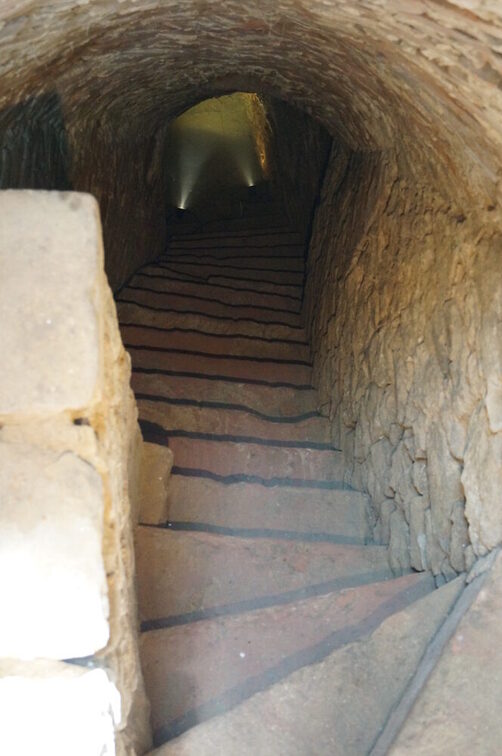
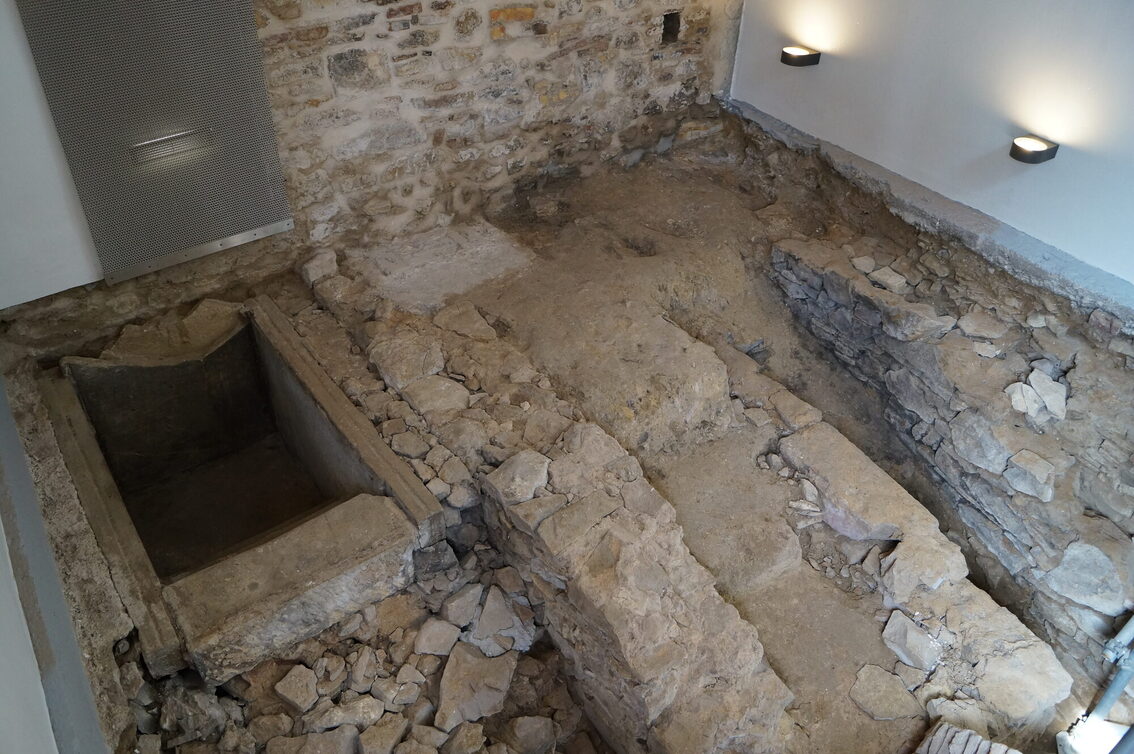
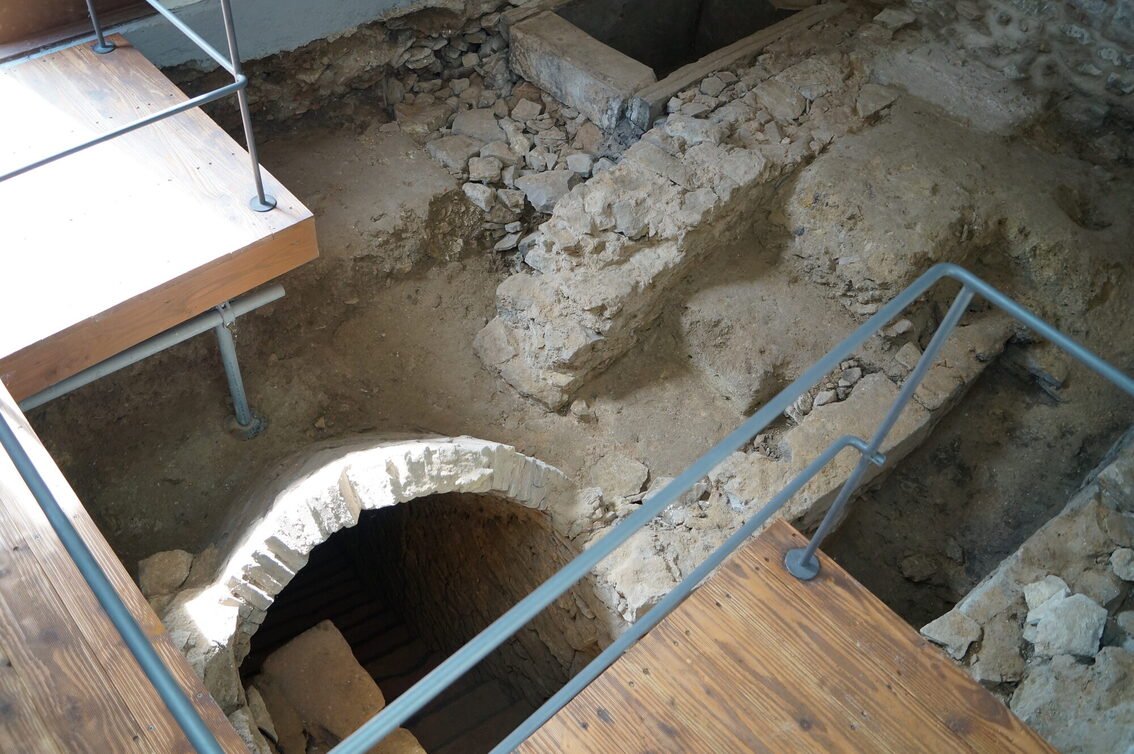
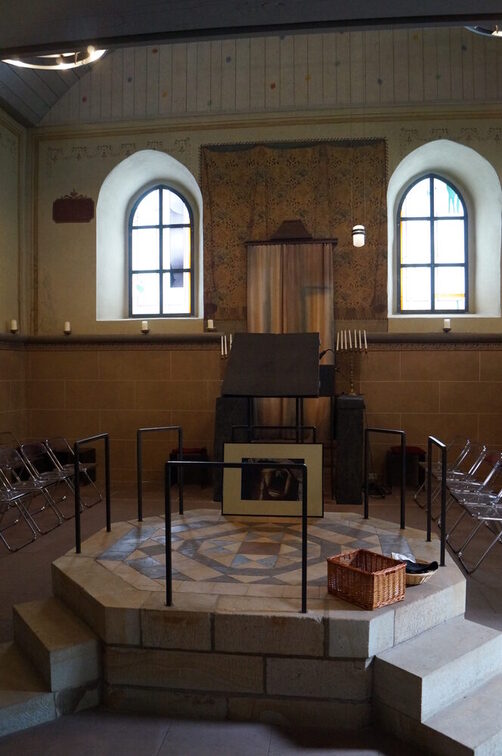
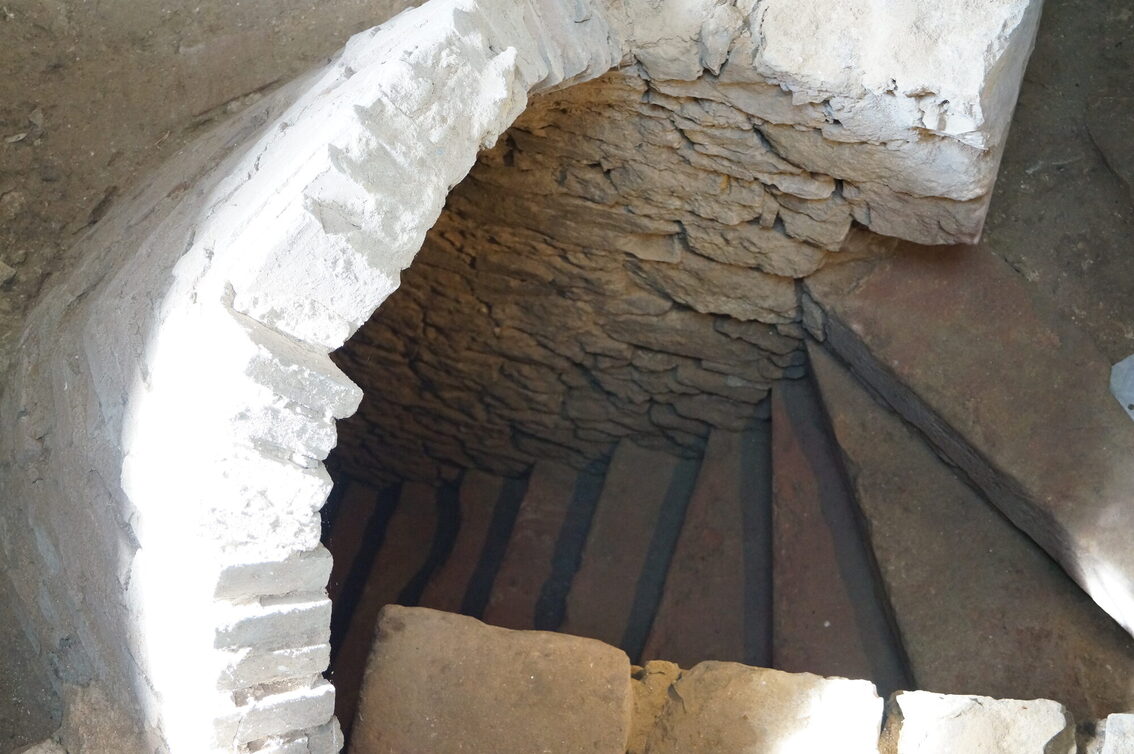
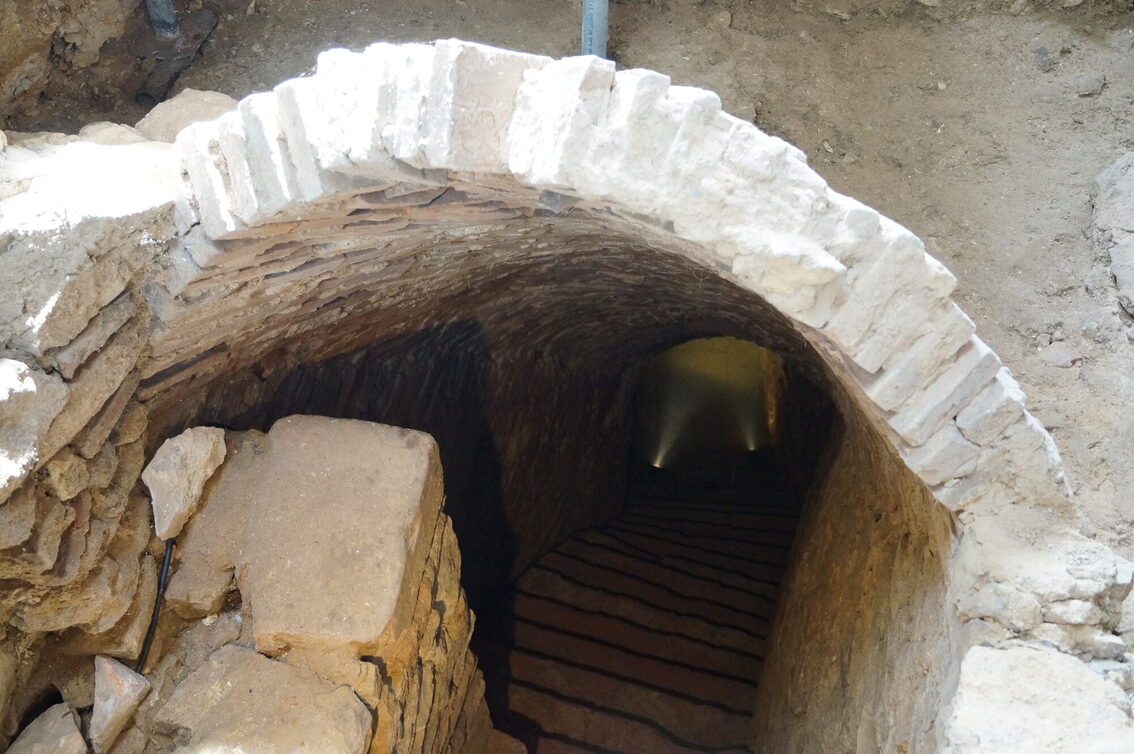
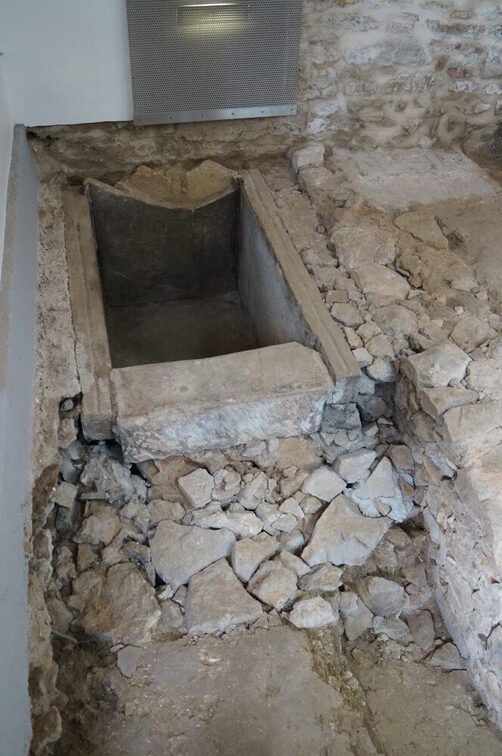
The synagogue fell into oblivion, and it was not until 1978 that the original significance of the building was recognized again through the exhibition "Jews in Mainz." The hidden building was listed as a historic monument, transferred to the state capital of Mainz, and restored with the help of a support association founded in 1993. The synagogue was inaugurated on May 27, 1996. Two mikvahs (ritual immersion
baths) dating from different periods were found in the forecourt of the synagogue. These mikvahs from the Baroque period and the mid-19th century make the Weisenau synagogue unique in Germany.
Please note: Visits to the Weisenau synagogue are only possible by appointment.
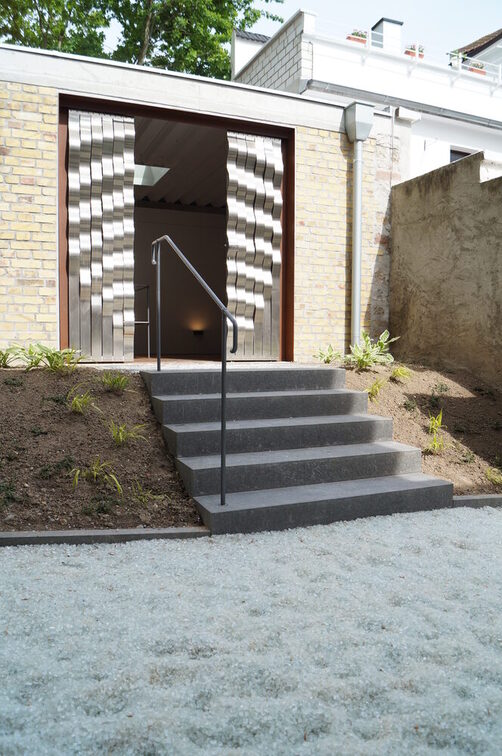
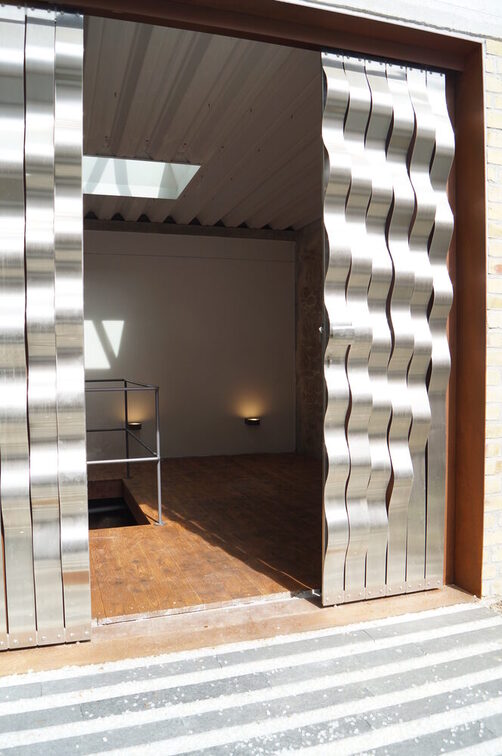
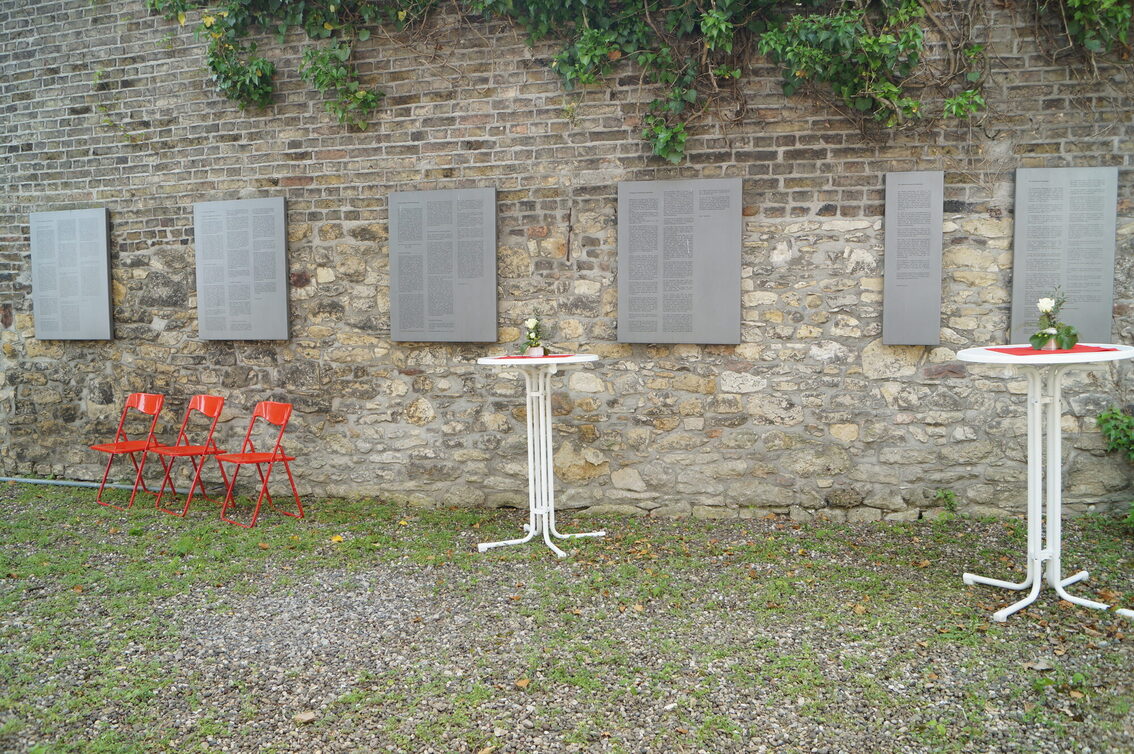
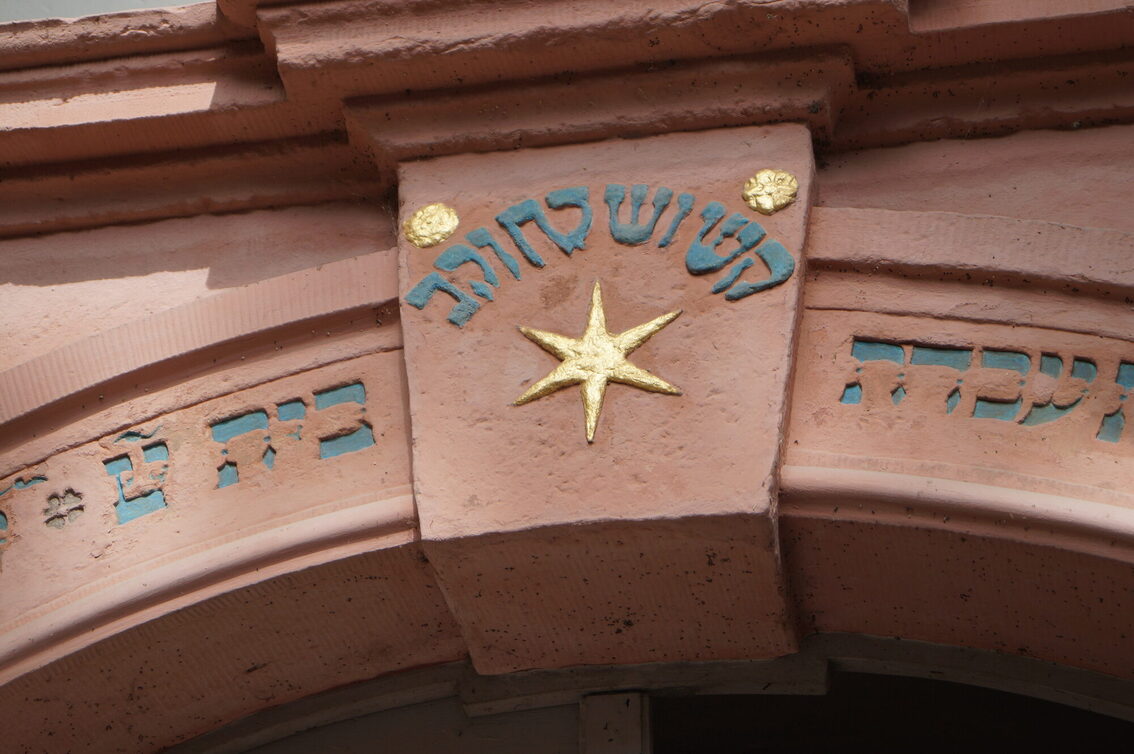
Picture gallery synagogue and mikvahs Weisenau
Further information
Contact us
Address
Synagoge Weisenau
Wormser Straße 31
55130 Mainz