
Blog "Gut Leben am Morstein"
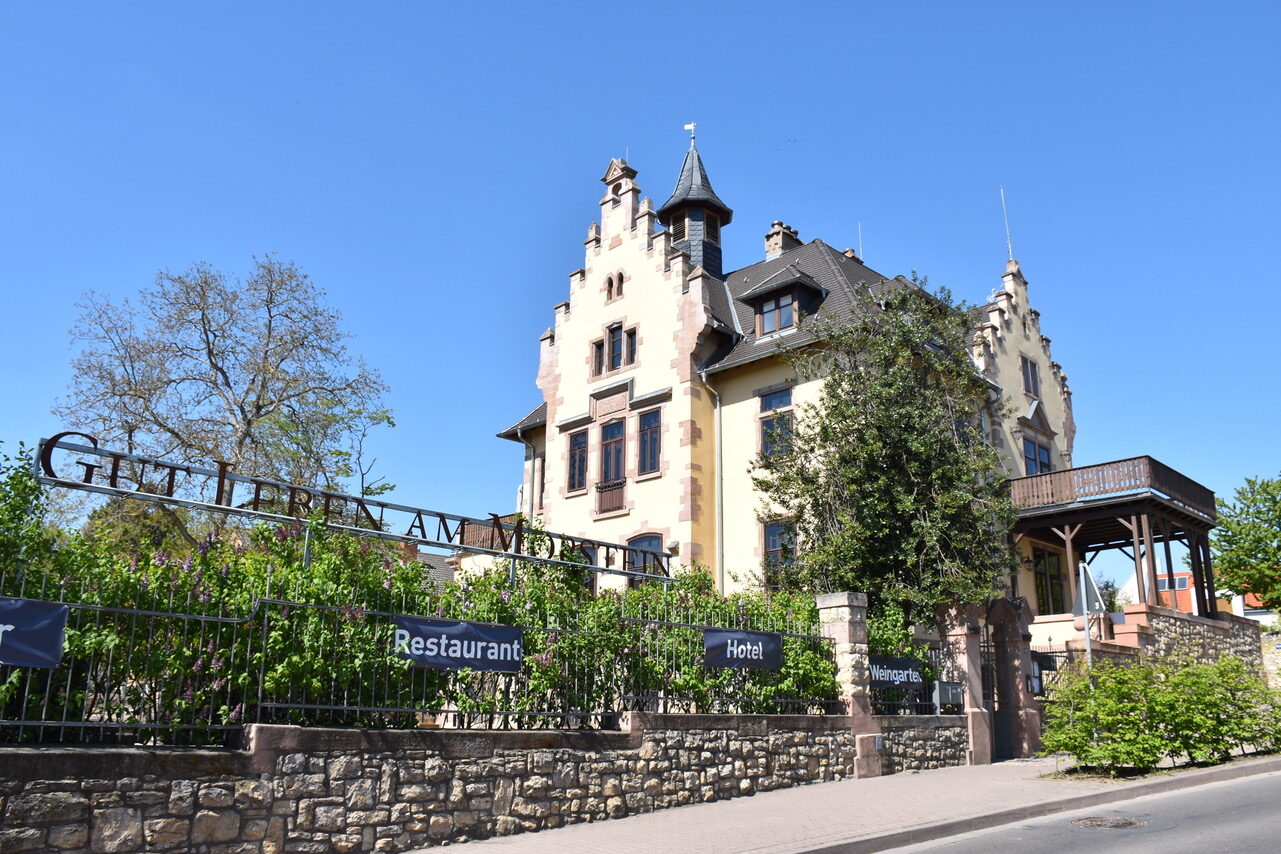
What does the perfect German winegrower's house look like? A half-timbered house with grapevines or a concrete block with solar panels? Built in 1899 in the historicist style, the winegrower's castle is neither one nor the other, but nevertheless a beautiful monument to German wine architecture.
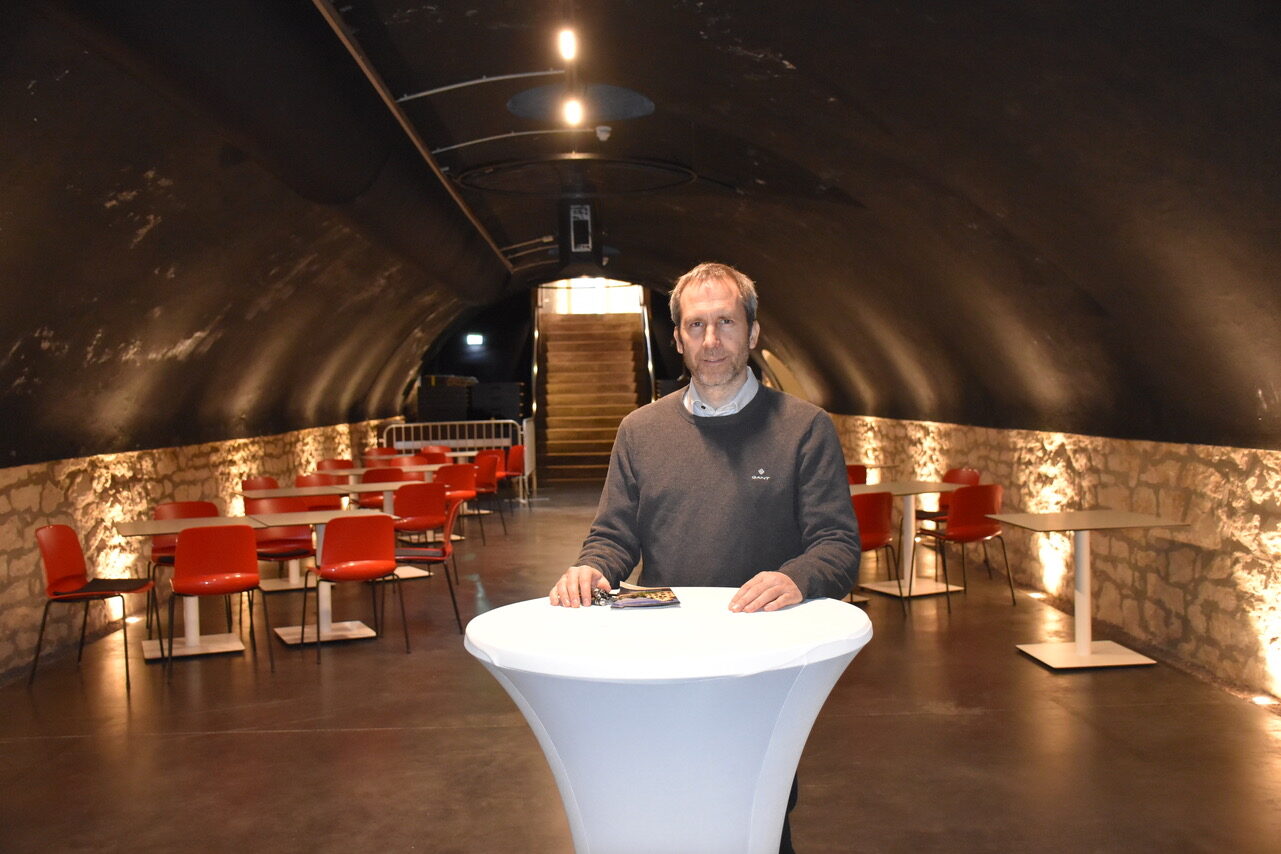
Living well in the Winzerschlösschen
No wonder that Stefan Spies fell in love with the property at first sight when he happened to see a picture of the building for sale in Westhofen. But the business economist, head of an advertising agency in Frankfurt with extensive experience with big brand names, immediately recognized the potential of the entire estate. When he discovered the small castle in 2012, it had been lying dormant for 30 years and had been uninhabited for 15 years: "Prince" Stefan awakened it to new splendor with his enthusiasm: "Time had stood still in the historic house, the inventory was still intact," he recalls. "I imagined all the things I could do with the entire ensemble!"
At the end of the 19th century, a wealthy winegrower from Rheinhessen had the building constructed outside the former village boundaries as a "beacon." The Mannheim architect Haldenwang designed a small castle with farm buildings, spacious gardens, and a wine cellar in the old moat. The architect was given free rein in the house and drew on various eras: elements from the Baroque, Wilhelminian, and Art Nouveau periods can be found here.
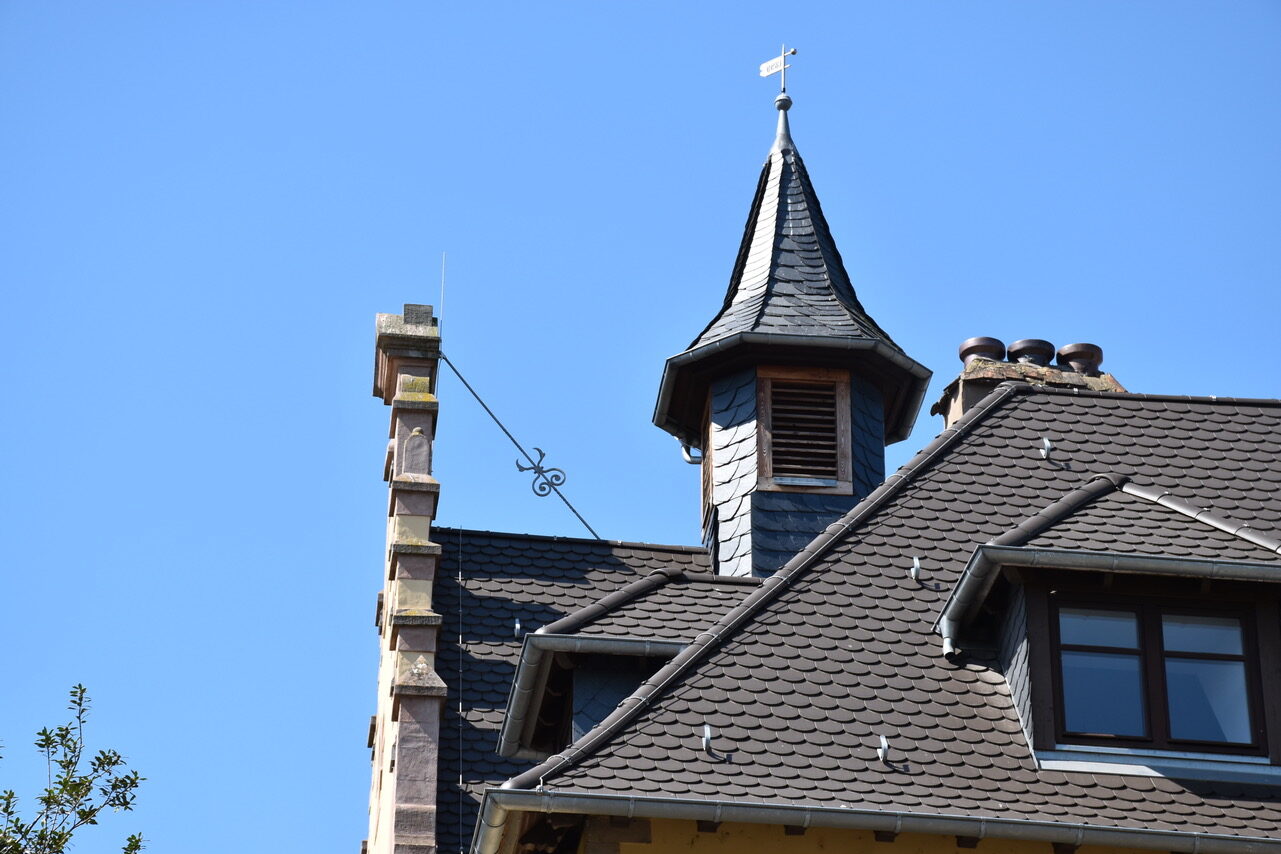
The extensive renovation took five years: from the roof to the basement, every effort was made to restore the building to its original condition. "We rebuilt the roof turret, which no longer existed, true to the original according to the building plans from that time," says the proud builder.

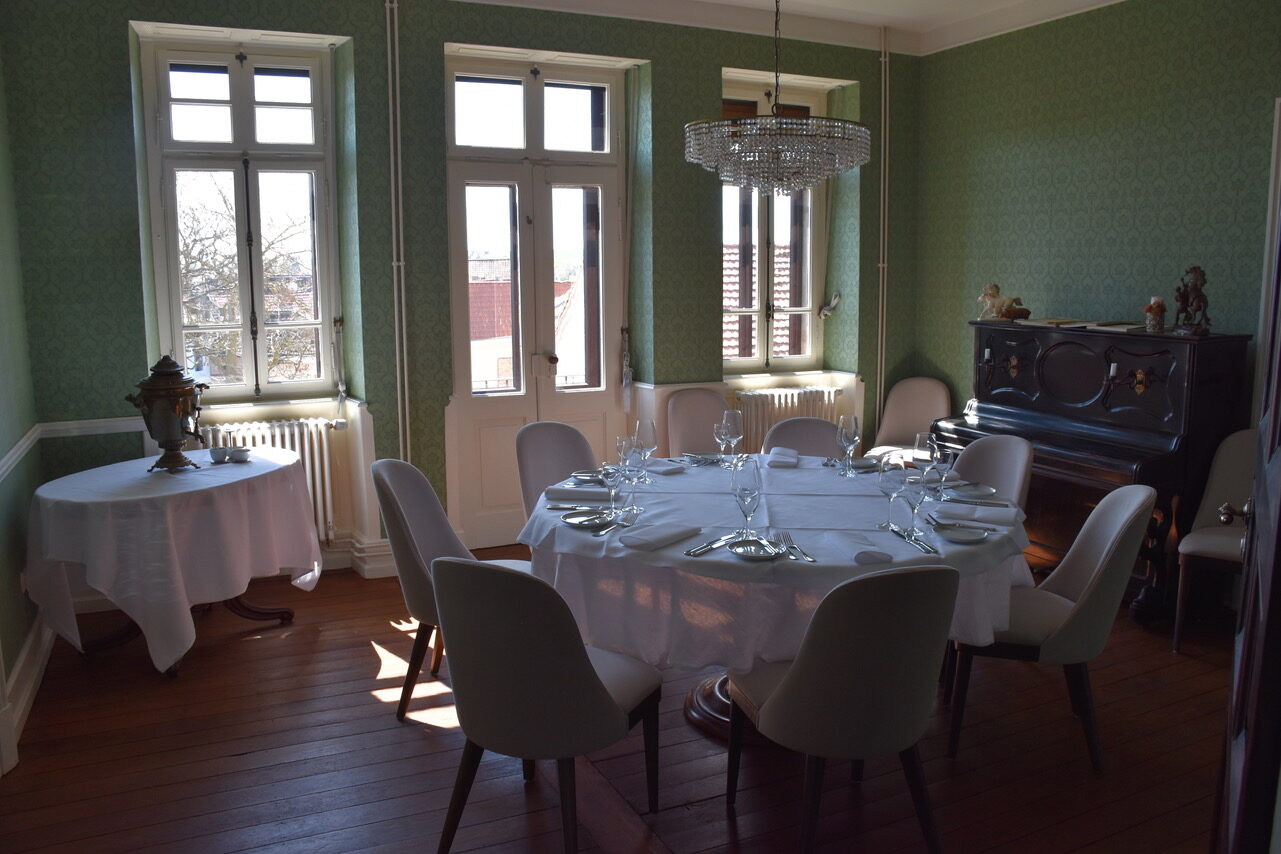
Three former children's rooms and the salon on the first floor impress with historic wallpaper and light switches from yesteryear – today they are used as banquet and conference rooms. The entrance hall on the ground floor with its original tiles is reminiscent of the reception areas of upper-class mansions. Attention to detail is evident throughout: the original tiles from the kitchen, which could no longer be used for occupational safety reasons, were carefully removed and laid in the restaurant toilet.
The restaurant, with its romantic bay window, exudes the spirit of the 19th century. Stefan Spies smiles: "At first, guests came mainly because of the architecture—now, of course, they also enjoy our cuisine!" The restaurant offers upscale home-style cooking with a strong focus on plant-based dishes. The theme of wine runs through the entire location: the vineyard belonging to the estate in the renowned Morstein location is leased, and only regional Rheinhessen wines are offered in the restaurant. In the outdoor area, Stefan Spies paid attention to the originally planned layout and division of the grounds. The vineyard and the wine arbor blend in harmoniously and create a cozy setting for outdoor dining.
Sustainability and mindfulness are part of "good living at Morstein": this applies to the use of materials in the conference buildings as well as to the installation of a combined heat and power plant. This unique event location is complemented by an appealing cultural program in the wine cellar and the adjacent hotel with 20 rooms in a former Rhine-Hessian farmstead: Stefan Spies has created an impressive total work of art centered around wine.
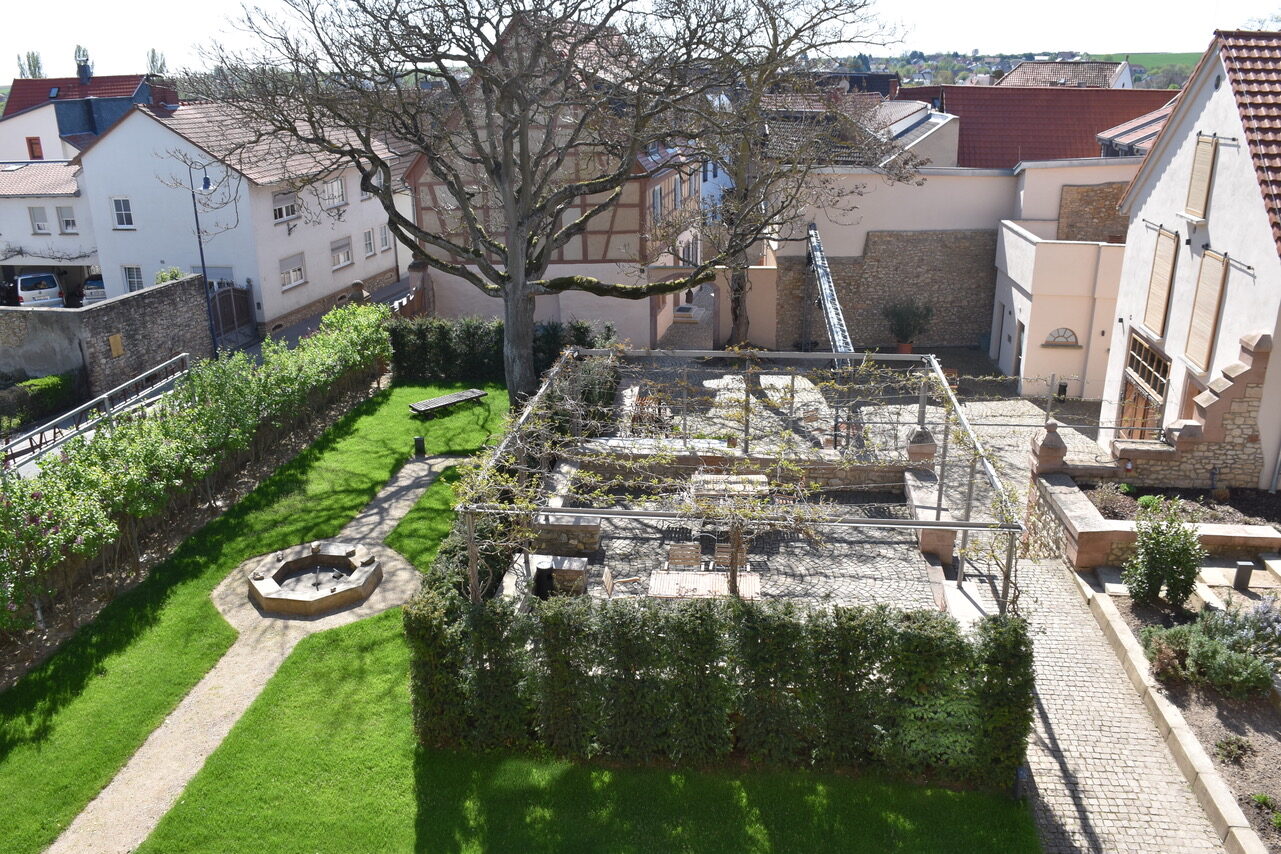
Gut Leben am Morstein more than earned the Great Wine Capitals Best of Wine Tourism Award 2022 in the "Architecture, Parks & Gardens" category with this beacon for wine tourism.