East Asia and Islam
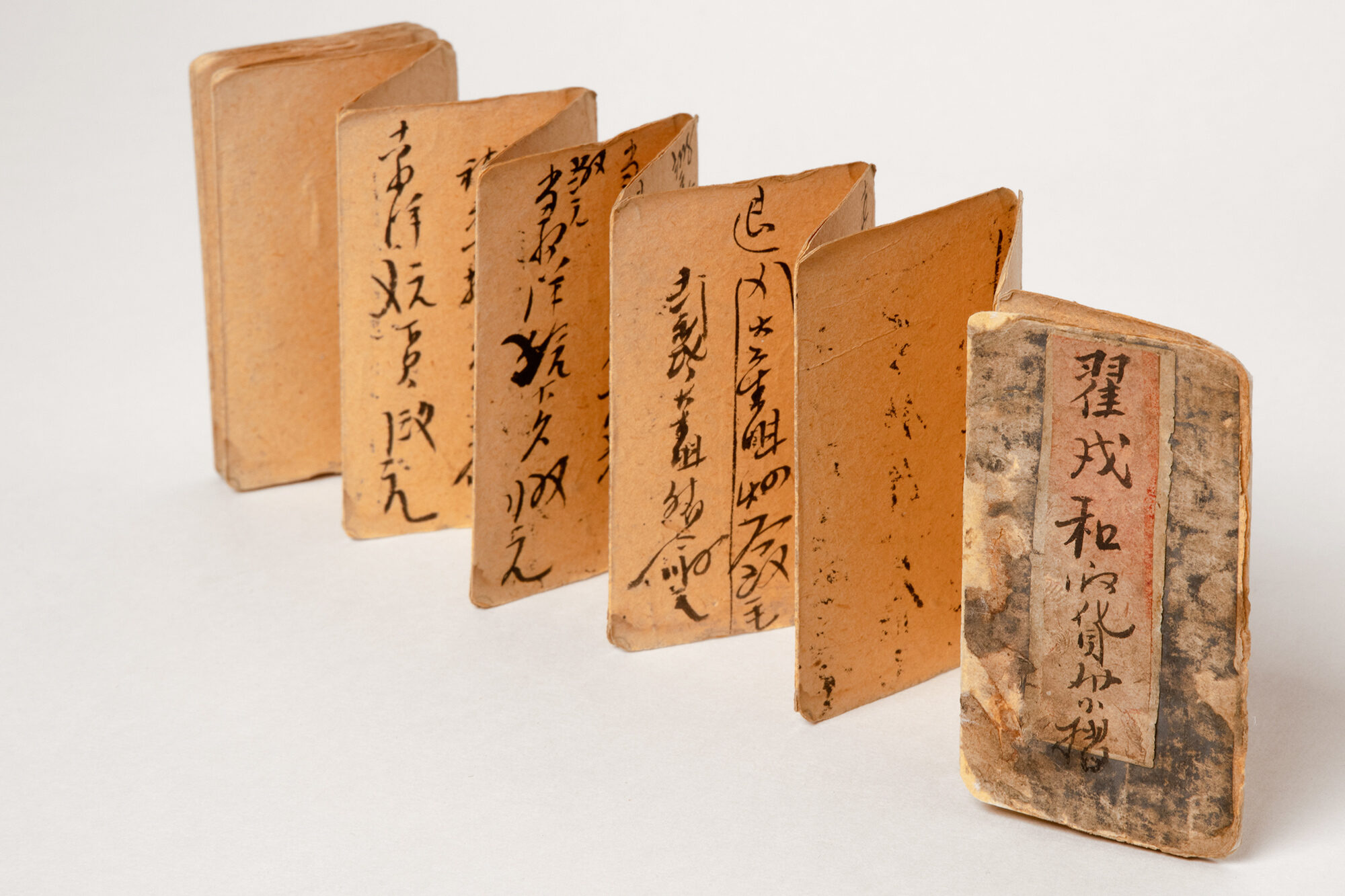
The Gutenberg Museum has an extensive collection on the printing and writing culture of East Asia and Islam. In addition to outstanding examples of European book and printing history, it also has significant non-European holdings.
China, Korea and Japan - The East Asia department
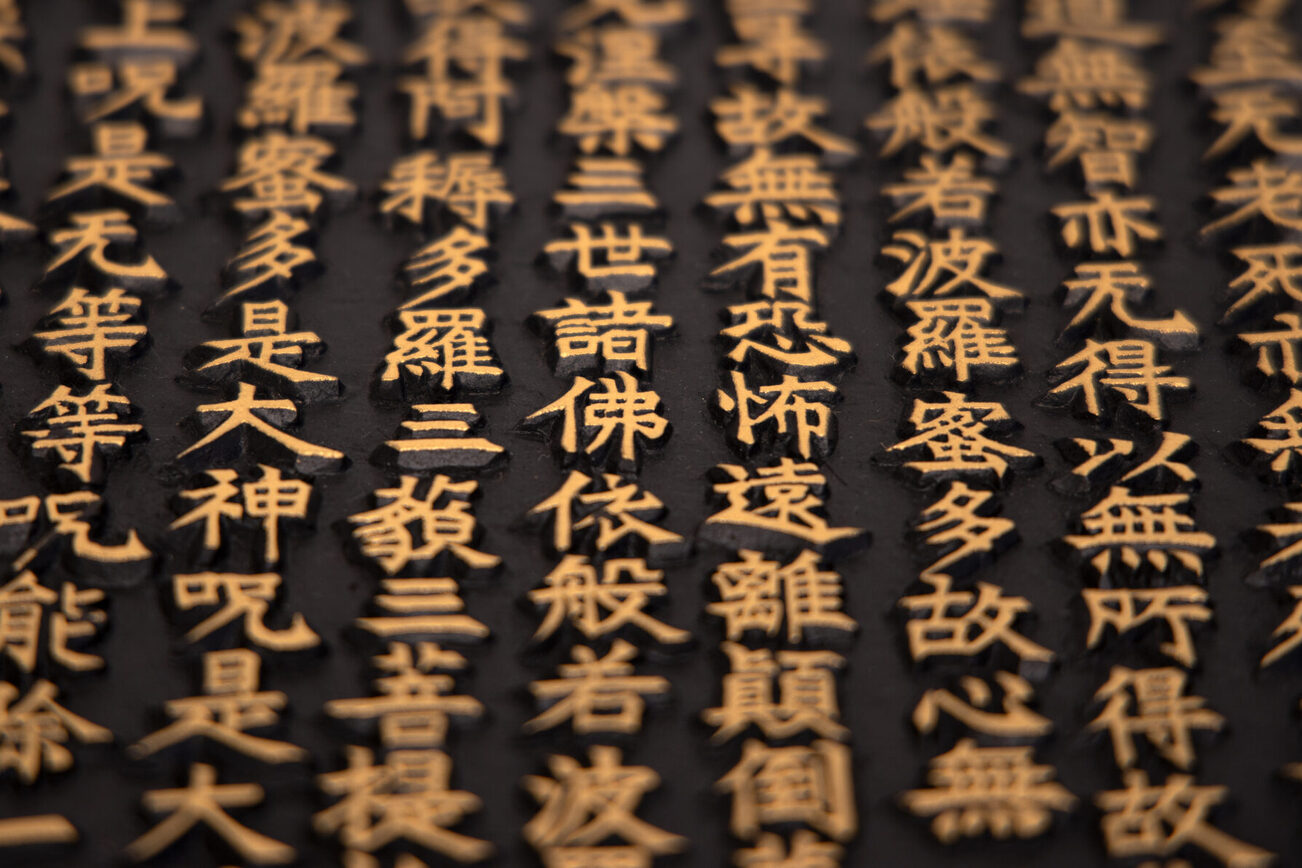
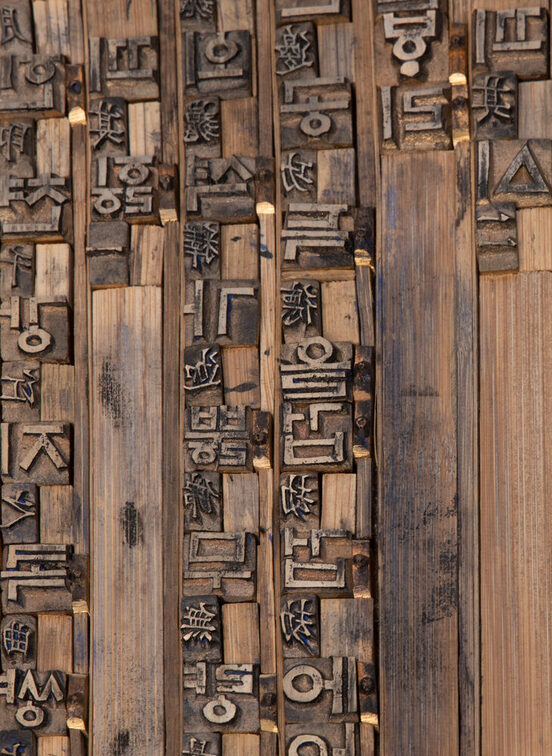
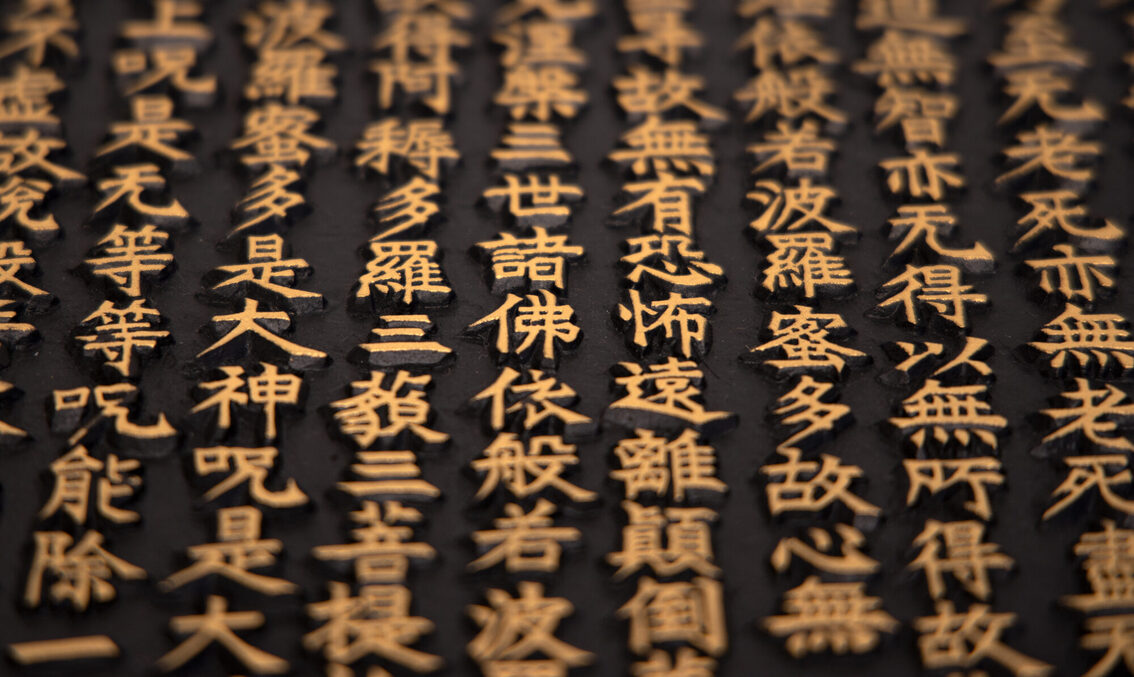
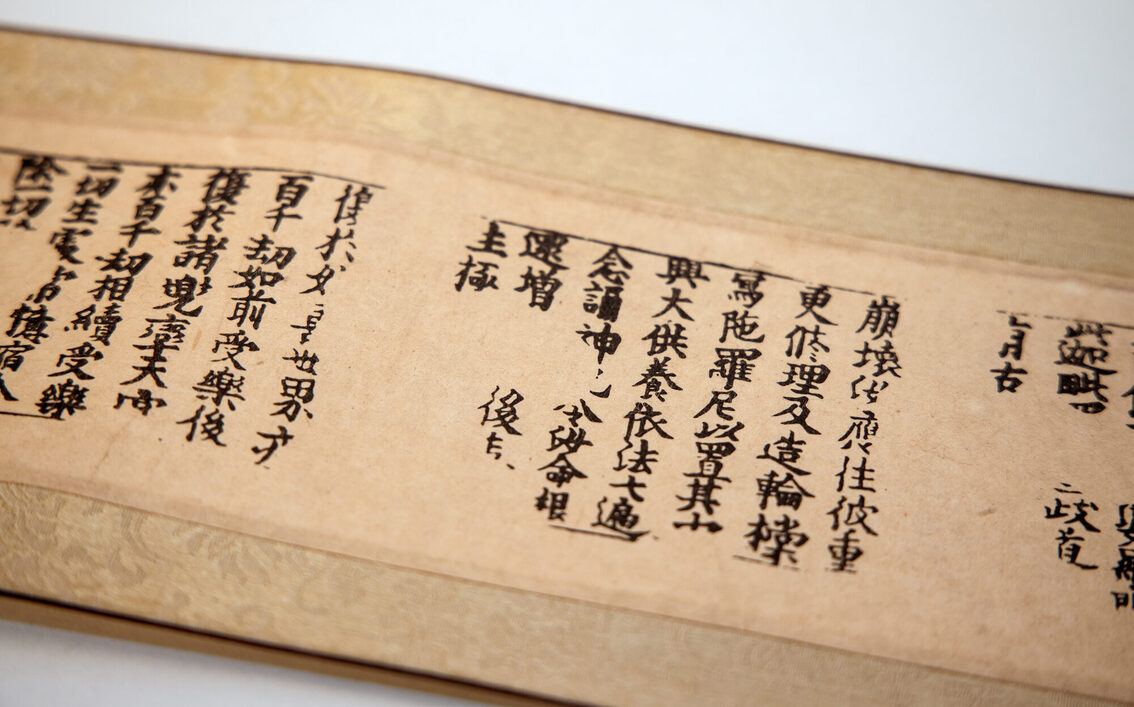
Numerous generous donations and permanent loans from our Chinese, Korean, and Japanese partner museums illustrate the broad spectrum of book, print, and calligraphy art in East Asia. Since printing with movable type—albeit with a completely different motivation and technique—was invented in China long before Gutenberg and was used in Korea with a different process, these artifacts are of particular significance in the Gutenberg Museum and thus at the "cradle of European book printing." They highlight parallel developments and show that the invention of printing with movable type took place independently in East Asia and Europe.
China
Korea
Japan
Evidence of Islamic printing and writing culture
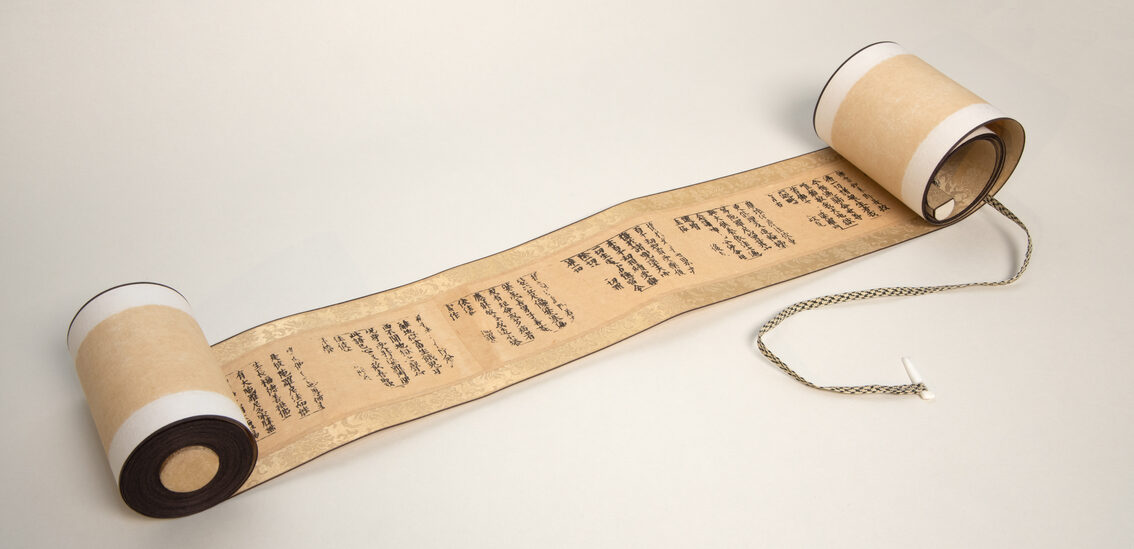
The Islam section uses selected examples to illustrate the most important stages in the history of printing in the Middle East. It illustrates the history of printing in Islamic culture, which is characterized by a strong tradition of handwriting and European influence. The collection focuses on objects and evidence of the art of printing, book and writing culture, primarily from the Ottoman Empire and Persia, as well as exhibits of European printing art in the languages of the Middle East.
Important objects in the collection
- Arabic block-printed amulet with prayers and quotations from the Koran, printed in block print on European paper (Egypt, first half of the 15th century)
- First grand permission granted by the Ottoman regent Sultan Ahmed II for Islamic printed works in Arabic script, 1729
- Arabic alphabet, in: Bernhard von Breydenbach, Peregrinatio in Terram Sanctam, Mainz 1486
- Thirtieth part of the Koran text as a daily reading with gold-plated leather binding with flap (16th century)