
Environmental tip: Insect mortality - does it affect me?
Environmental tip from the Mainzer Umweltladen
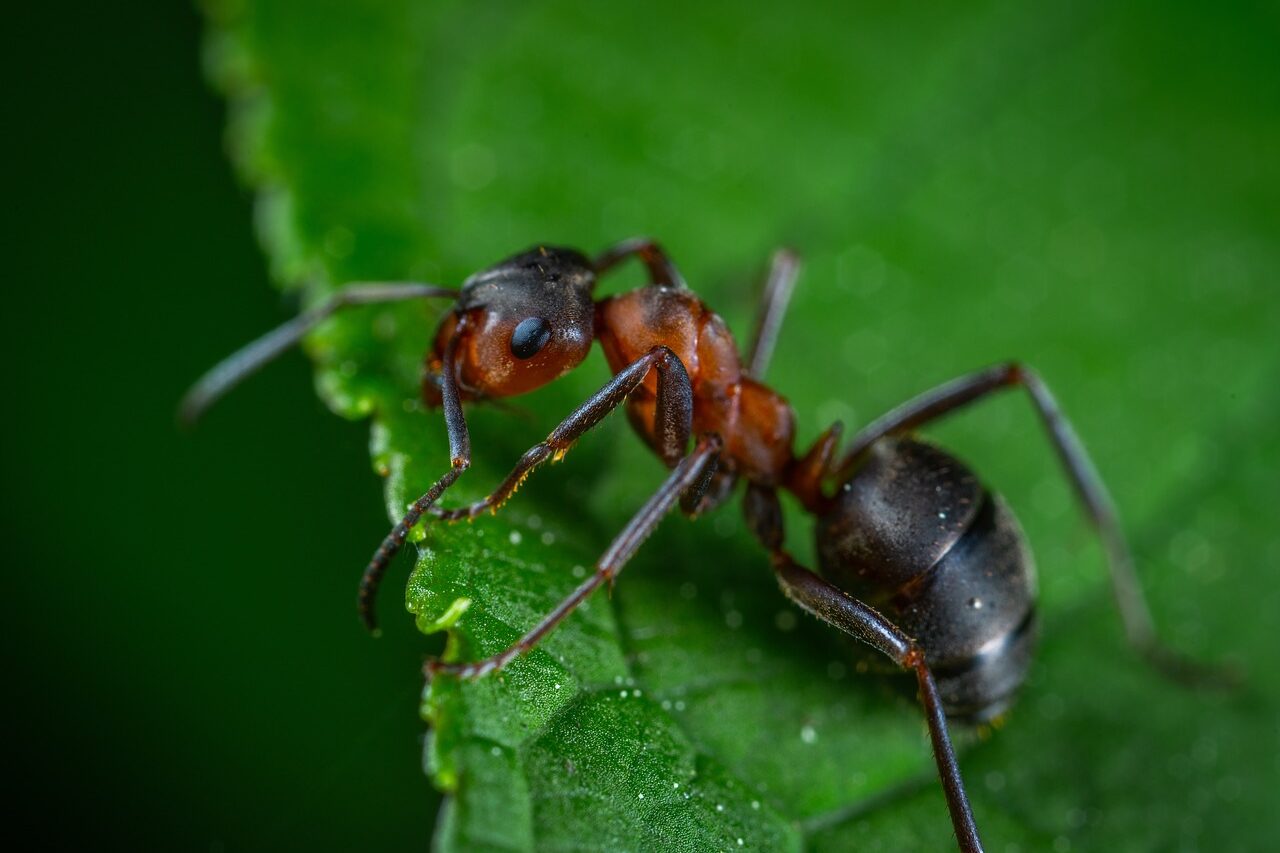
Bees, beetles, butterflies, dragonflies, grasshoppers, ants, and flies—with over 33,000 species, insects make up around 70 percent of all animal species in Germany. Even though there's no comprehensive research on this, there's enough proof that we're seeing a dramatic loss of insects in Germany. A study from Krefeld attracted a great deal of attention in October 2017. Thanks to many years of field research, volunteer biologists were able to prove a drastic decline in flying insects. On average, the quantity (biomass) of insects declined by about three-quarters within 27 years. The attached article "Insect decline" clearly summarizes the findings of the study.
Reasons for insect mortality
The causes of insect decline are complex. One key cause is the intensification of agriculture, combined with the goal of achieving the highest possible yield per unit of land. This goes hand in hand with the use of plant protection products (insecticides and pesticides) and fertilizers. This results in direct damage to insects, loss of habitats and structural diversity, and loss of food plants due to overfertilization of the soil.
The impoverishment of our landscape and the sealing of soils by roads and settlements are also cited as reasons. In residential areas, insects are killed by artificial light (light pollution). Intensive forestry and tidy, graveled private gardens, where food plants are lacking, contribute to habitat loss.
How does insect mortality become visible?
You can already notice it: there is less buzzing in the garden. Bumblebees, butterflies, ants—there used to be more. The number of songbirds that feed on insects is also declining. Only a few insects dance around the streetlights at night. The windshield stays clean. The fruit harvest is sparser... Insects are dying quietly. It took over 20 years for this fact to sink into our consciousness.
Why are insects important?
The decline in insect populations has a direct impact on nature and on us humans. As a food source for a whole range of animals, insects are important building blocks in the food chain. These include many fish, birds, amphibians, reptiles, and mammals (e.g., bats, shrews, hedgehogs, badgers), but also other insects. Predatory insects feed on other insects, some of which are considered agricultural pests; they are therefore also of economic interest to humans.
Another example of why insects are particularly important to humans is pollination. In addition to wild bees, many hoverflies, butterfly species, flies, beetles, and wasps also pollinate plants. Insect pollination is essential for the preservation of wild plants and thus also a basis for biodiversity as a whole. But pollination is also essential for the harvest of crops. In Germany, the loss of pollination services would particularly affect fruit and vegetable cultivation, but also large-scale arable crops such as rapeseed, sunflowers, and field beans.
Soil insects play an important role in the decomposition of organic matter and in shaping the soil. Without the decomposition processes determined by insects, plant material decomposes much more slowly and nutrients are made available again more slowly.
These are referred to as "elementary ecosystem services" provided by insects. These include pollination of plants, decomposition of organic matter, biological control of harmful organisms, water purification, and maintenance of soil fertility. The decline in the total number of insects and insect biodiversity therefore also has economic consequences. In Germany, 84 percent of crops depend on cross-pollination. The World Wide Fund for Nature (WWF) estimates the annual value of pollination by bees in Germany alone at 3.8 billion euros.
Protect insects
With the entry into force of the "Insect Diversity Protection Act" in March 2022 and the "Insect Protection Action Program," the German government has set itself the task of reversing the decline in insect populations. The action program comprises measures in nine different areas of action and takes into account all relevant causes of insect mortality. There is a particularly urgent need for action on agricultural land, but also in urban green spaces and on buildings.
Tips on how you can actively protect insects yourself:
Butterflies, beetles, and other insects cannot find food, shelter, or a habitat in bare garden areas covered with stone material and devoid of plants. Therefore, create "wild corners" in your garden where nature is left to its own devices. Nettles, deadnettles, and ground ivy, as well as thistles, ground elder, grasses, and clover will quickly settle there. This is good—because one of the main reasons for the loss of many species in Germany is an overly tidy and monotonous landscape. Nettles, for example, are "caterpillar food" for many different species of butterflies.
A colorful mix of flowers and herbs that bloom from spring to late fall provides insects with sufficient food. Native flowering plants such as bellflowers, cornflowers, and meadow sage are suitable, as are many culinary and medicinal herbs such as thyme, oregano, mountain mint, and lavender. Look for plants with nectar and pollen, so-called unfilled simple wild forms.
Native shrubs and wild hedges—ideally flowering shrubs with berries such as blackthorn and buckthorn—can provide refuge for numerous species. Greening your home with ivy, clematis, and wisteria also provides protection for insects. Piles of leaves and brushwood as well as dead wood offer insects shelter. Rotten branches, for example, are ideal as hiding places, food, or building material.
Some wild bees and wasps build their brood chambers in cavities in wood, stems, and the ground. Solitary bees that nest in wood and stems can be encouraged by providing special nesting aids. Species that nest in the ground benefit from open patches of soil and not mulching the entire garden in spring and summer. During the cold season, shelters are essential for the survival of these small insects. Dry stone walls made of broken or natural stones, herb spirals, and piles of stones are also popular as winter shelters.
Further information
Contact us
Address
Environmental store
Mainzer Umweltladen
Steingasse 3
55116 Mainz