Baku

Brief information
History
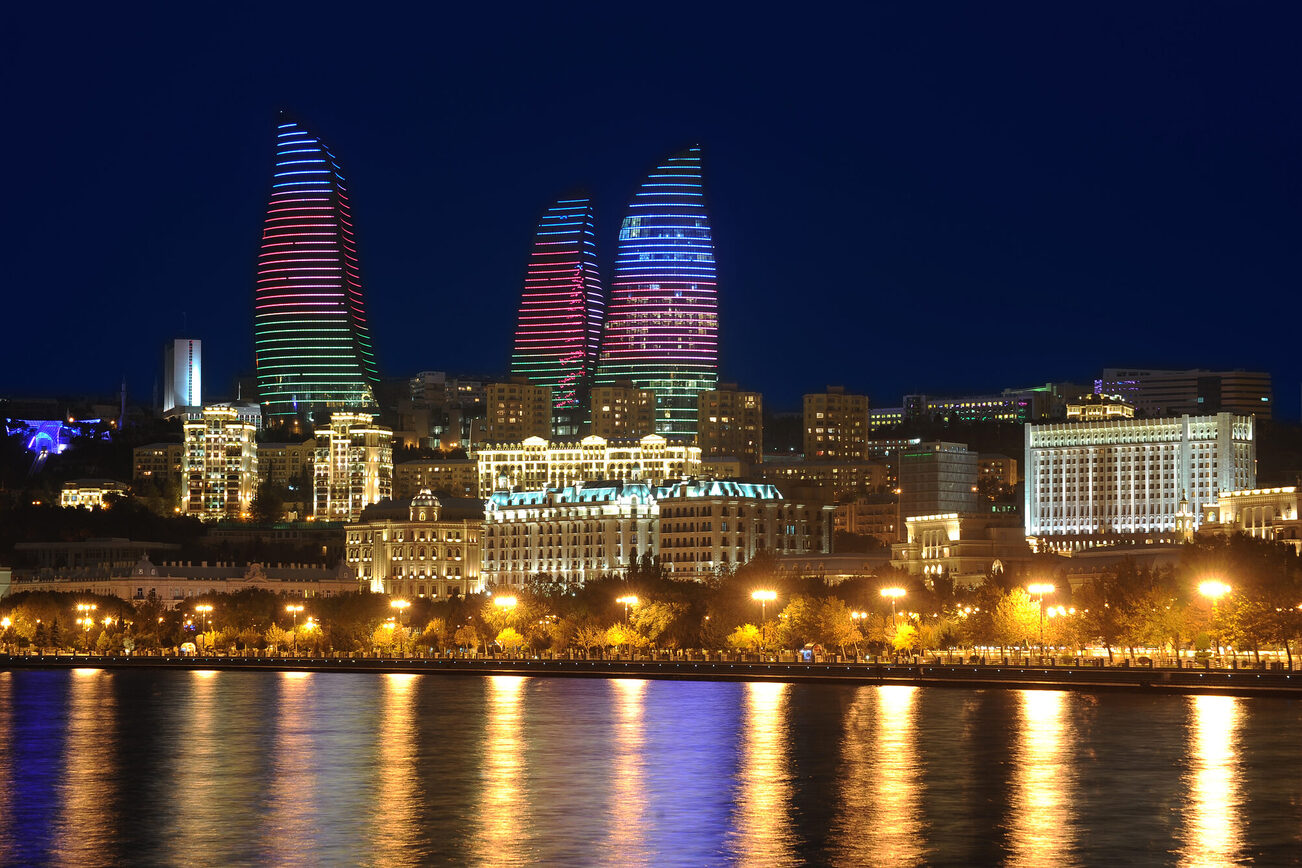
The exact age of Baku is unknown, but archaeologists believe that the settlement already existed in the 5th century AD. Baku was first mentioned in writing in 930. The small stone fortress was located on the shores of the Caspian Sea and thus conveniently situated on sea routes and busy caravan roads leading from Iran and Transcaucasia to the southern Russian steppes.
This advantageous location, as well as the oil fields and salt deposits known since ancient times, attracted more than just peaceful traders. For centuries, foreign conquerors repeatedly ravaged the city. From the mid-16th to the early 19th century, Baku belonged alternately to Persia and Russia, until the city finally fell to Russia in 1806 and became the provincial capital in 1859. During the 19th century, Baku developed into one of Russia's largest industrial cities.
The collapse of the former USSR also had an impact on Azerbaijan. In 1992, the then president announced the country's withdrawal from the CIS, but just one year later, it rejoined due to changes in the domestic political balance of power. However, the long-standing conflict between Armenia and Azerbaijan over the enclave of Nagorno-Karabakh, which declared independence in September 1991, continues to smolder to this day.
Places of interest
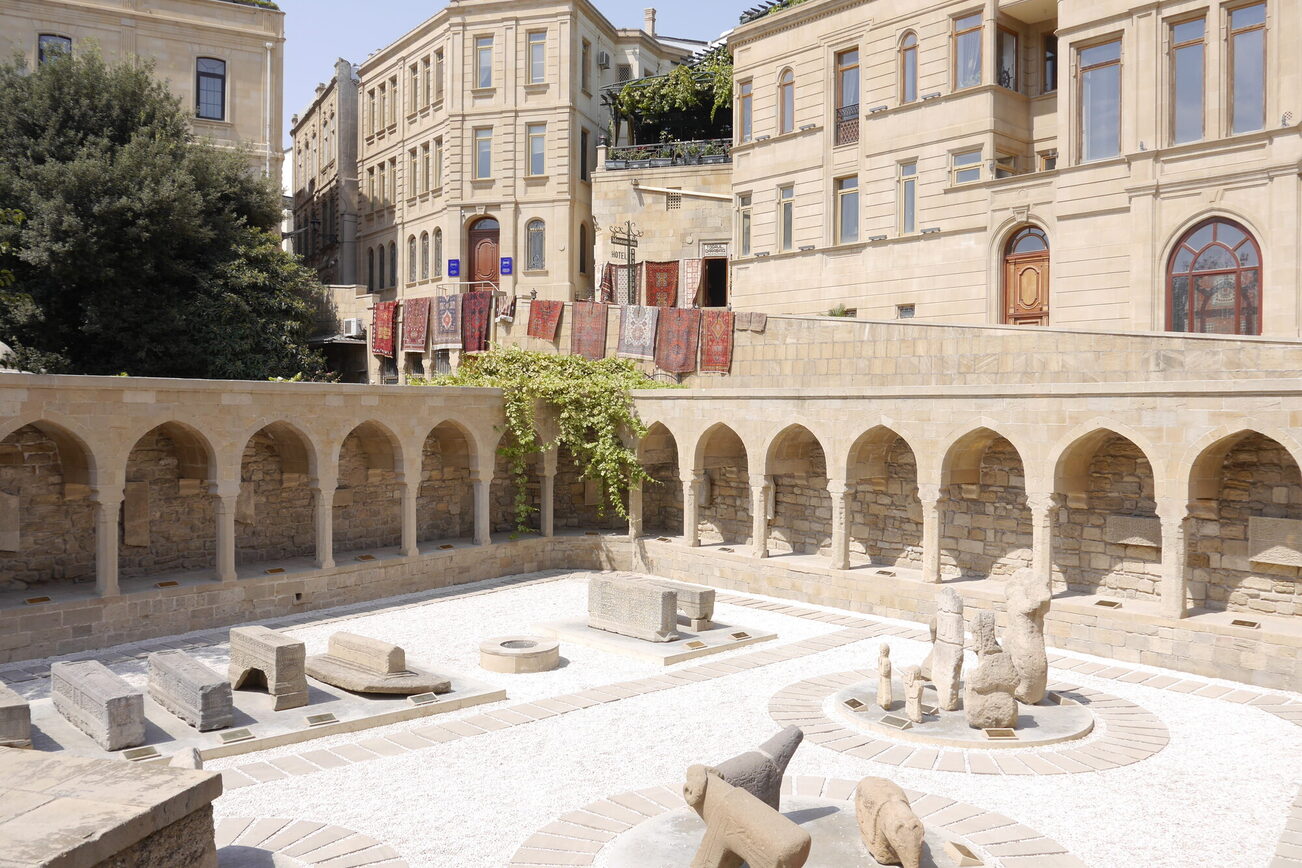
The city, nestled in a wide bay, is a mixture of European-style buildings from the late 19th century in its core area with an oriental influence and monumental historical evidence. The center is surrounded by the flat roofs of houses that seem to be swallowed up by the earth, with a maze of narrow streets and alleys.
One of the most beautiful examples of Muslim faith is the "Blue Mosque," whose name derives from the color of its dome. Other relics of Baku's eventful past that are well worth seeing include the mysterious Maiden Tower "Gys Galassy" (approx. 12th century AD), the medieval Gadshi-Gaib steam bath, and the Shirvanshah Palace complex, to name just a few tourist attractions.
University and schools
Baku is the country's educational and university center. The city alone has 13 universities, where more than 60,000 students are enrolled. One example is the Azerbaijan State Pedagogical University. It was founded at a time when there was an acute shortage of teachers needed to curb widespread illiteracy. The country's musical elite study at the Azerbaijan Gadshibekov Conservatory. The state university, the technical college for oil and chemistry, the foreign language institute, and the polytechnic university are further examples of the wide range of educational opportunities available in Baku.
Economy
Baku is best known for its oil reserves. Closely linked to this is an industry that manufactures products needed for the extraction and processing of oil. Economic hopes continue to rest on oil. An international consortium was recently formed and signed a 30-year production contract. However, the chemical, construction materials, and food industries also shape Baku's economic landscape.

Recreation and leisure
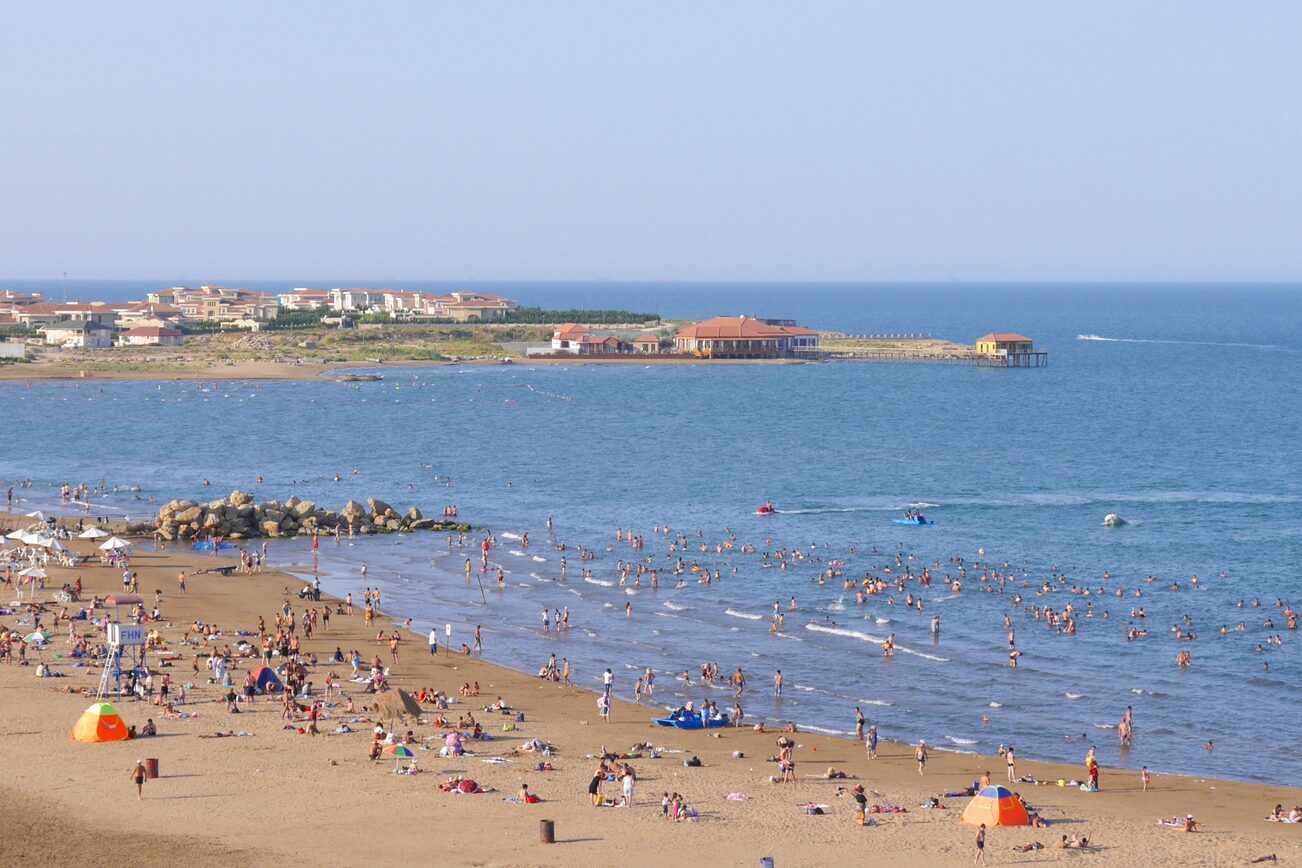
Residents and visitors to the city can find peace and relaxation in four large parks and the zoo. Sports enthusiasts can enjoy themselves to their heart's content in this exotic city at the huge sports palace, two large sports stadiums, and the outdoor and indoor swimming pools. It is also worth taking a shopping trip to the many markets and shops offering typical local goods such as carpets, gold and silver jewelry, and handicrafts of all kinds. Afterwards, guests can relax from the exertions of the day in traditional tea rooms and get to know the oriental way of life.
Events and culture
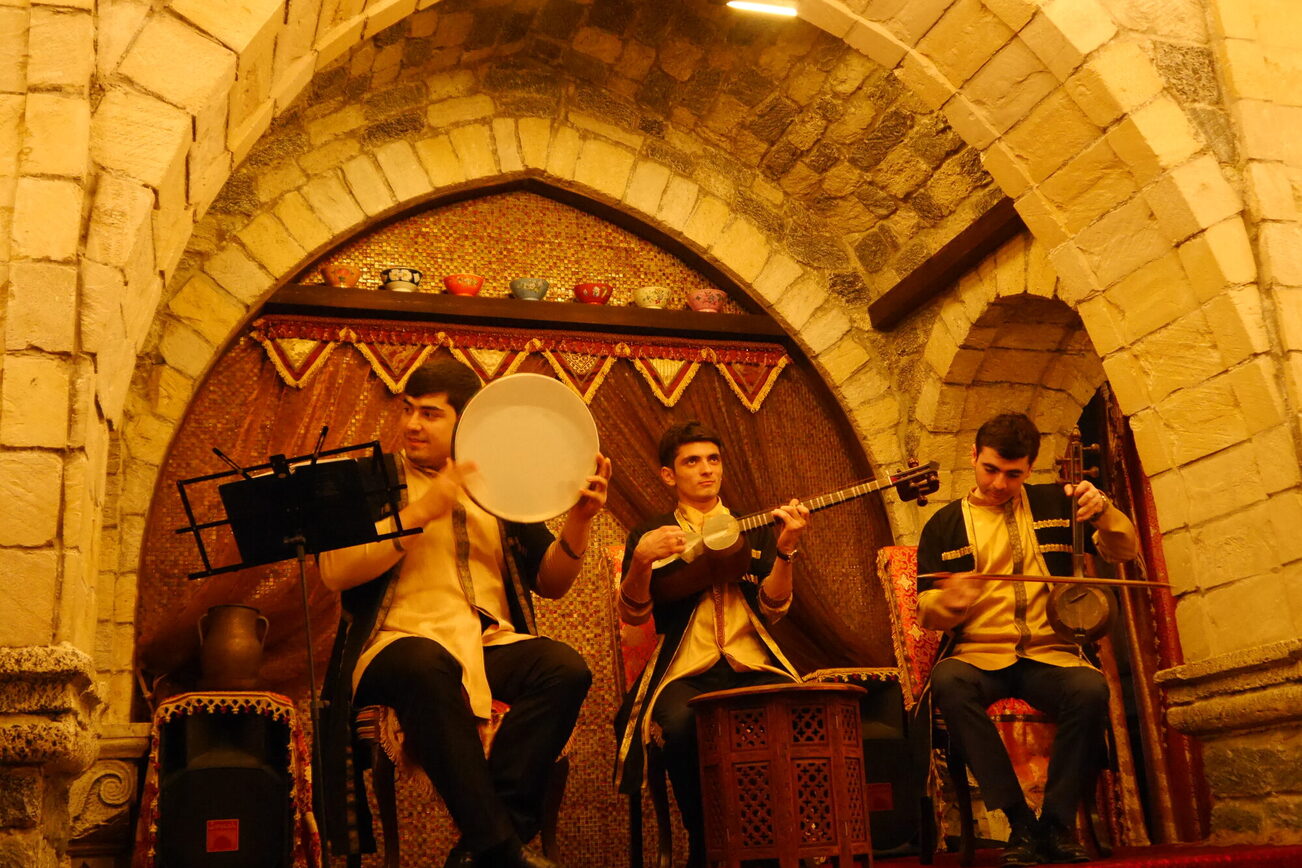
The cultural life of the city of Baku is very diverse. More than 30 museums and permanent exhibitions, 11 theaters and concert halls, and five cinemas offer something for every taste in the fields of music, art, and history. Particularly noteworthy are the folkloric performances, which are very impressive for European audiences due to their oriental flavor.
Specialties
Azerbaijani cuisine is Islamic-Oriental in orientation. The mild climate allows all types of vegetables and fruits, as well as aromatic herbs and spices, to thrive. The resulting wide selection has inspired Azerbaijani chefs to create distinctive dishes. One of the most common is rice pilaf, which can be varied with mutton, chicken, or sweet dried fruit, for example. The local desserts and cakes are very sweet, which is why they should be eaten with the rightly famous black tea. This tea is much stronger than European tea and is served in special tea rooms in a decorative samovar.
Development of the city friendship
The cities of Baku and Mainz have been in contact since 1984. Baku is a sister city of Mainz, which means that relations exist even without an official partnership agreement. Despite the great distance between the two cities, Mainz regularly involves its sister city in events and exchange programs. Conversely, many visitors from Mainz have enjoyed the legendary hospitality of the Azerbaijani people.
The armed conflicts over Nagorno-Karabakh and the economic difficulties caused by the collapse of the former USSR have led to a significant decline in contacts in recent years.