Longchamp

Brief information
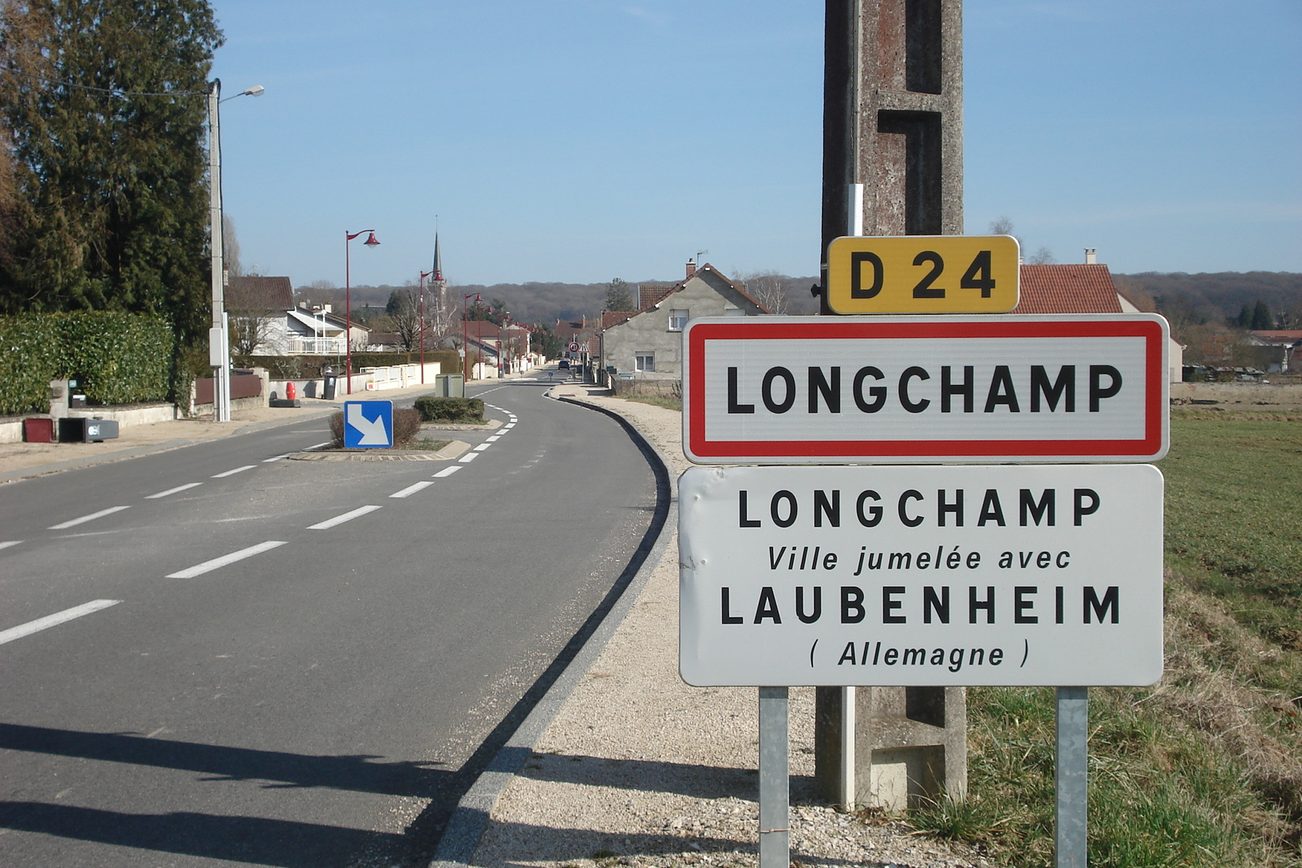
Not far from the world-famous vineyards of Burgundy lies the municipality of Longchamp, roughly halfway between the Burgundian capital of Dijon and the town of Dôle, the gateway to the Jura Mountains, not far from the major Paris-Geneva transport route. The municipality, surrounded by wide fields and meadows, has a population of around 1,200.
History
In an 11th-century chronicle kept in the Dijon municipal library, the place is first mentioned in 538 under the name Longus Campus. Documents from 1243 refer to Long Champ, and since 1793 the current name Longchamp has been definitively documented. Initially owned by the Counts of Neufchâtel, the monks of the Chartreuse de Dijon received half of the Longchamp estate around 1386, and since 1670 they have been the sole lords of the village. They own the castle, have jurisdiction, and collect tithes. In 1789, the French départements were established.
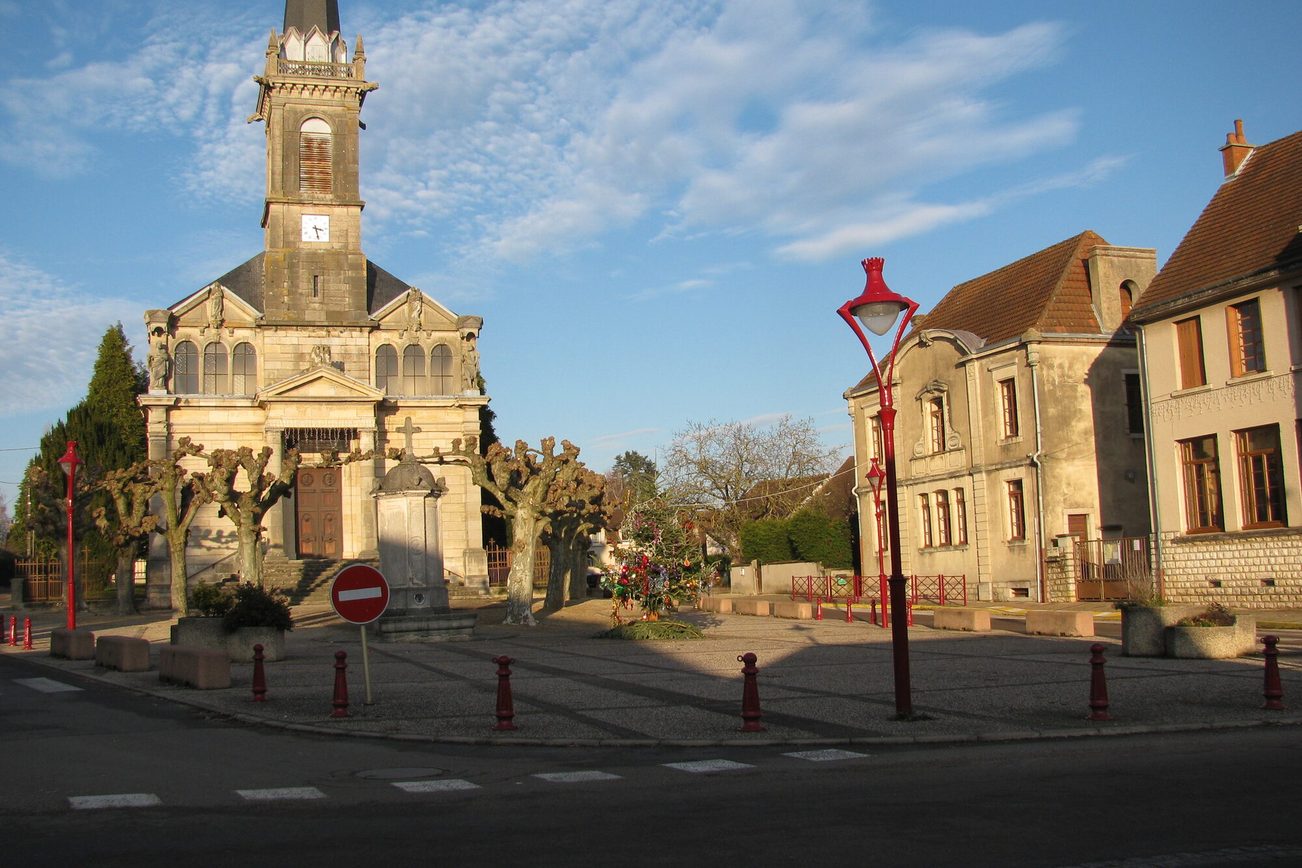
They were divided into districts and cantons. In 1801, Longchamp became part of the canton of Genlis, which is now the seat of the municipal association. Longchamp was not spared from the turmoil of the Revolution. In 1792, there was great unrest due to the price of grain. In the 19th century, many estates and public buildings were renovated, including the village church. Longchamp got running water in 1946, gas in 1957, and a sewage system in 1977.
Places of interest
University and schools
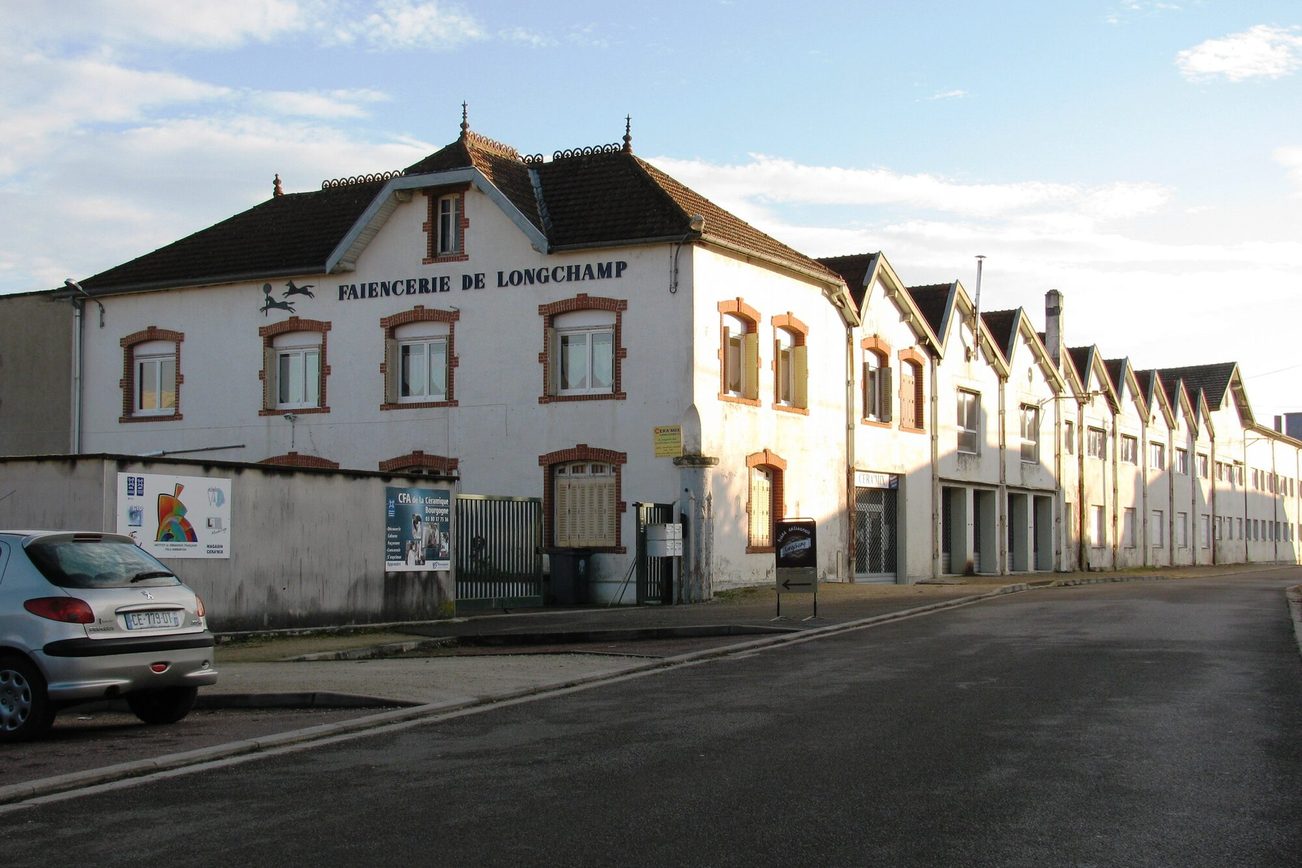
Longchamp has two elementary schools, one for girls and one for boys. Secondary schools are located in the surrounding area. In recognition of the outstanding craftsmanship of the renowned earthenware factory "Faiencerie de Longchamp," a technical college for 140 students with an attached boarding school was established.
Economy
The clay-rich soil in Longchamp led to the establishment of brickworks and the founding of the earthenware factory, which is well known in France, as early as the 19th century. The Faiencerie de Longchamp now employs 80 people. Of course, there were and still are agricultural businesses. Today, Longchamp is primarily a large residential community in the catchment area of the city of Dijon. However, a balanced structure in trade and commerce ensures that the basic needs of the inhabitants are met.
Recreation and leisure
The nearby forest offers interesting terrain for hikers, those seeking relaxation, and hunters. A pond located near the community is ideal for swimming and fishing. Sports activities are available at a soccer field, two tennis courts, and a sports hall.
Events and culture
Longchamp has a banquet hall that was built in 1978. It hosts large balls and festivities for the hunting club, the choir, and the sports club. In mid-August, the citizens of Longchamp celebrate the festival in honor of the patron saint of the St. Antoine earthenware factory. As in Dijon, specialties of Burgundian cuisine are also offered in Longchamp.
Development of the town twinning
During a meeting between mayors and parliamentarians from the Rhine-Hesse region and Côte-d'Or in October 1965, Erich Koch, mayor of the then still independent municipality of Laubenheim, and Henry Moisand, mayor of Longchamp, got to know each other better.
This friendly contact laid the foundation for the close relations that were officially sealed in Longchamp on May 1, 1966. The ceremonial highlight was the renaming of Longchamp's main street to "Rue de Laubenheim." When Laubenheim was incorporated into the city of Mainz as part of municipal reforms, the continuation of the Laubenheim/Longchamp partnership was contractually guaranteed.
Numerous visits at the private and official level, as well as youth and sports exchanges, have characterized the cordial relationship ever since.