Rheinhessen Wine Region
With 26,500 hectares of vineyards, Rheinhessen is Germany’s largest wine-growing region. More than 3,500 wineries are based here, in the bend of the Rhine between Bingen and Worms, with the city of Mainz at its center.
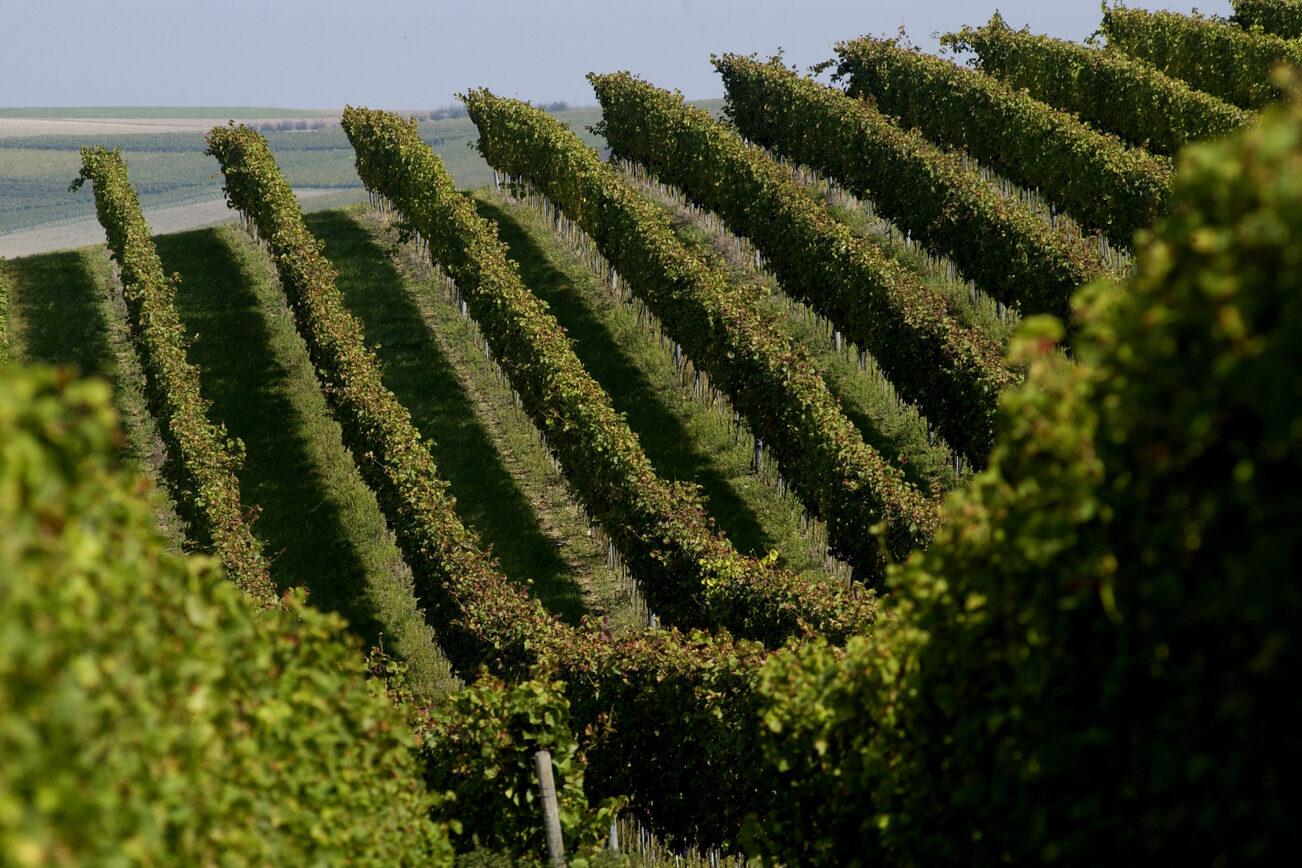
The wine-growing region, with its more than 2,000 years of tradition, is characterized by an enormous degree of dynamism and change. The young generation of winemakers in particular is demonstrating with commitment, expertise, and self-confidence that quality and size can produce outstanding wines.
From Riesling to Pinot Noir

Two-thirds of the cultivated area is planted with white wine grapes such as Riesling, Silvaner, Müller Thurgau, Scheurebe, Burgundy varieties, Sauvignon Blanc, and Chardonnay. About one-third of the vineyards are planted with red wine grapes, predominantly Dornfelder, Pinot Noir, and Portugieser. St. Laurent, Regent, Merlot, and Cabernet Sauvignon also produce excellent wines.
Wine Knowledge: Rheinhessen
For more information on Rheinhessen’s grape varieties and wines, visit the Rheinhessen website under “Wine Knowledge Rheinhessen.”
Outstanding Quality: Selection Rheinhessen

One notable feature is the “Selection Rheinhessen”—a particularly ambitious category of fine, dry wines established in 1992 that are produced according to strict guidelines. The ultimate goal: outstanding quality.
Since 2000, there has been the “Große Gewächse” category, another quality designation from the Association of Rheinhessen Prädikat Wineries (VDP). The “Große Gewächse” focus on Rieslings and Pinot Noirs from the region’s top vineyards. Both programs represent top-tier wines and embody the quality philosophy of Rheinhessen’s winemakers.
Sparkling wine
Winzersekt is a sparkling treat for the palate. It was invented in the 1980s. The selected base wines must come from the winery and are produced using the classic but complex method of bottle fermentation.