Reparation for National Socialist injustice - the descendants of the Jewish Mainz resident Siegmund Levi visit the city archives

On Saturday, June 15, 2024, the Mainz City Archives opened its doors to special visitors, the Levi family from Minnesota, USA. The director of the City Archives, Prof. Dr. Wolfgang Dobras, and his deputy, Dr. Frank Teske, showed the Levis objects that are part of their family history. For 80 years, the City Archives has preserved art objects from the collection of Pablo Levi's great-grandfather. However, these objects were forcibly confiscated during the Nazi era.

Pablo Levi's great-grandfather was Siegmund Levi, born in Mainz in 1864, who came from a well-known Jewish family in Mainz. Like his father, the lawyer and city councilor Dr. Bernhard Levi, Siegmund also became a lawyer. In his private life, he was interested in art and the history of his hometown Mainz. As a successful lawyer, Levi was able to build up a valuable art collection.
When the National Socialists came to power, Siegmund Levi was torn from his life as a respected member of Mainz society. He was banned from working and in the years that followed he was forced to sell his art collection at ridiculously low prices. In this predicament, he also sold paintings and drawings to the city archives. His son Richard fled to South America in 1938. Siegmund Levi ended up living alone in a Jewish retirement home in Frankfurt am Main. On August 18, 1942, the 78-year-old was finally deported by the Nazis to the Theresienstadt ghetto. Weakened by hunger and illness, he died on February 2, 1943.
After 1945, a legal basis was created in post-war Germany for the restitution of art objects in cases of expropriation and emergency sales, but no systematic search for Nazi-looted art was carried out. It was not until the Washington Declaration of 1998 that museums and art collections began to search their holdings specifically for looted art. The Landesmuseum Mainz has been investigating the provenance of its holdings for years. In the course of provenance research, traces of Siegmund Levi's art collection were discovered in its own collection and in the collection of the city archives. The archive's accession book records the purchases and describes the objects. With the help of these notes, it was now possible to identify three items from the Levi collection. These are an 18th-century painting with a view of Mainz, a drawing of the cathedral, and a city map from 1735.
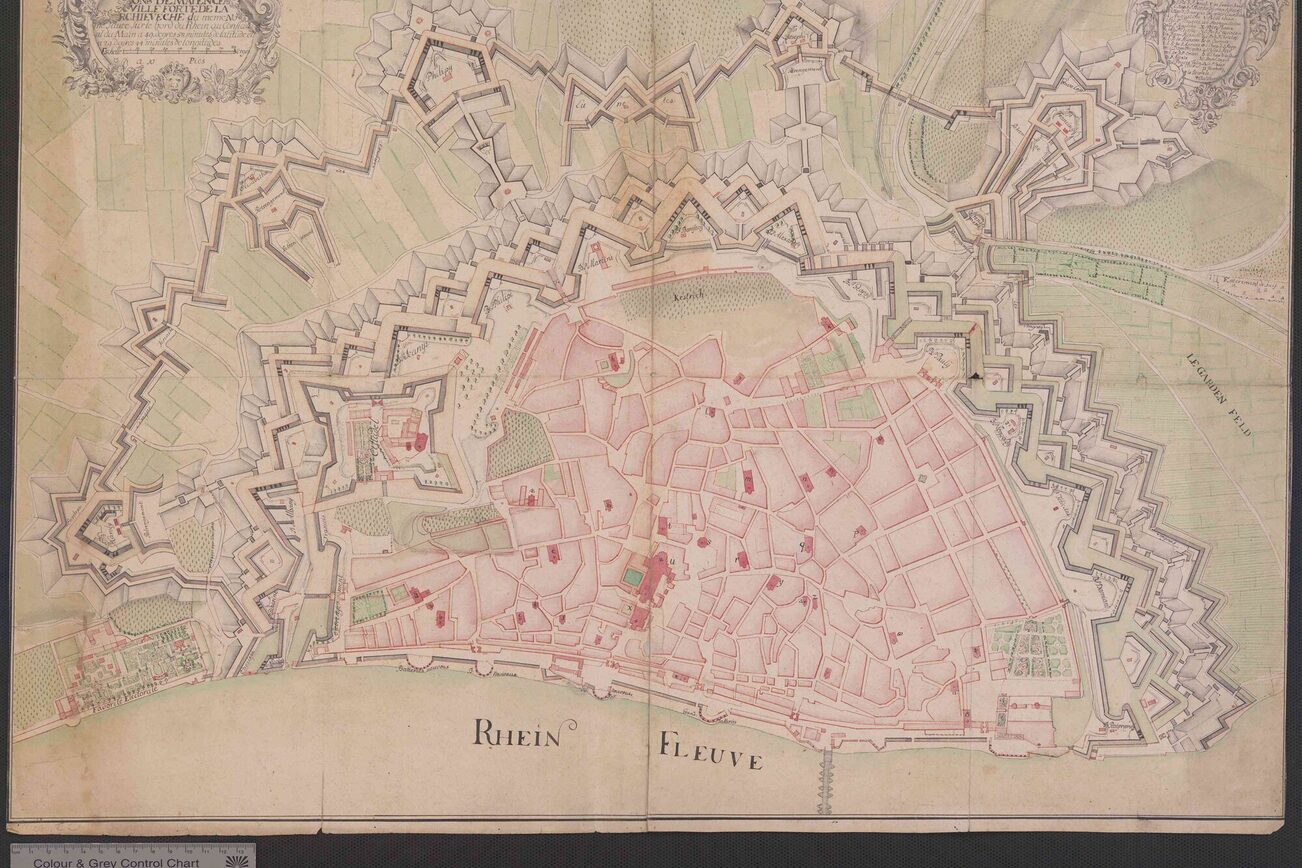
The city archives will return the objects to the Levi family. For the family, this will mean the return of a part of their family history. In their home in Minnesota, they have already reserved a wall in their living room for the pictures, as a reminder of their old home, the city of Mainz on the Rhine.