Valencia

Brief information
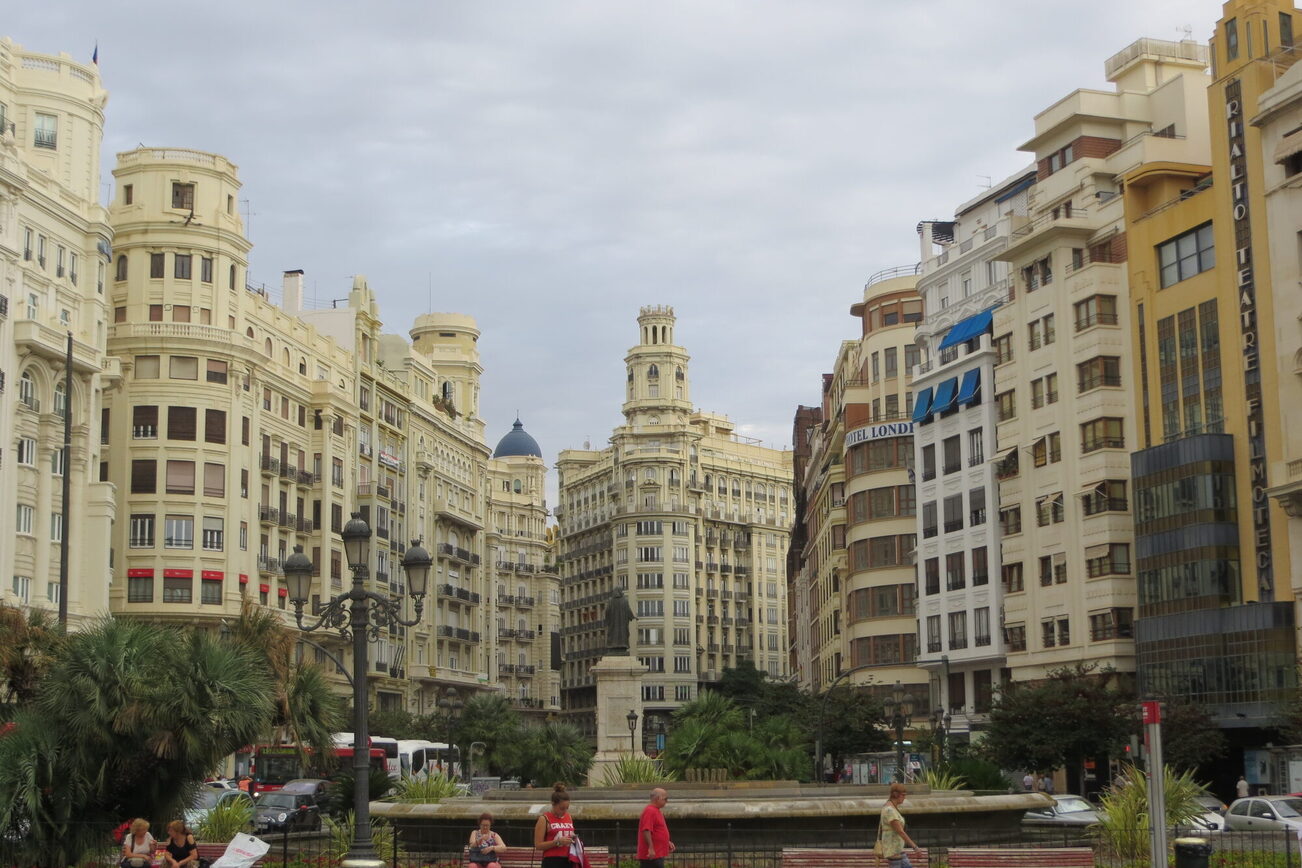
Valencia is located on the east coast of the Iberian Peninsula, in the Mediterranean bay that bears the city's name. With around 800,000 inhabitants, Valencia is Spain's third-largest city—and one of its oldest! Its history dates back to 138 BC.
Gothic cathedrals and Renaissance arches, Art Nouveau buildings, gardens, and palaces adorn the metropolis, which today is a university city, an important economic center in Spain, and a popular tourist destination. Benefiting from a mild climate—Valencia and the province of the same name enjoy an average of 300 sunny days a year—life here is vibrant!
History
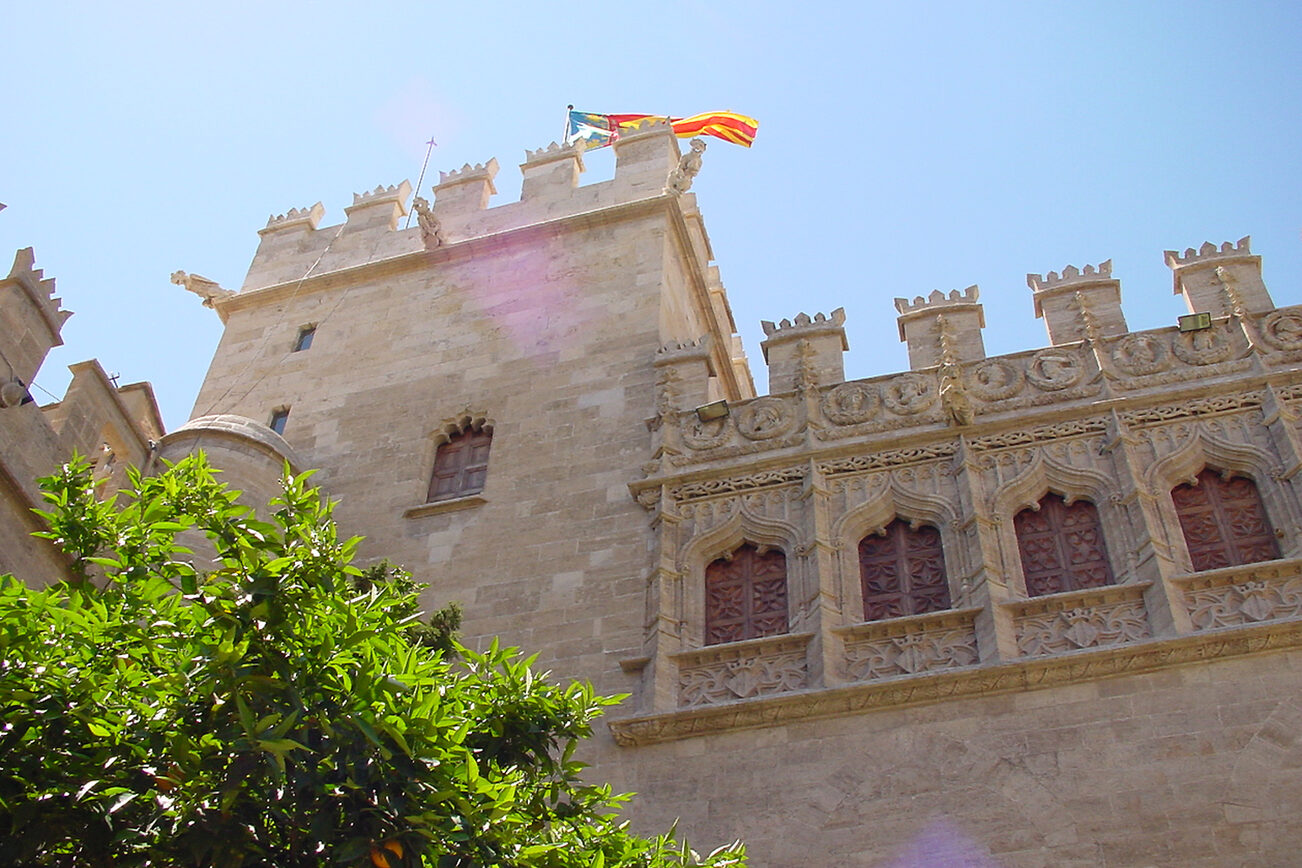
Valencia boasts a rich historical heritage and is considered one of the oldest cities on the Mediterranean coast. The city's roots date back to 138 BC, when the Romans founded a settlement here. They named it "Valentia," which means "the beautiful" or "the powerful." Its eventful history was shaped by the Phoenicians, Greeks, Romans, Goths, and, for more than 500 years, the Arabs, who transformed Valencia into an important economic and cultural center.
It was not until 1238 that the Christians under King James I conquered the city and took over rule. This marked the beginning of a period of great change, which continues to have an impact today, especially in terms of urban development: New Christian churches were built and Gothic architecture spread. During these centuries, the city's most important monuments were built, such as the Serrano Towers, the Lonja de la Seda (Silk Exchange – a UNESCO World Heritage Site since 1996) and the Torre del Miguelete (cathedral bell tower). For a long time, Valencia was one of the most powerful cities in the Mediterranean and one of the most flourishing trading centers in Europe.
With the discovery of America and the resulting increase in the importance of southern ports, the decline of the once "powerful" city began. The expulsion of the last Arabs and Jews, who formed the city's middle class and the basis of its wealth, led Valencia to ruin.
In the wake of industrialization, metal industries, textile factories, and power plants developed in Valencia at the beginning of the 20th century.
During the Spanish Civil War from 1936 to 1939, Valencia was briefly the seat of government of the Republic, but in 1937 the city lost this function to Barcelona. In the 1960s, a new upswing took place, causing the population to grow rapidly. Since 1982, Valencia has been the capital of the Comunidad Valenciana, one of Spain's 15 regions.
Valencia today
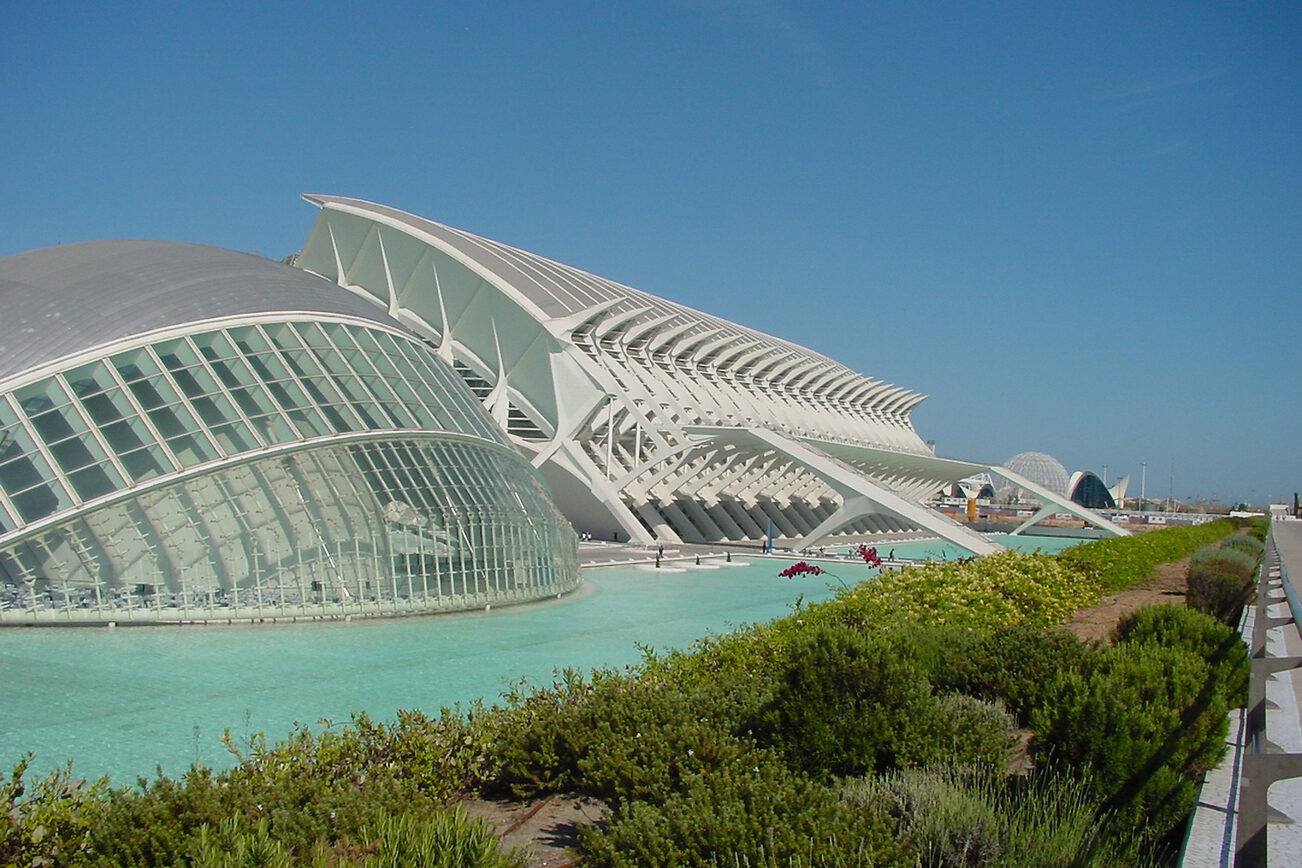
Shopping paradise, cultural metropolis, university city, economic center, and tourist mecca—Valencia effortlessly combines all these facets. Valencia's historical relics also blend seamlessly with the new, futuristic Valencia. The most modern achievement is the "City of Arts and Sciences," which comprises various avant-garde buildings offering a range of leisure activities. These include the Natural Science Museum, the Oceanographic Park, the Art Palace, and the Planetarium. Culture lovers
will also find plenty to enjoy in Valencia's historic city center. The multitude of museums are just waiting to be discovered and visited: the Provincial Museum of Fine Arts houses a rich collection of Gothic paintings, while the Colegio del Patriarca counts several Grecos and a painting by van der Weyden among its treasures. The Palace of the Marqués de Dos Aguas is home to the unique National Museum of Ceramics and Art. More than 5,000 exhibits showcasing the folk art of the old masters of Manises, Paterna, and Alcora are on display there. The Institut
Valencia d'Art Modern is famous for its exhibitions of contemporary art. The Printing Museum in the Royal Monastery of El Puig on the outskirts of Valencia is a counterpart to the Gutenberg Museum in Mainz.
Universities and schools
Valencia has been a university city since 1501. Today, it offers all standard subjects and, together with the Polytechnic University of Valencia, has more than 80,000 students. The friendly relations with the University of Mainz were sealed in 1979 by an agreement on academic cooperation, which has proved extremely fruitful.
Valencia has a German school where boys and girls are taught from kindergarten to high school graduation. However, many high schools also offer German as a foreign language. At the city's bullfighting school, students are introduced to the techniques of bullfighting in addition to the regular curriculum.
Economy
Valencia has traditionally been a city of furniture, toys, and ceramics, but in recent years it has also become a hub for new technologies, particularly in the automotive sector. On the other hand, Valencia has remained a city of agriculture, famous for the Huerta, the largest fruit and vegetable garden in this region, which mainly offers delicious citrus fruits.
Thanks to its internationally important port, airport, and motorway connections in all directions, Valencia plays a major role as an export center and, as a modern industrial and commercial city, is experiencing steady growth.
Places of interest
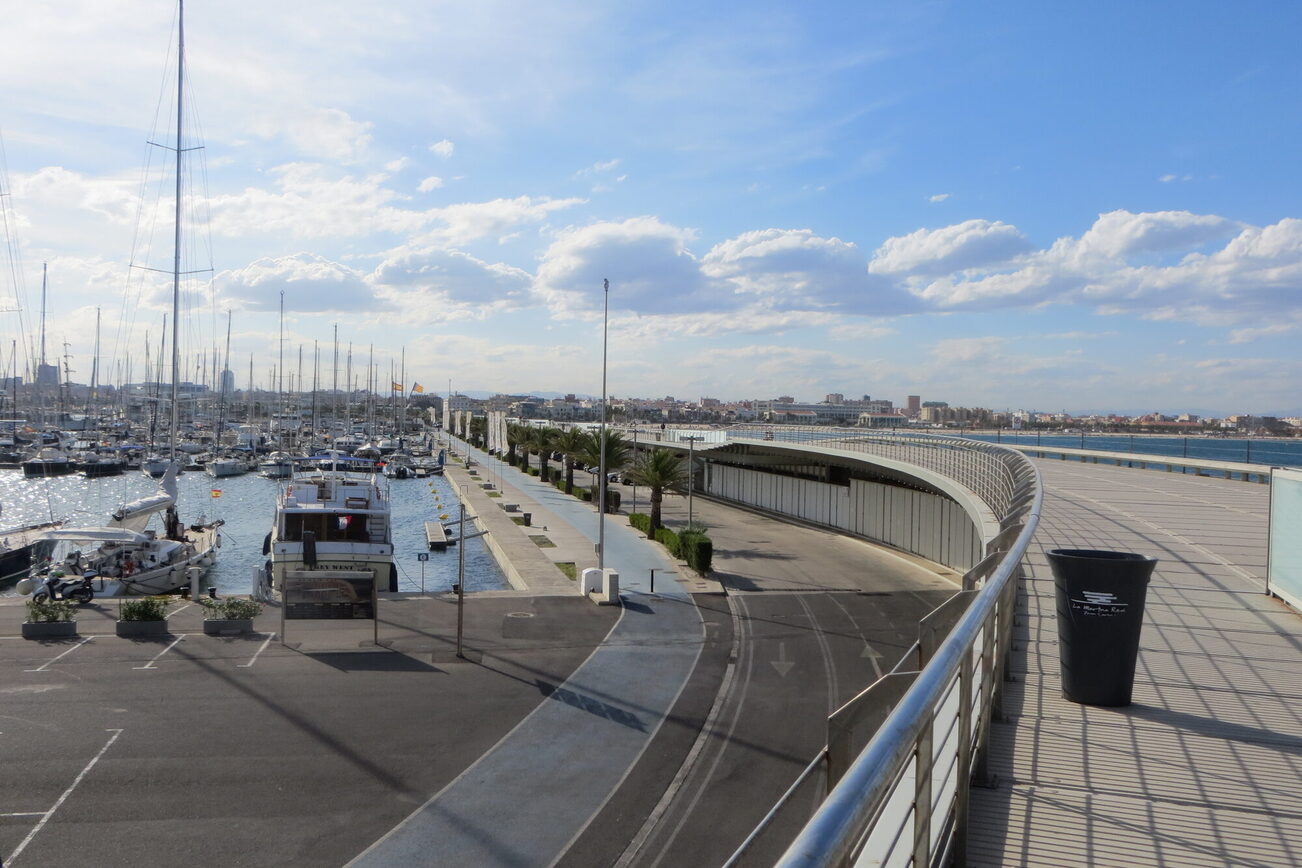
Valencia, the lively city on the Mediterranean, attracts visitors with a range of leisure and cultural activities, sights, and things to do. Visitors to this Mediterranean
city can enjoy a unique view from the octagonal, unfinished tower of the Gothic cathedral: the view sweeps over the city with its 300 bell towers, the large orchards, and the horizon of the sea. At the foot of the cathedral lies the Plaza Reina, where traders offer ceramic vessels typical of the region at the annual pottery market in June.
Right next to the cathedral stands the basilica of the city's patron saint, Virgen de los Desamparados. From here, it is only a stone's throw to the Almudin, the old granary of medieval Valencia. In Calle del Palau, the Palace of the Admirals of Aragon is particularly worth seeing, while in Cal del Milagro, the Church of San Juan del Hospital is impressive, both elegant Gothic buildings. Serranos Street leads to Plaza de Manises. Here you will find the "Generalidad" (provincial council, built in the 15th/16th century) and two interesting palaces, one of which, the Jaudenes, houses the Prehistoric Museum.
The Lonja de la Seda, designed by Pere Compte (1483), stands in the Plaza del Mercado. Probably the most beautiful building in Valencia, it was built by the city's merchants as a stock exchange and headquarters of the "Consulado del Mar." The old university was founded in 1501. In the courtyard is a statue of the Valencian humanist Luis Vives, a student of Erasmus of Rotterdam. The rooms house an exquisite library. The Music Palace, with its excellent acoustics, is not only an attraction for music lovers. The exterior of the building, with its huge glass dome, is also an architectural masterpiece.

Specialties
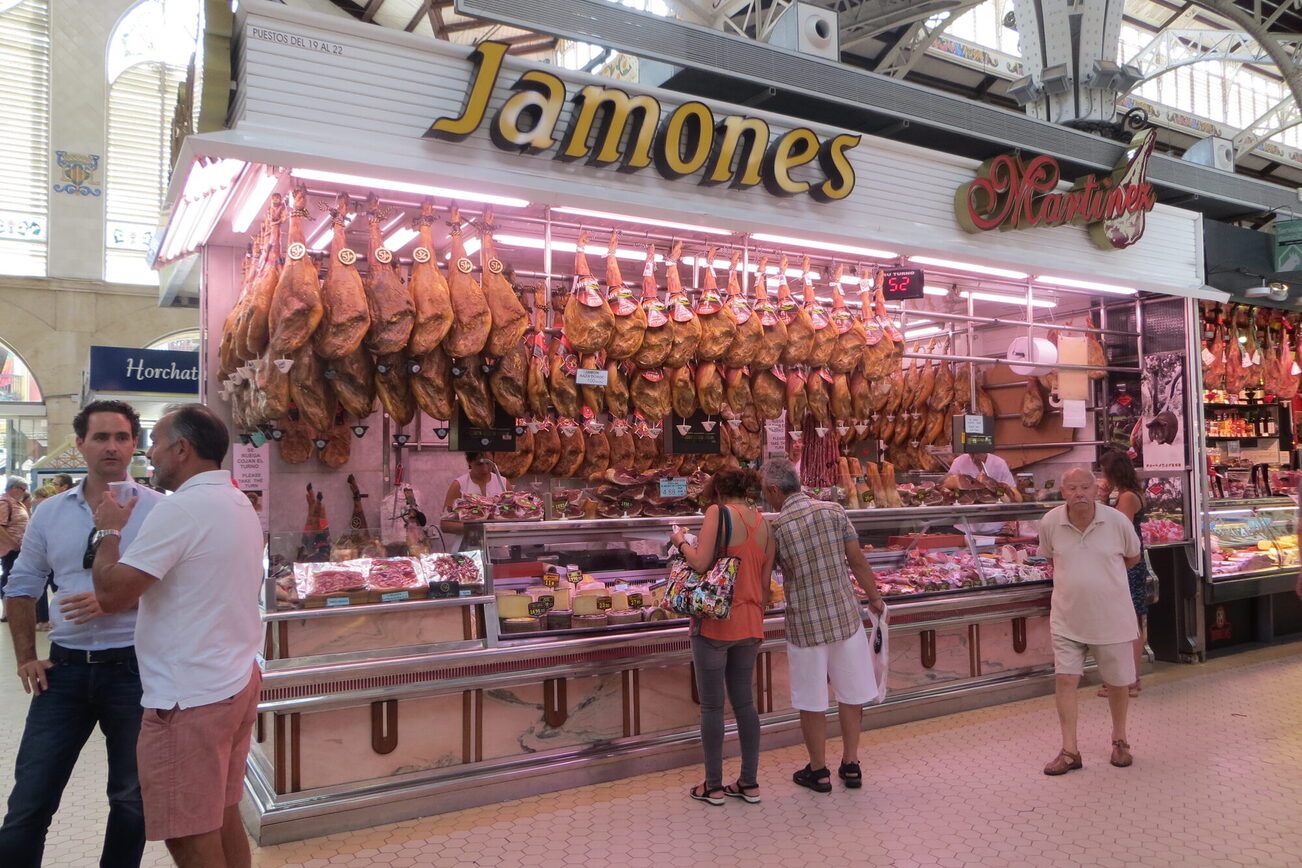
What could be better for fortifying yourself than the famous paella? This dish owes its name to the flat, circular pan in which it is prepared. Paella Valenciana is a special delicacy and, it is said, the best of all paellas. Thanks to its proximity to the coast, Valencia is also a great place to enjoy delicious and varied fish dishes. Air-dried Serrano ham, made from
lean meat with a mild aromatic note, is not a typical specialty of Valencia. Nevertheless, it can be bought everywhere here, and in the Mercado Central, the rows of huge hams hanging from the ceiling make for an impressive sight. Tapas, the small and varied appetizers, can also be ordered in countless bars and restaurants.
Recreation and leisure
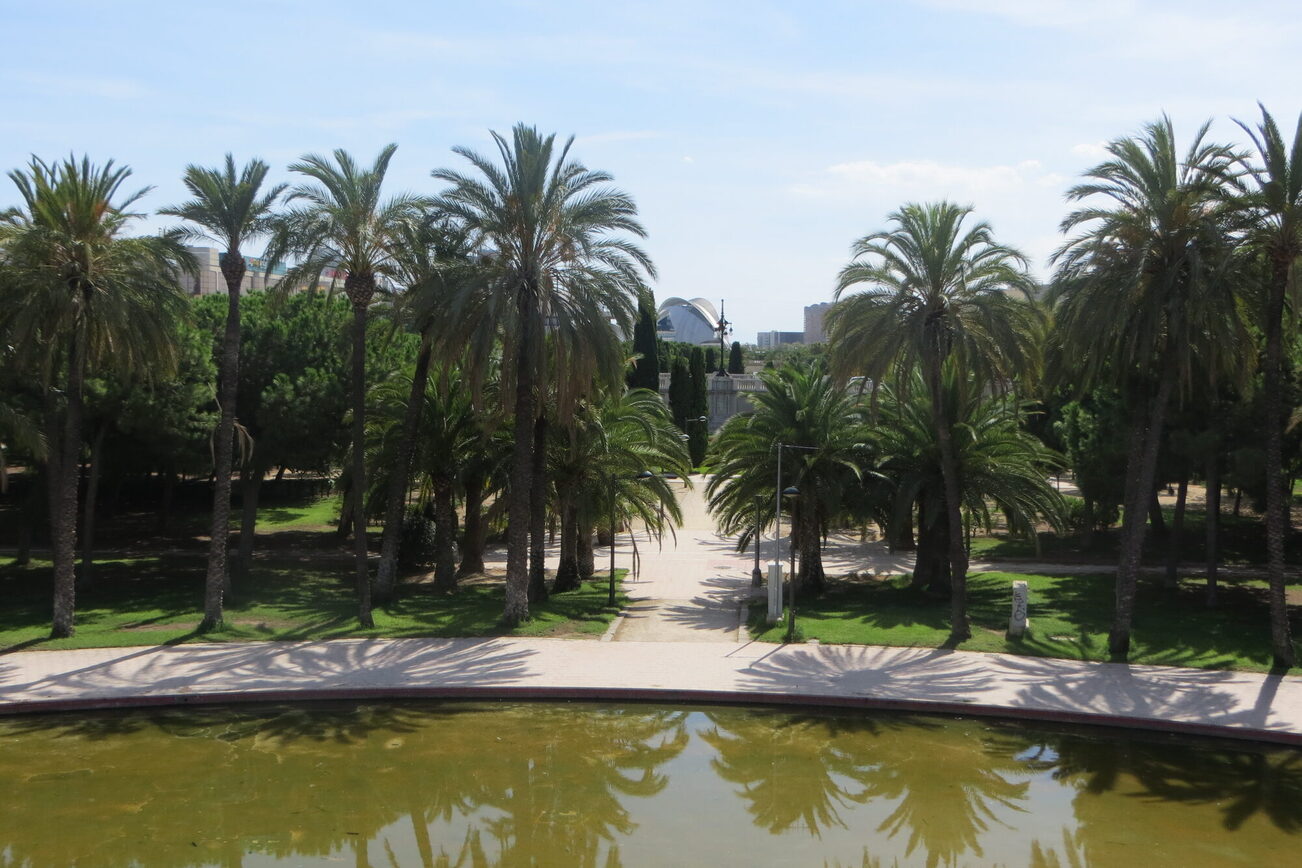
A characteristic feature of Valencia's cityscape is the Turia Gardens, an extensive complex of parks, gardens, and sports facilities that surrounds the historic center in a semicircle more than seven kilometers long. This is also the location of Bioparc Valencia, a zoo that recreates the different habitats of animals from Africa, Asia, and America. The entire area was created in the former riverbed of the Turia, which flows through Valencia. After a devastating flood in 1957, the river was quickly diverted and now flows outside the city.
Valencia has a large number of public parks that offer opportunities for relaxing walks. The offerings range from lush 19th-century-style rose beds to extensive green spaces with fountains to botanical gardens with exotic trees and flowers. Particularly worth seeing is the Huerta, which has the appearance of a garden with its carefully cultivated fields and where, in addition to citrus fruits, beautiful flowers are grown for sale and export.
Those who want to engage in sporting activities in Valencia will find a wide range of options for sports such as golf, tennis, soccer, and even shooting. Of course, the many water sports that can be enjoyed extensively in special marinas are at the top of the list. Spectators are drawn to Valencia for various major sporting events, from the America's Cup sailing regatta to motorcycle racing and Formula 1.
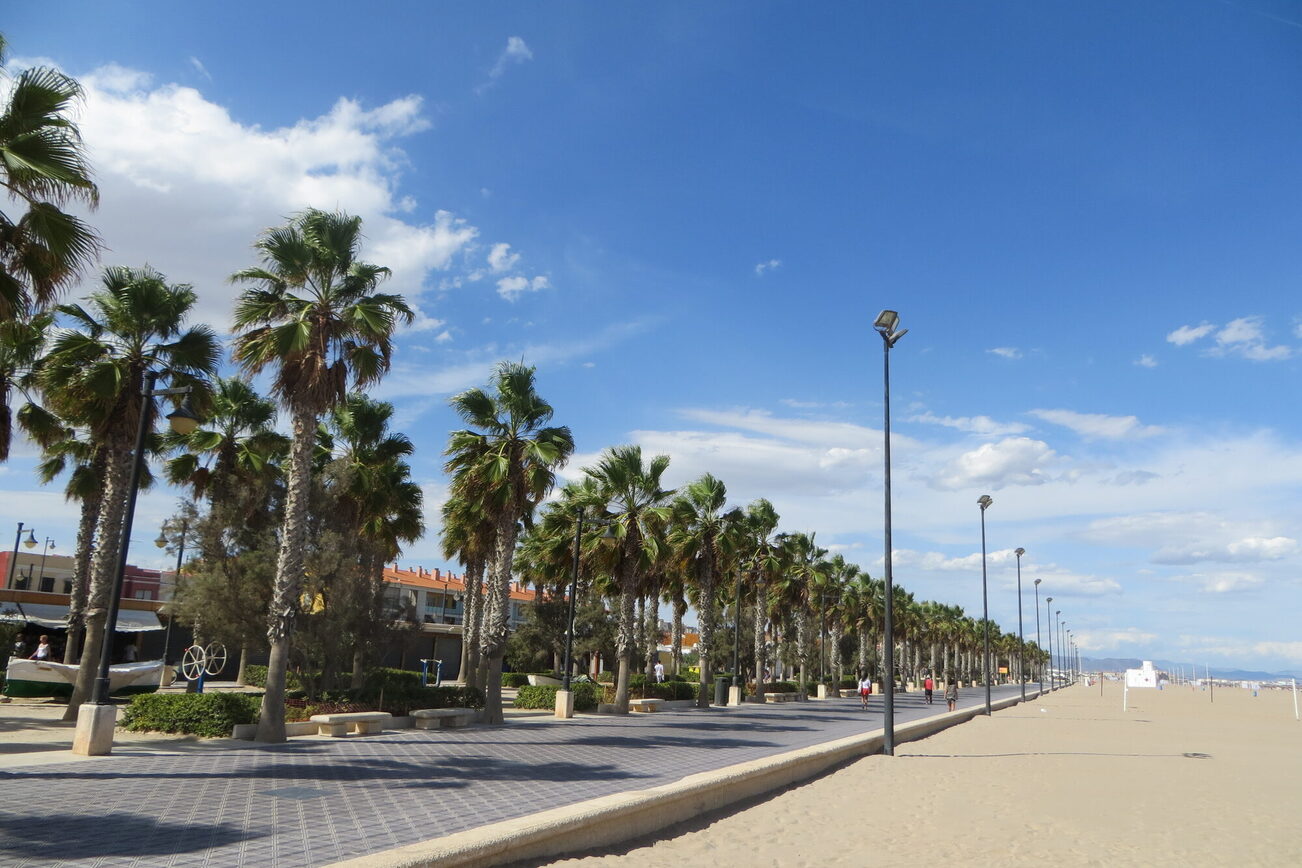
The miles of beaches on the Costa Blanca invite you to relax after all the activities. It's only a stone's throw from the city center to one of the sandy beaches. This makes it easy to combine culture and relaxation.
Those who still have energy left after the hustle and bustle of the day should not miss out on Valencia's nightlife. When the "Movida," the movement, is in full swing, Valencia shows its exuberant side: here you can easily dance the night away!
Excursion to the region
Between Valencia and Tarragona, the Costa Azahar, or Orange Blossom Coast, stretches for 120 kilometers and is home to most of Europe's citrus fruits. Visitors can learn more about orange cultivation, historical agricultural machinery, and the traditional clothing of orange pickers at the Museo de la Taronja, the Orange Museum, in the small town of Burriana, north of Valencia.
Also in the north of Valencia is Peniscola, a 54-meter-high peninsula with a beautiful old town and a castle. The Phoenicians already appreciated the charm of this place, and at the beginning of the 15th century, a pope even resided here: Benedict XIII, known as Pope Luna.
For nature lovers, the Valencia region is a true paradise—with trekking, climbing, and mountain biking tours in the Sierra d'Aitana, you can discover the foothills of the Baetic mountain range and enjoy the rugged landscape.
Twinning Mainz - Valencia
The partnership between Mainz and Valencia was marked by cultural ties from the very beginning. During a guest performance tour by the Mainz Theater—the ensemble performed Wagner's two operas "The Flying Dutchman" and "Tannhäuser"—the small Mainz delegation accompanying the tour, consisting of representatives from the city council and administration, established initial contacts with the city of Valencia.
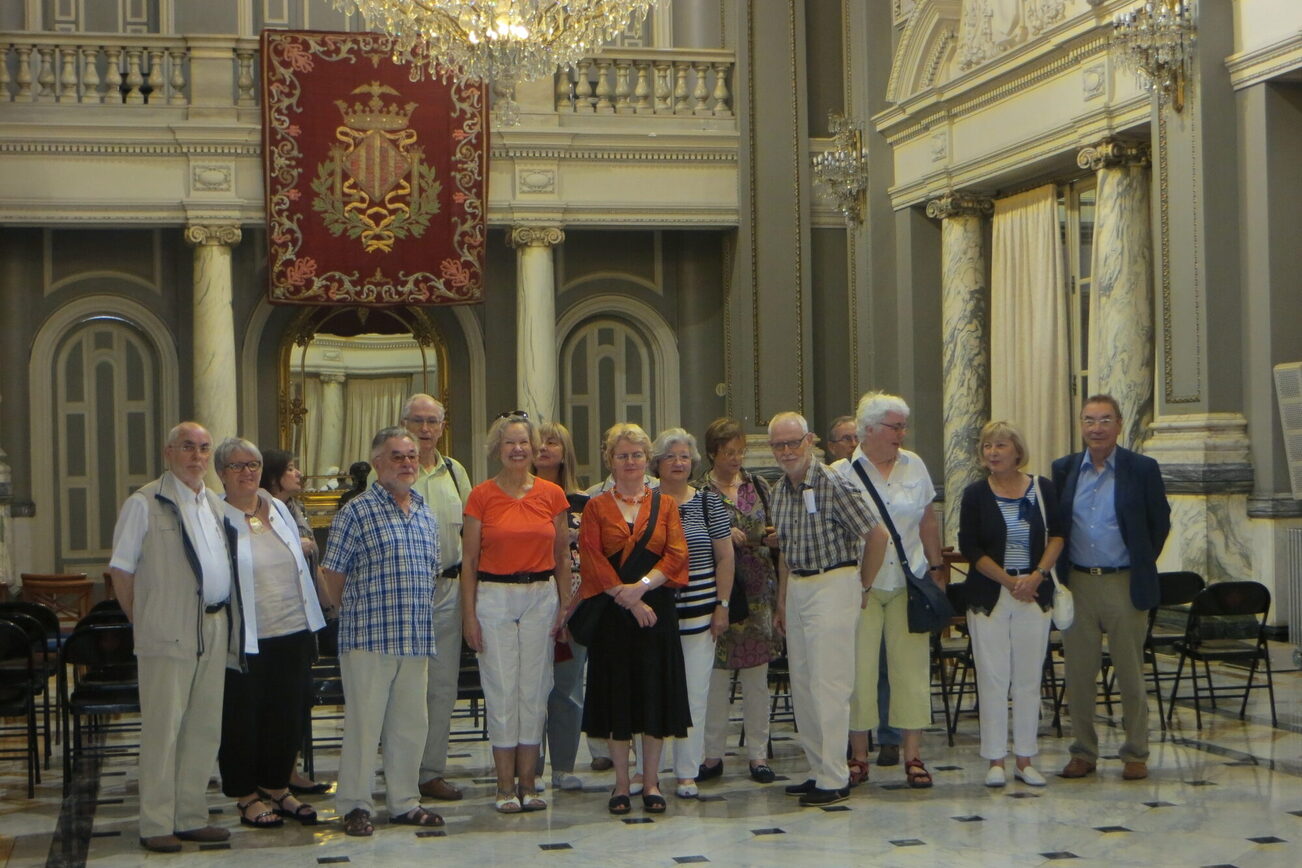
The foundation stone was laid, and cultural exchange soon intensified. On December 11, 1978, it became official: representatives from both cities signed the partnership agreement. This made Valencia the first Spanish city to enter into a partnership of this kind with a German city.
In the years that have passed since then, it is not only culture that has forged friendly ties. Citizens are also committed to bringing the partnership to life. On a private initiative, the Friendship Circle was founded in 1989 and renamed the German-Spanish Society Mainz-Valencia e.V. nine years later. It promotes both professional contacts between German and Spanish families and friendships on a private level.
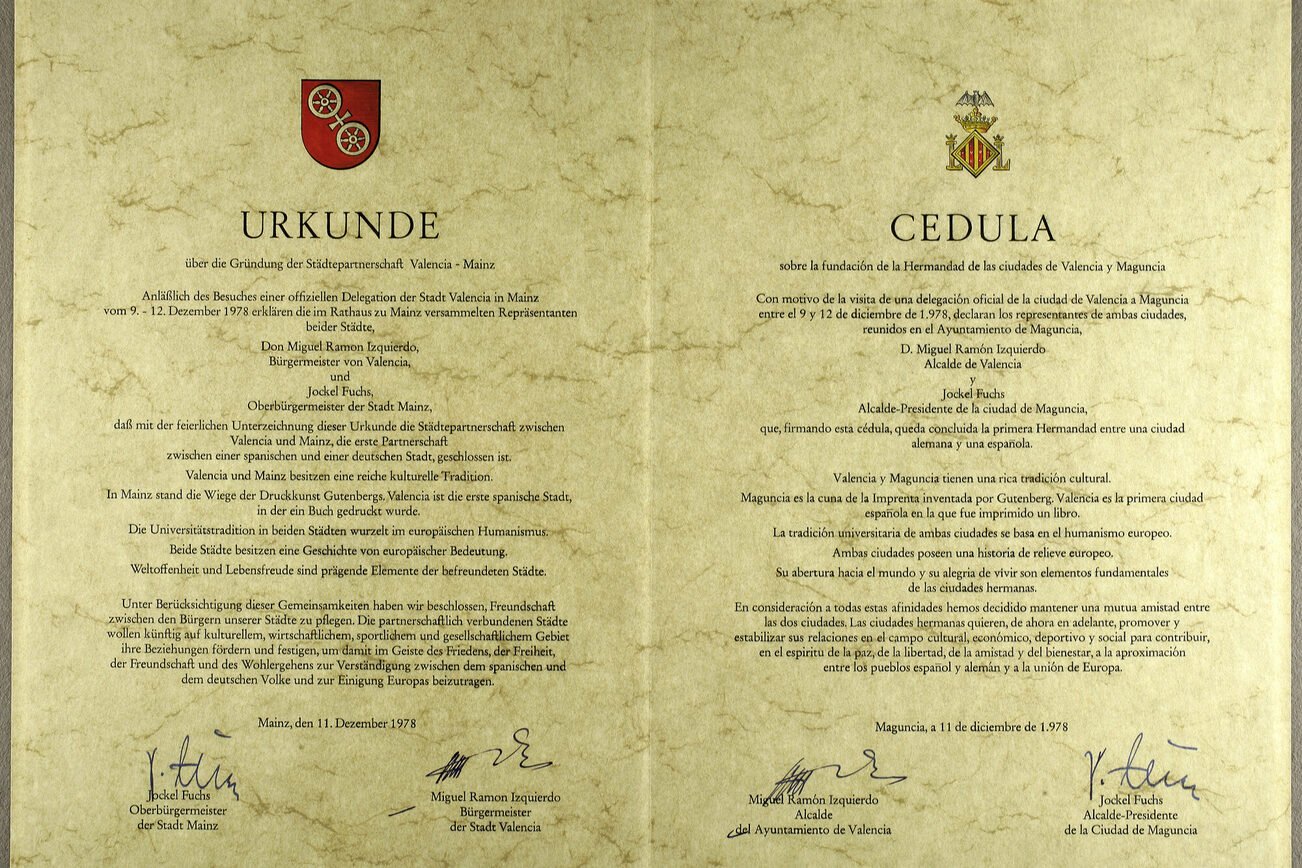
Despite the immense difference in size between the two cities – Valencia has more than four times as many inhabitants – Valencia and Mainz have many things in common: both cities were founded by the Romans and are thus shaped by their more than 2,000 years of history. The art of printing with movable type, invented by Johannes Gutenberg of Mainz in the 15th century, was also practiced for the first time on Spanish soil in Valencia by one of Gutenberg's imitators. The universities of both cities, which also have close ties, are also comparable.
40 years Mainz - Valencia
Mainz and Valencia celebrated 40 years of town twinning. Reason enough to strengthen the friendship once again. A delegation from Spain, including Deputy Mayor Sandra Gómez, visited Mainz at the end of 2017, and the Mainz delegation, led by Christopher Sitte, Head of Economic Affairs, made a return visit in spring 2018.
A gift of friendship took pride of place on the Rhine during Mainz's Johannisnacht festival from June 22 to 25, 2018: a "falla" from Valencia greeted visitors to the festival. On the Monday evening of Mainz's Johannisnacht, the falla went up in flames as planned before the fireworks display. Valencia also provided culinary delights: with Paella Valenciana from large paella pans on Jockel-Fuchs-Platz (sold for a good cause, cost: 5 euros/portion in aid of the Förderverein für Tumor- und Leukämiekranke Kinder in Mainz e.V. [Support Association for Children with Cancer and Leukemia in Mainz]). During Mainz's Johannisnacht, Deputy Mayor Sandra Gómez López was also in Mainz with a delegation that included the Fallera Mayor.
On November 23, 2018, the official ceremony to mark the anniversary of the partnership took place in Valencia. A delegation from Mainz led by Christopher Sitte, head of the city's economic affairs department, who represented the mayor, took part in the ceremony.