
Shopping without packaging
Environmental tip from the Mainzer Umweltladen
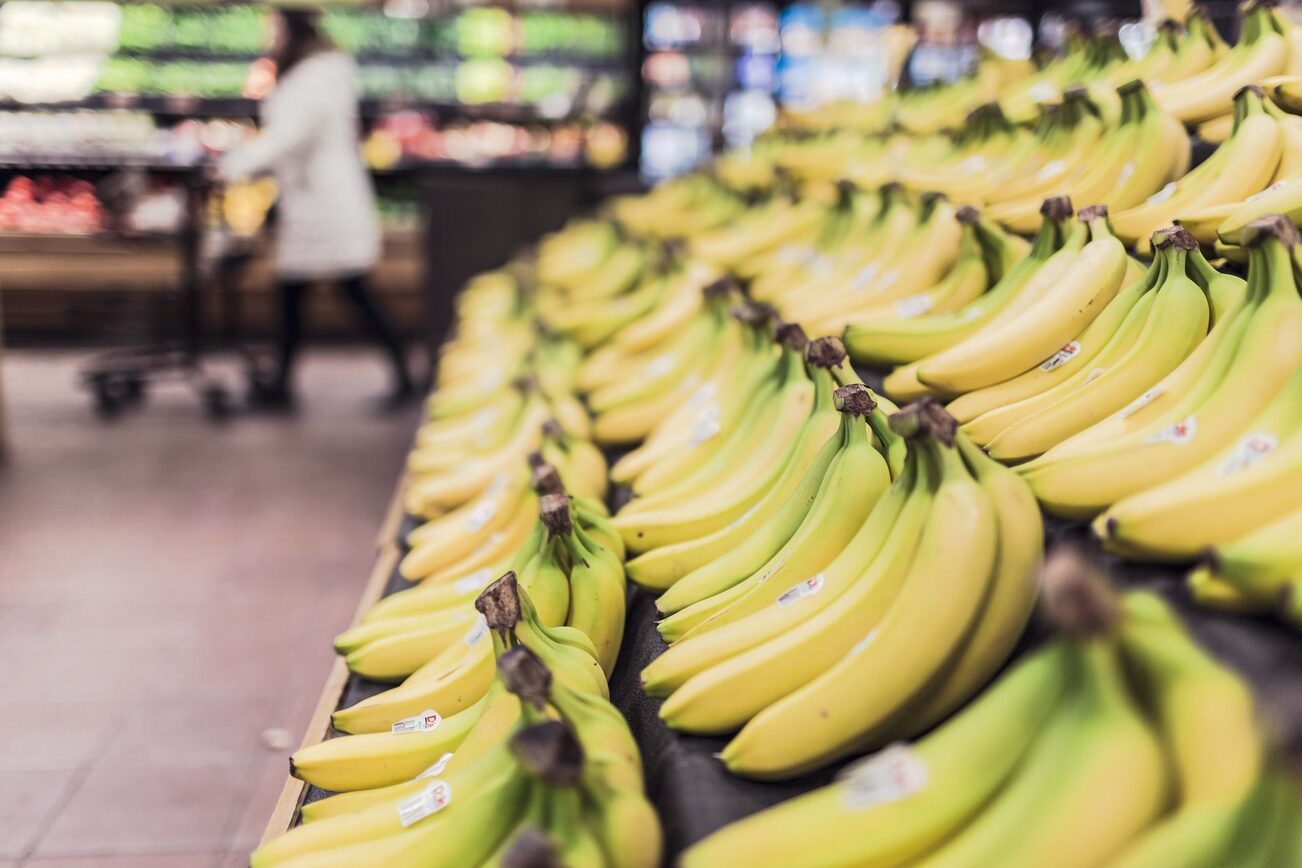
The problem of packaging waste
According to the report by the German Federal Environment Agency (UBA) on the volume and recycling of packaging in Germany, per capita packaging waste amounts to 220.5 kg per year (press release 20/2018). The recycling rate varies depending on the type of packaging. It is comparatively high for glass (85.5%), paper/cardboard (88.7%), aluminum (87.9%), and steel (92.1%). However, there is still a lot of potential for plastics (49.7%) and wood (26%). Plastic packaging in particular is difficult to sort and recycle due to the variety of materials used.
There are many reasons why packaging consumption remains high. One example is the additional functions of packaging, such as dosing aids or complex closures. These require more material and make recycling more difficult. In addition, smaller portions are preferred to large packages, online orders with shipping are on the rise, and out-of-home consumption such as pizza or coffee-to-go are universally popular.
For retailers, packaging offers logistical advantages in terms of transport and stacking. Customers are thus forced to buy more than they planned, and checkout is faster because there is no need to weigh items. Hygiene, freshness, and product protection are also cited as arguments in favor of packaging.
The trend toward unpackaged shopping
They are called "Ohne Gedöns," "Unverpacktes Glück," "Grammgenau," "Losgelöst," "Der Sache wegen," or, as in Mainz, "Unverpackt Mainz." We are talking about unpackaged stores, which now exist in almost every major city—and the trend is growing. The pioneer of this trend was the Canadian retail chain Bulk Barn, which opened its first store back in 1982 and now operates 250 stores with more than 4,000 products. It was not until 2014 that the first packaging-free store in Germany opened in Kiel.
Here's how it works: Customers bring their own bags, cups, and bowls, or the goods are offered in reusable containers. Customers' own containers are weighed before shopping and then filled.
At least in the fruit and vegetable sector, even large companies are no longer ignoring this trend. Even discounters such as Aldi and Lidl are currently developing unpackaged concepts. In April, REWE launched a pilot project in 600 Rewe and Nahkauf supermarkets in Saarland, Rhineland-Palatinate, and Baden-Württemberg and announced that it would "largely dispense with plastic packaging or use more environmentally friendly packaging" for organic fruit and vegetables (source: www.welt.de, 01.04.19).
You too can reduce packaging when shopping with the following tips.
Tips for shopping without packaging
- Avoid spontaneous purchases and plan your shopping instead. This makes it easier to do without plastic bags, for example. A weekly plan will help you organize your shopping better.
- Always carry reusable bags and containers with you (in your backpack, on your bike, in your car). Many supermarkets now allow you to fill your own containers. Just ask!
- Shop at supermarkets with fresh food counters, regional producers near your home, zero-waste stores, or the market. Regional suppliers who deliver their products unpackaged to your home are also an alternative.
- If possible, choose returnable bottles for milk, cream, yogurt, etc.
- Choose glass or cardboard over plastic or Tetra Pak. The latter are made of composite materials and are more difficult to recycle.
- Reuse packaging (e.g., screw-top jars, paper bags).
- Leave packaging in the store and talk to your retailer about your desire for unpackaged goods.
Further information:
Contact us
Address
Environmental store
Mainzer Umweltladen
Steingasse 3
55116 Mainz