Pioneers of sustainability
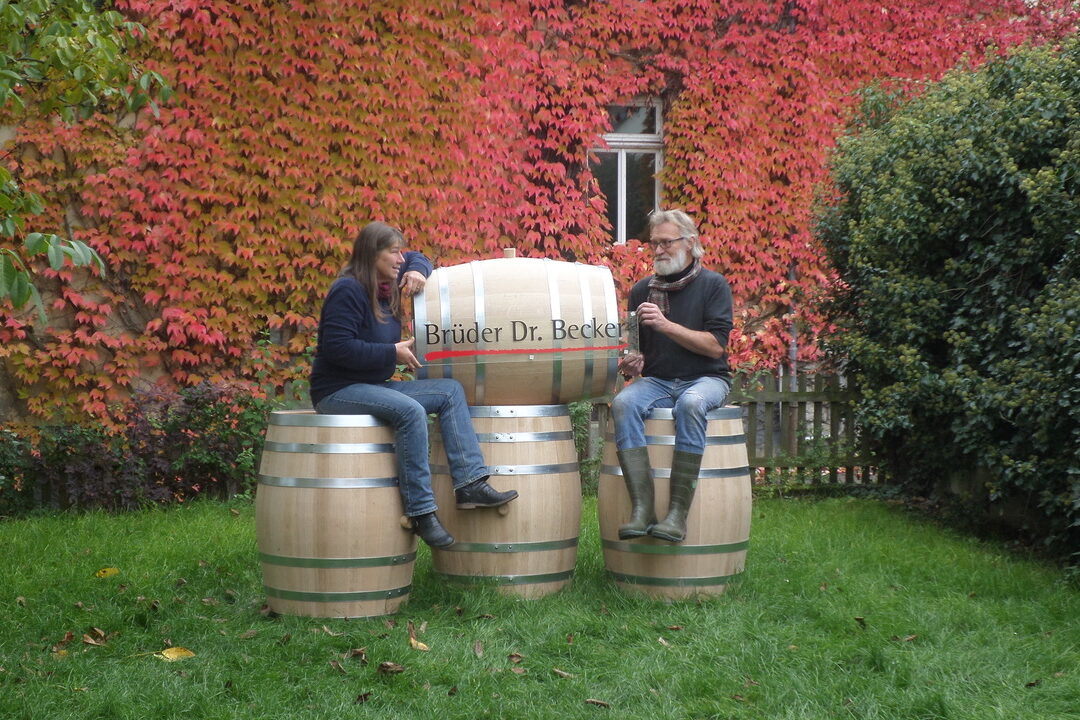
Nowadays, there is hardly a winery that does not use the term "sustainability" in its self-description: sustainability in the vineyard, in the cellar during wine production, in the energy supply of the winery buildings, and in shipping. At the beginning of the 1980s, things were very different: Lotte Pfeffer was studying viticulture and oenology at the renowned Geisenheim University. "Organic viticulture was not taught at the time – the topic of organic wine was ridiculed!" she recalls.
Her parents had already started organic viticulture in 1978 – the Brüder Dr. Becker winery is the first certified organic winery in the Association of German Prädikat Wine Estates. At that time, the saying was: "Organic has no customers, only sympathizers!" Today, the topic has reached the mainstream and organic wines are meeting the tastes of customers.
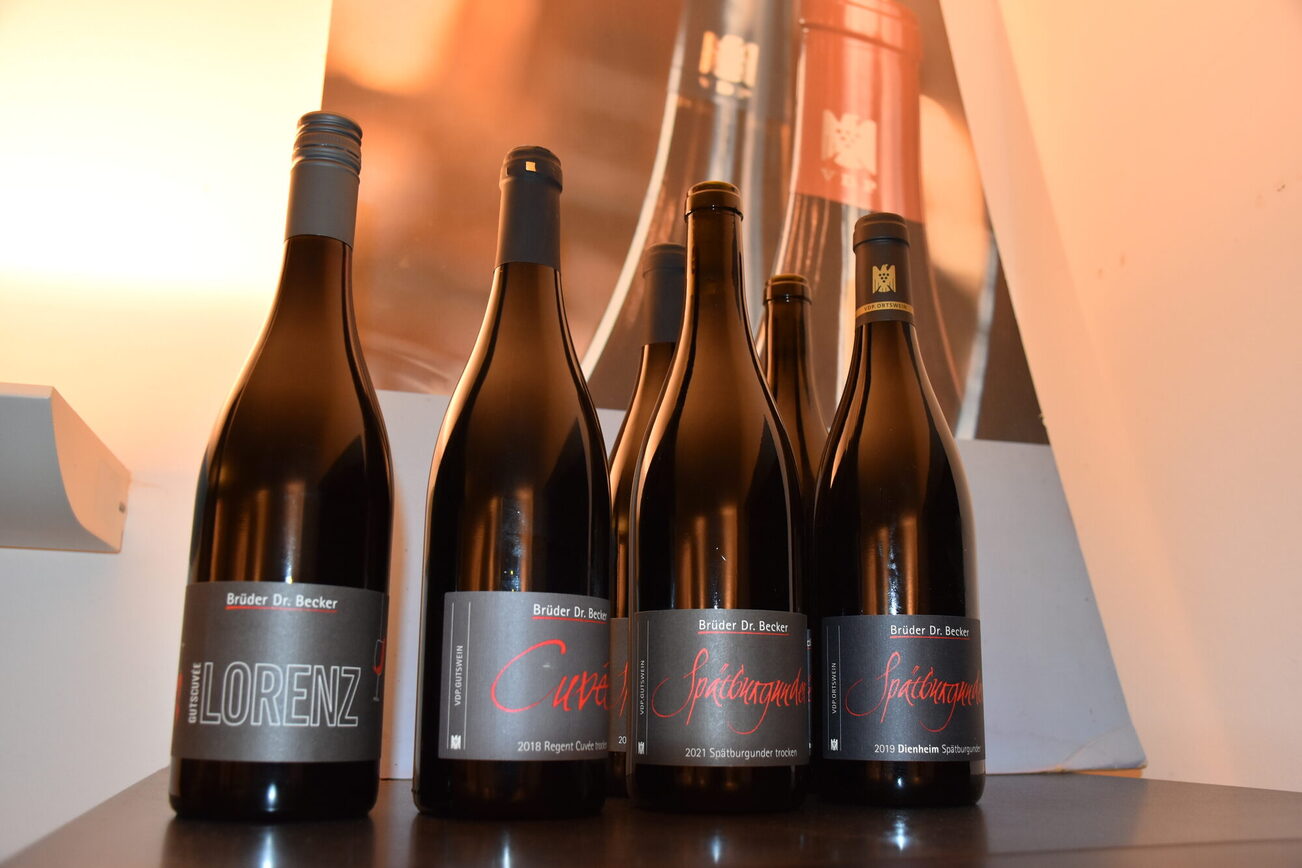
Lotte Pfeffer-Müller and her husband Hans Müller continue to focus on organic innovation today: in addition to the classic grape varieties Riesling, Silvaner Scheurebe, Müller-Thurgau, and Pinot Noir, they also grow the fungus-resistant varieties Regent and Souvignier gris.
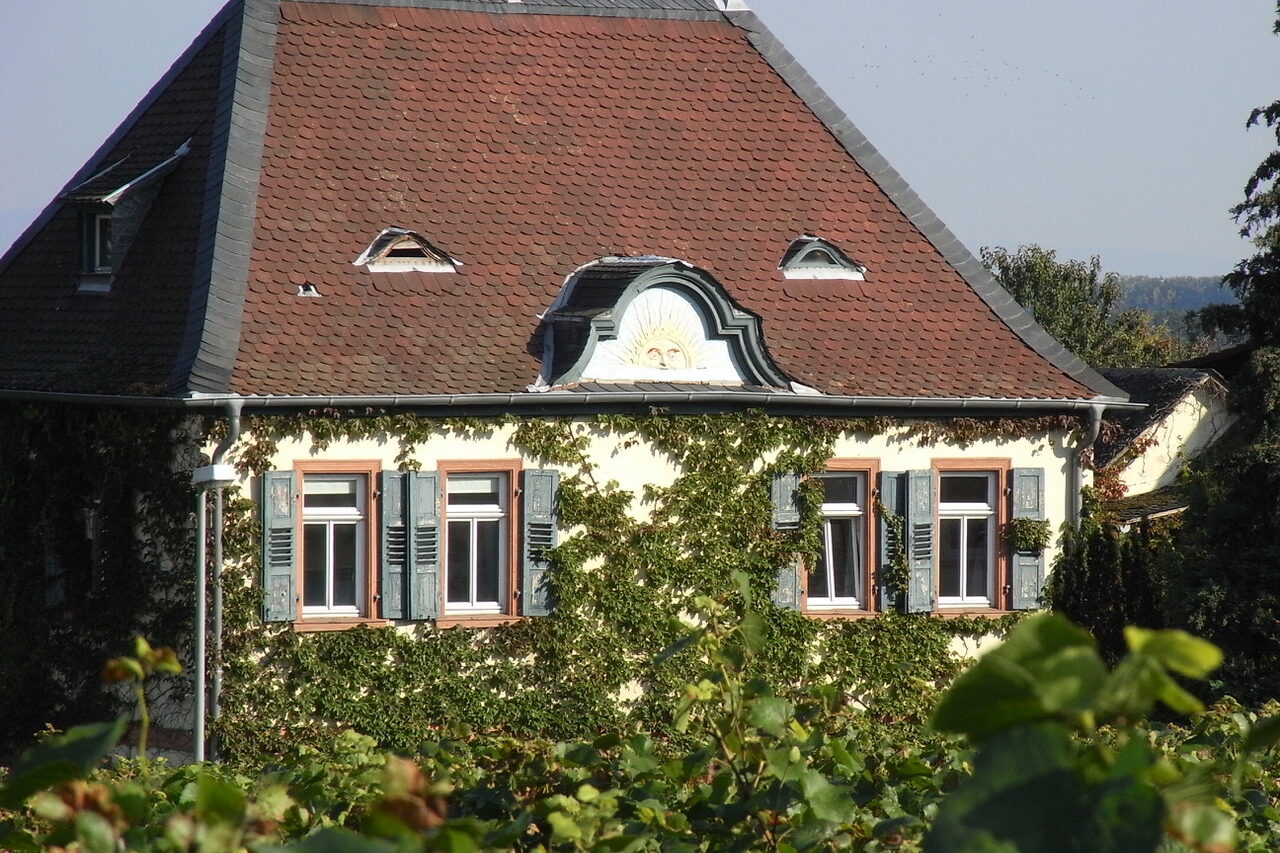
"On the heights and on the windy terrace, the conditions are acceptable for classic varieties—but in the Rhine valley, we need the Piwi varieties," explains Lotte Pfeffer-Müller. No vineyard is more than two kilometers away from the winery—short distances are also part of sustainability. The same applies to the solar panels on the roof, the swallow nests on the wall, the ecological balance of the labels, and the weight of the glass bottles: "I want the lightest bottle there is: not 600 grams—more like 380 grams!" says the passionate winemaker.
At this winery, every detail is scrutinized, and sustainability is an ongoing process. Wine production is also constantly evolving: exciting natural wines in the new PURE style are currently setting the trend. The wines are fully fermented and bottled unfiltered. Scheurebe, Riesling, and Pinot Noir "pure" – unusual, intense taste experiences await you at the tasting. The same applies to the "orange" wines Silvaner and Souvignier gris: the white wine grapes are fermented on the mash like red wine, developing an intense color and taste experience.
The winery's experimental wines are currently very popular in Berlin restaurants. During hikes through the Rheinhessen vineyards, Hans Müller explains to wine tourists what sustainability means and how it feels. "This is what spring tastes like, this is what it looks like outside!" he shows his guests out in nature. What is currently growing between the vines? If you don't use pesticides, what does mechanical "under-vine cultivation" look like? With all this, organic farms also have to work in line with market demands – not always an easy task. But when you sit with Lotte Pfeffer-Müller and Hans Müller at the big estate wine tasting with a glass of wine while eating under the walnut tree, you can taste in your glass that sustainability is always worthwhile in terms of taste.
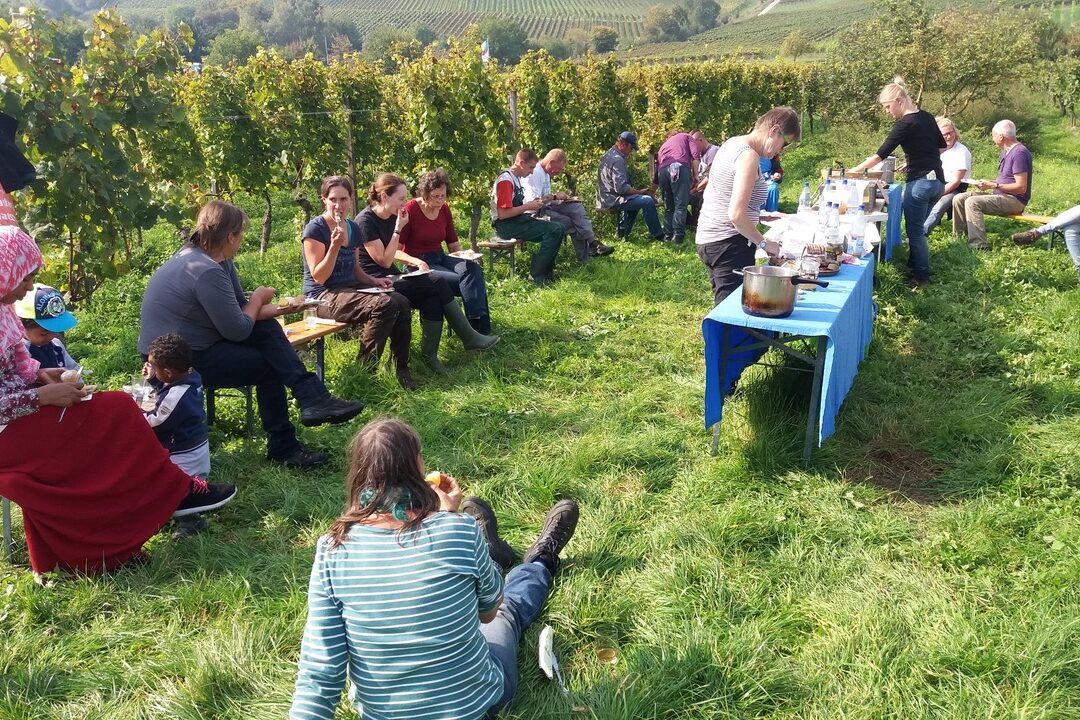
The Great Wine Capitals Best of Wine Tourism Award 2023 in the category "Sustainability in Wine Tourism" goes to the "Weingut Brüder Dr. Becker, Ludwigshöhe" winery. The jury was thoroughly impressed by the winery's decades of commitment to organic viticulture and its consistent implementation.
About the blogger
TV and wine journalist Wolfgang Junglas works for SWR television in Mainz in the entertainment department, where he is responsible for programs such as "Wahl der Deutschen Weinkönigin" (German Wine Queen Pageant). He is an author, chairman of Weinfeder eV, president of FIJEV, and lecturer at Geisenheim University—and, since 2021, blogger for GWC Mainz | Rheinhessen.
- To the English version of the blog about the Dr. Becker Brothers winery on the Great Wine Capitals website (opens in a new tab)
- Go to page Best Of Wine Tourism Award 2023, Winner Sustainability in Wine Tourism, Weingut Brüder Dr. becker
Short portrait with video
- To the website of the Dr. Becker Brothers Winery (opens in a new tab)