Hidden water
Environmental tip from the Mainzer Umweltladen
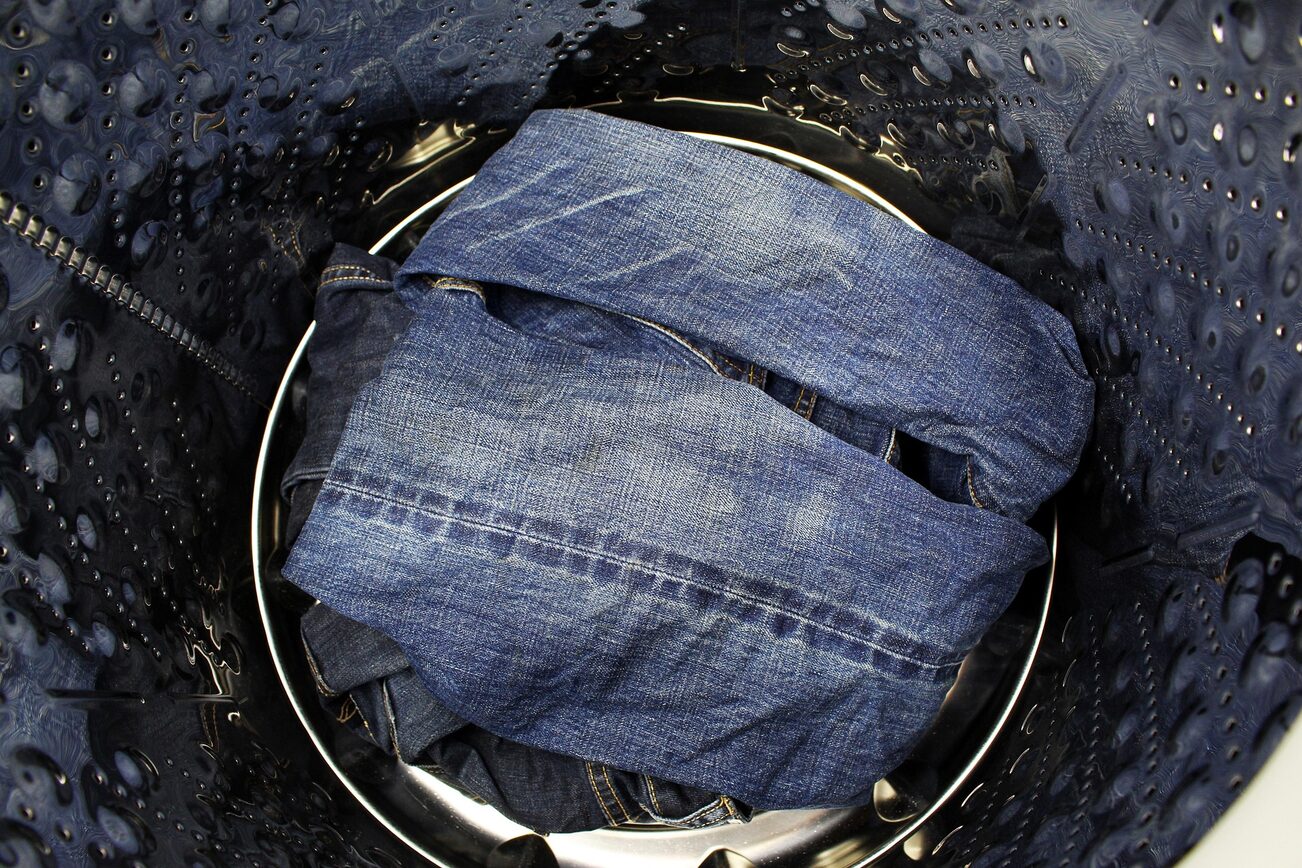
Hard to believe: a single cotton T-shirt contains around 3,000 liters of water. That's how much is needed for the entire production process—from growing the plants to manufacturing the T-shirt.
These invisible quantities of water contained in all foods and products are colloquially referred to as "hidden water." The technical term is "virtual water."
Hidden water is the amount of water used to produce a product (water pollution also counts as consumption). The balance sheet also includes water consumption that is not immediately apparent. In the production of beef, for example, this includes not only the animals' drinking water consumption, but also the irrigation of feed crops.
Whether it's biofuel from South America, tomatoes from Spain, or cotton from Pakistan, goods that require a lot of water to produce are often imported from countries where water is scarce.
The calculations of hidden water quantities aim to promote more economical water consumption in the future and raise awareness that water-intensive and export-oriented agricultural use in arid countries is ecologically questionable.
The question of hidden water is therefore always a critical question about our own lifestyle.
If we convert the hidden water volume to an individual level and add it to the total daily consumption of a German, we obtain the true water consumption.
Although Germans use their domestic tap water quite sparingly and only need 130 liters per day for washing, cooking, and drinking, the true water consumption is more than 4,000 liters per person per day. If we extrapolate this value to all Germans, we get Germany's so-called water footprint. This amounts to 159.5 billion cubic meters – as much as three times the annual volume of Lake Constance.
A special feature of hidden water is that products are not usually used where they were produced. According to a study by the WWF, Germany imports 79.5 billion cubic meters of water per year via foreign goods (compared to Sweden: 9.7 billion cubic meters). The water is contained in agricultural products such as coffee, cocoa, beef, and pork from Brazil, Ivory Coast, France, and Spain. In this way, Germany indirectly taps into the water resources of water-scarce countries.
What can you do?
- Use recycled paper. The paper recycling process requires far less water than the production of so-called virgin fiber paper.
- Buy seasonal and regional produce. Vegetables or fruit that are actually native to our region but are grown in the warm south generally consume more water, which is also scarcer there than here.
- Buy organic products. Food from organic farming pollutes water less than conventionally produced products. Organic farming does not use chemical synthetic pesticides, mineral fertilizers, and far fewer conventional medicines (e.g., antibiotics).
- Eat less meat. Vegetarians need an average of only 1,500 liters of hidden water per day. This is only intended to encourage people to reduce their meat consumption; no one should be persuaded to become a vegetarian.
- Buy "fair." Fair trade goods (e.g., coffee or textiles) are not only produced in a more resource-efficient manner, but direct support for farmers in arid countries also improves their access to water. For example, the money earned can be used to build wells.
- If possible, do not buy goods from countries with water shortages.
- Look for products that are durable and easy to recycle.
- Save water. Take showers instead of baths, don't leave the tap running, and use rainwater to water your garden.
Environmental tip for July 2010
More info
Contact us
Address
Environmental store
Mainzer Umweltladen
Steingasse 3
55116 Mainz